

The title of this photo essay is PhotoEssay itself. The project revolves around one central concept: back to basics. A traditional photo essay typically follows a specific theme, using a chronological sequence of images to convey a narrative and reflect the photographer's perspective. This project, however, takes a more literal approach. It explores the struggles of a semi-creative student attempting to create a photo essay. The twenty-one photographs are organised into an introduction, a main body, and a conclusion, with each image contributing to the unfolding narrative.
Technically, the photographs were created using the following specifications:
- 4-second exposure
- ISO 100
- High f-stop
- Tripod for stability
- Multiple light sources, including a torch, laser, coloured LEDs, and other lighting equipment
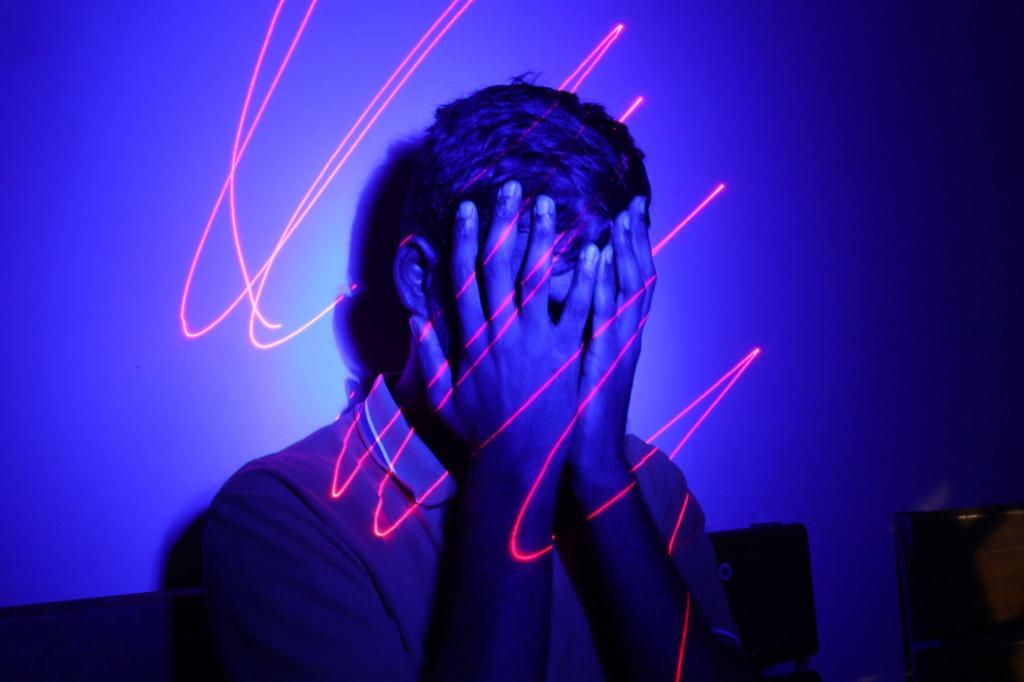
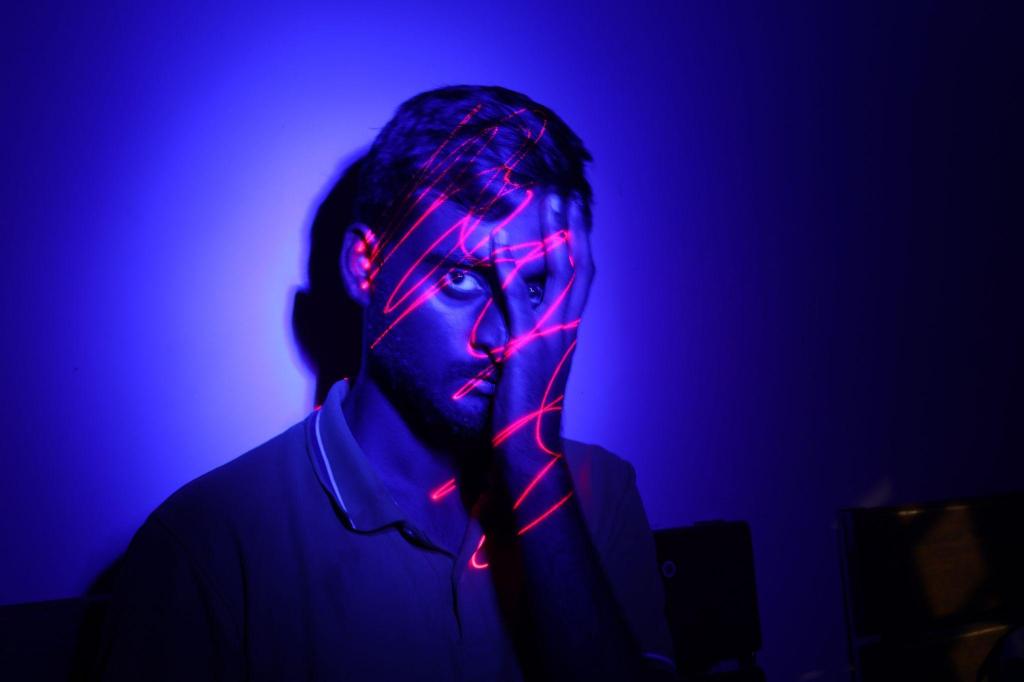
Che is a busy student (or so he likes to think). He is assigned plenty of time to complete a photo essay, but finds himself staring at a blank page a day before the final submission. Che is ashamed, hiding from his classmates. Scrunching his mind, he gets an idea. After all, he should just create a photo essay… How hard could it be?
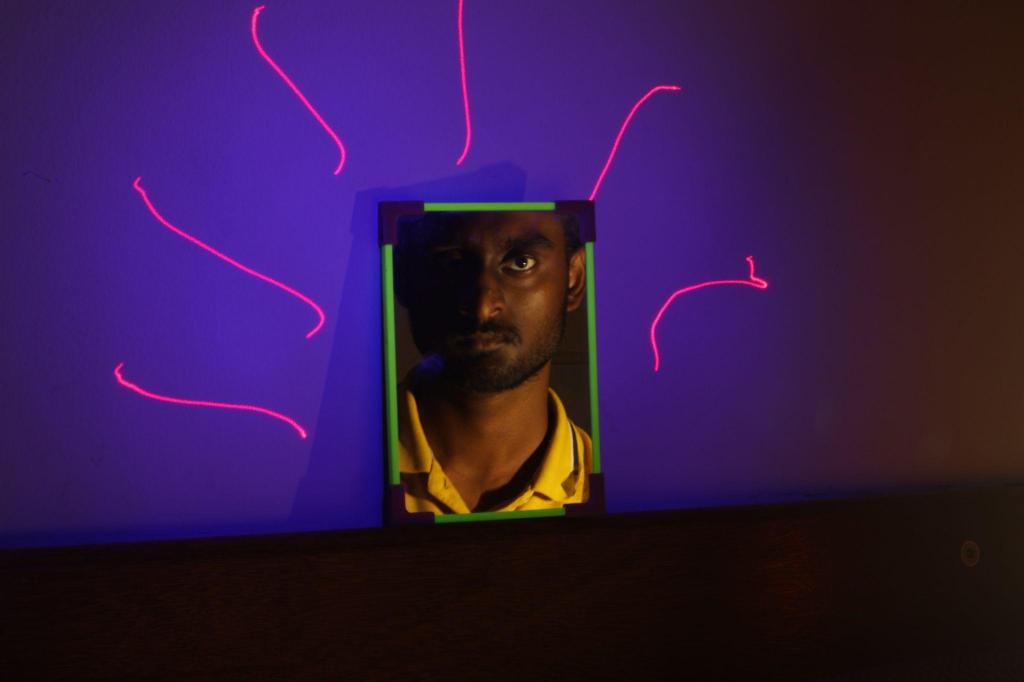
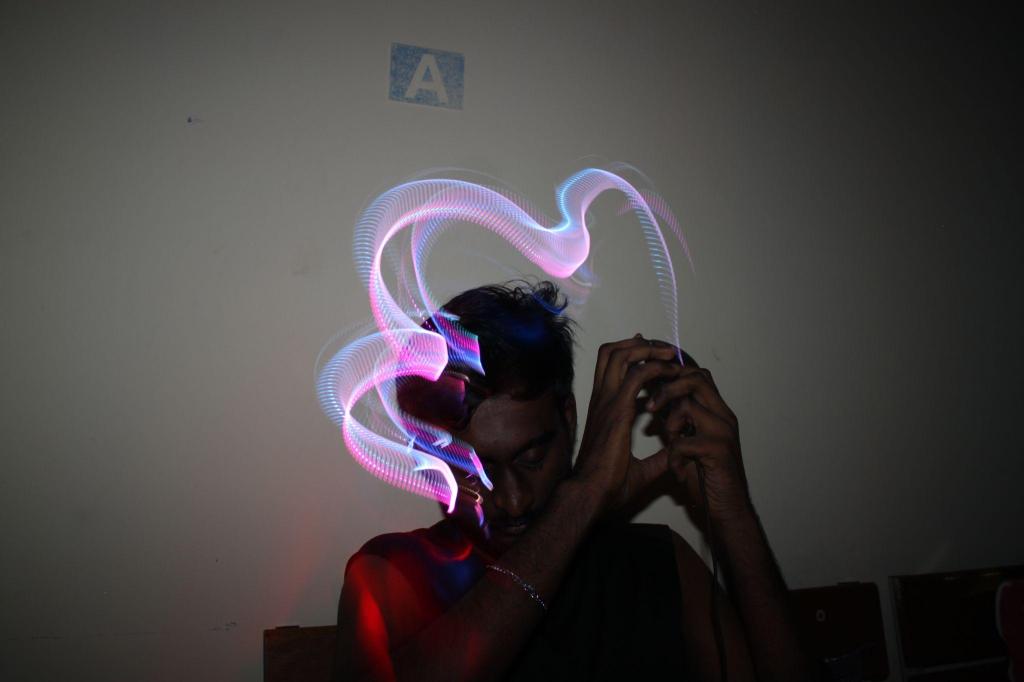
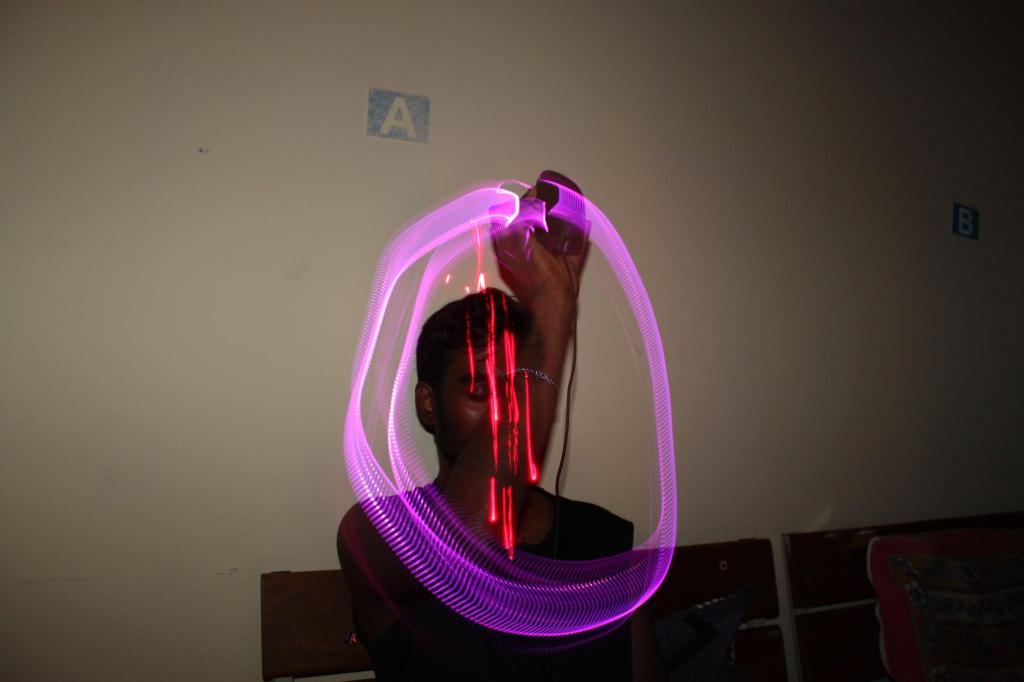
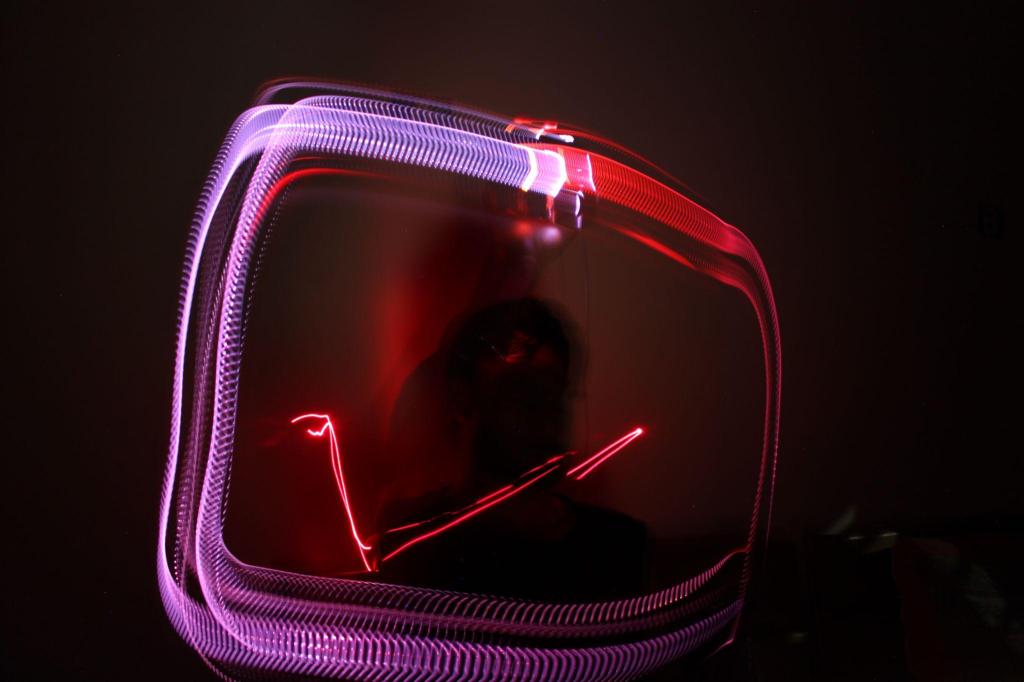
He tries to gather some scrambled thoughts about an unorthodox approach to this task, and slowly formulates a simple showcase—light paintings of the word ‘photo-essay’. Eleven characters. Eleven pictures. Innovative? Novel? Or was Che just delusional?
Nobody in his class is going about the essay in a literal manner. He argues with himself, trying to justify his lack of creativity with an anti-creative method, which mostly explores the long-exposure technique of photography paired with light painting.
He thinks it’s an abstract way of putting together related pictures that tell a story. “Letters make up words, and words make stories,” Che says.
Part 2 – Che starts to illustrate the photoessay
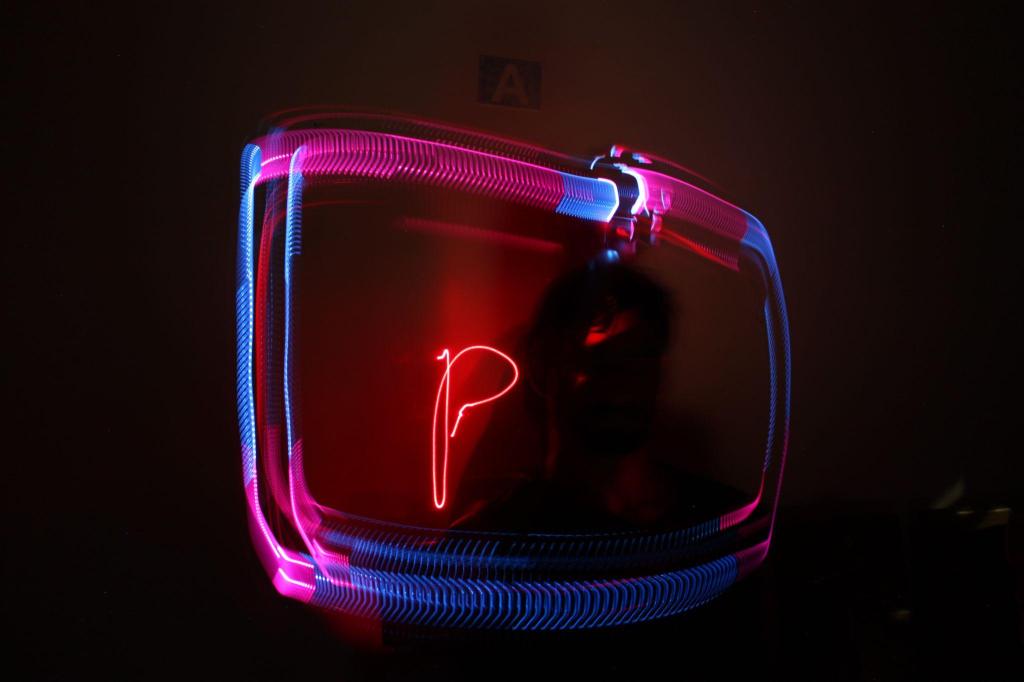
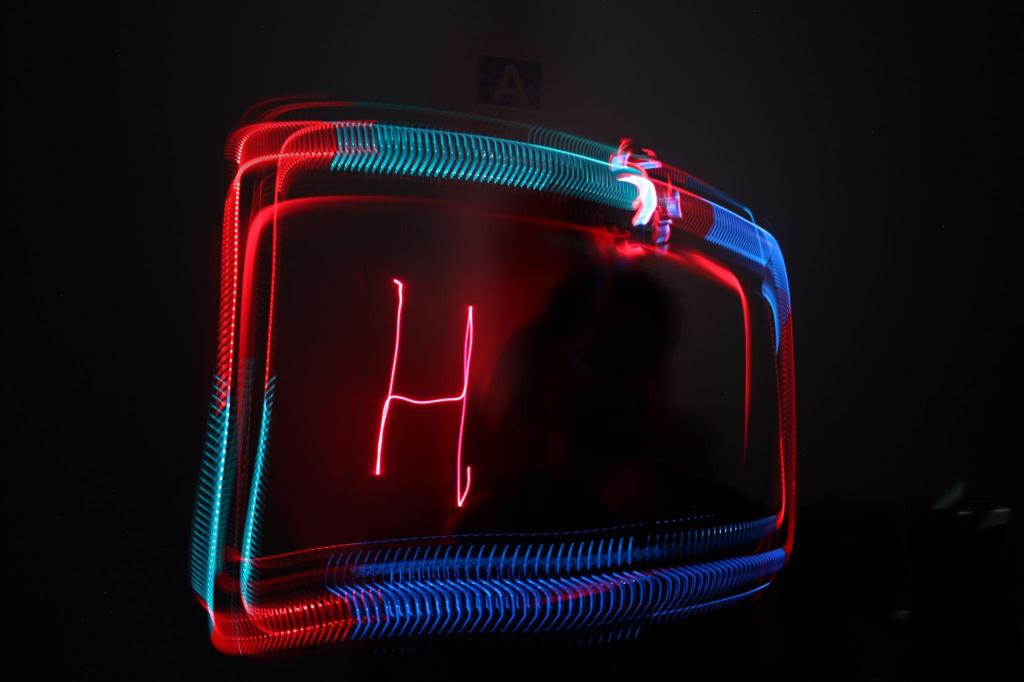
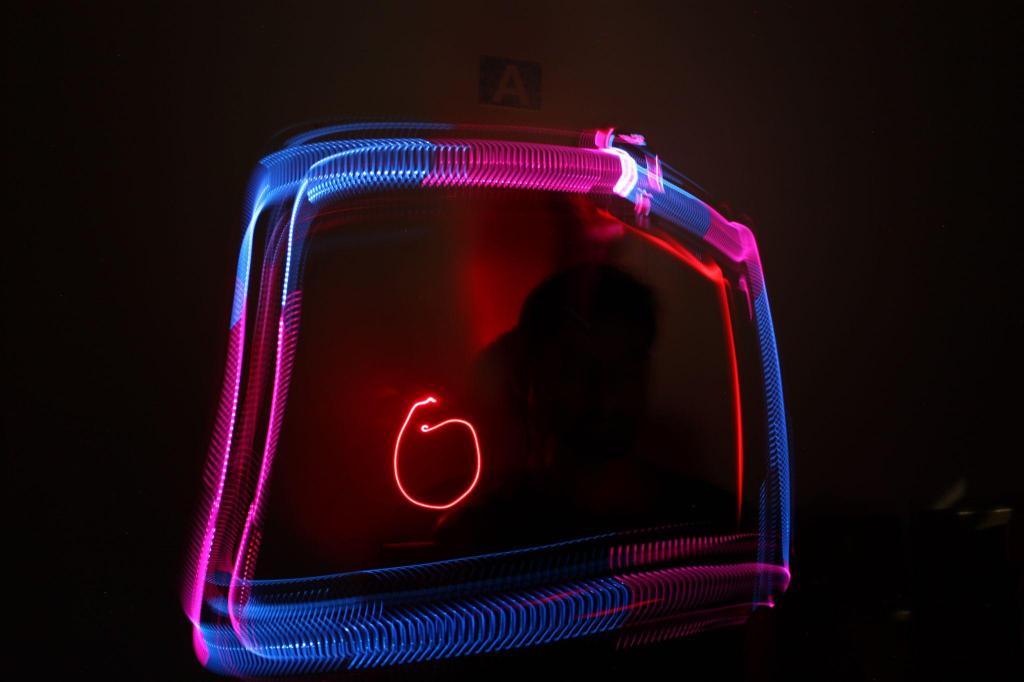
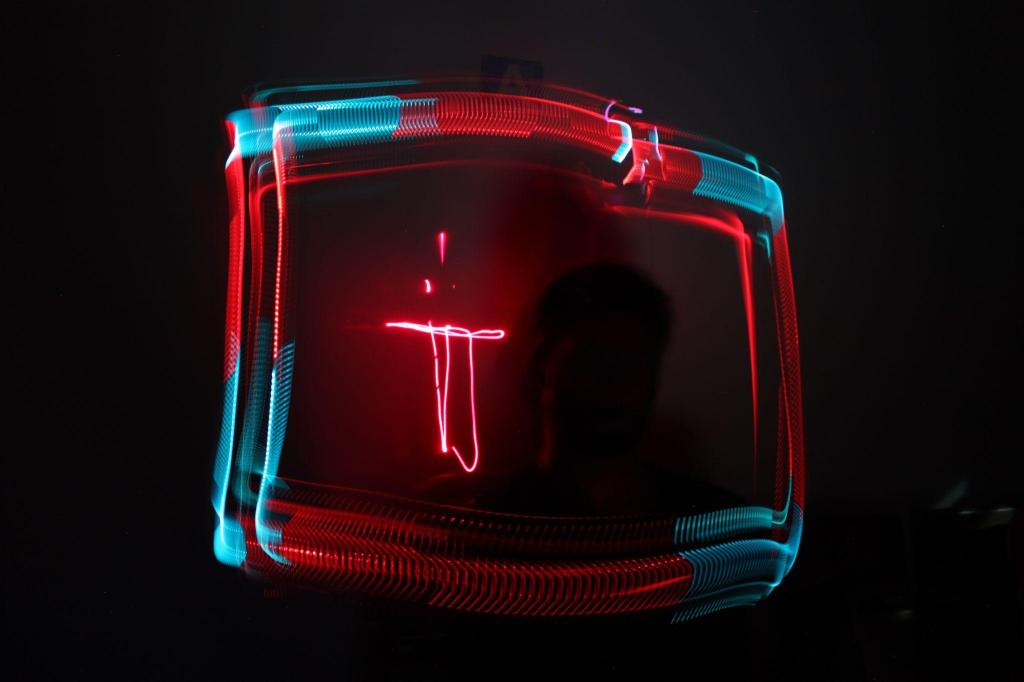
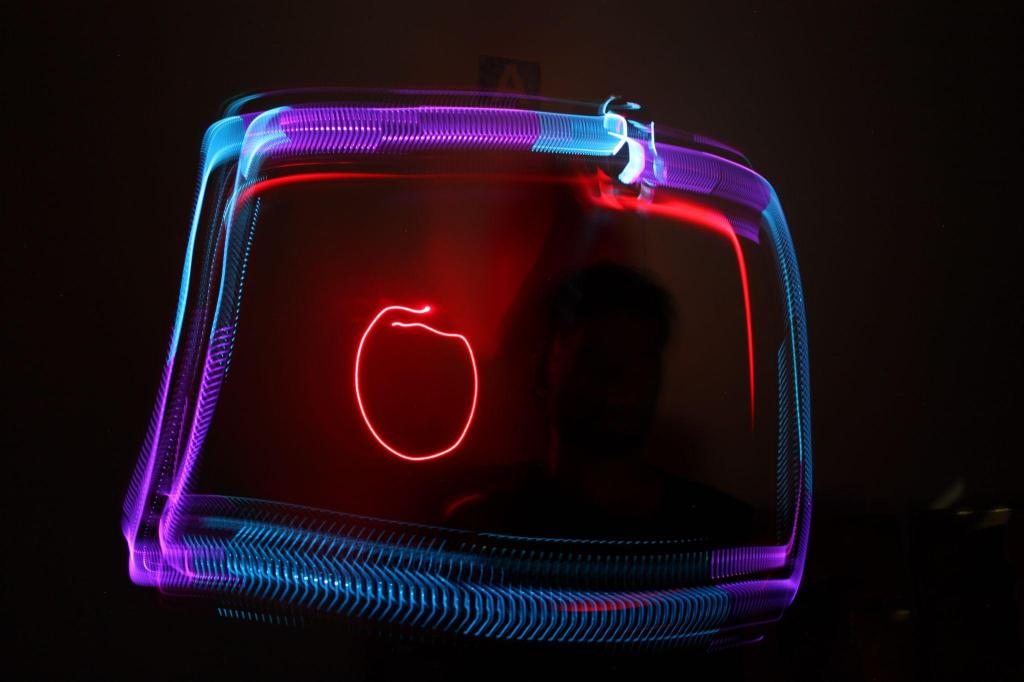
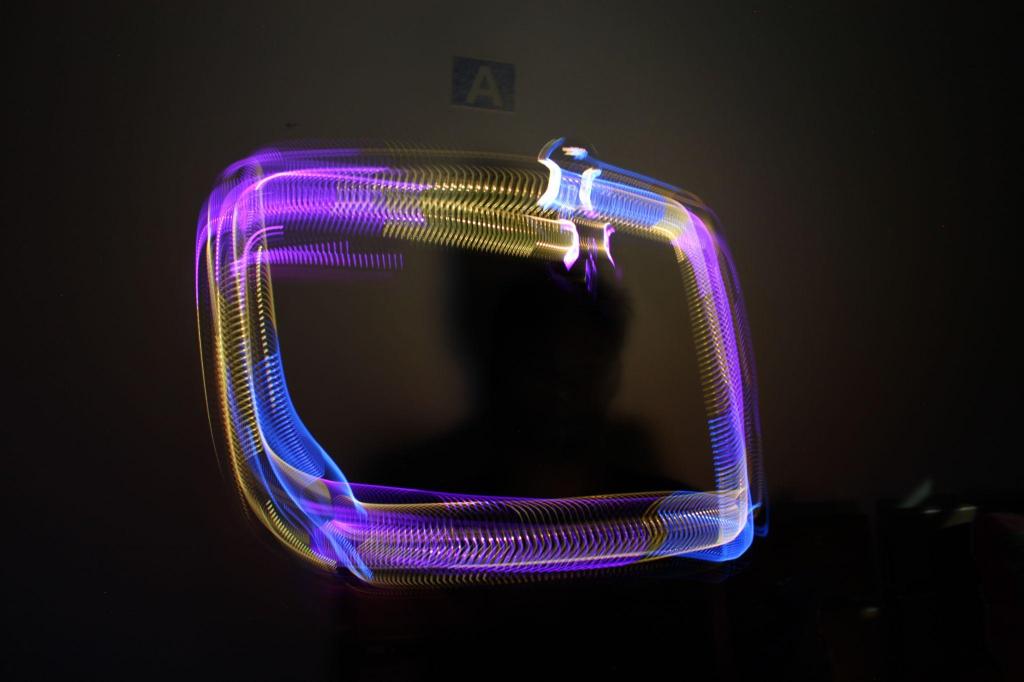
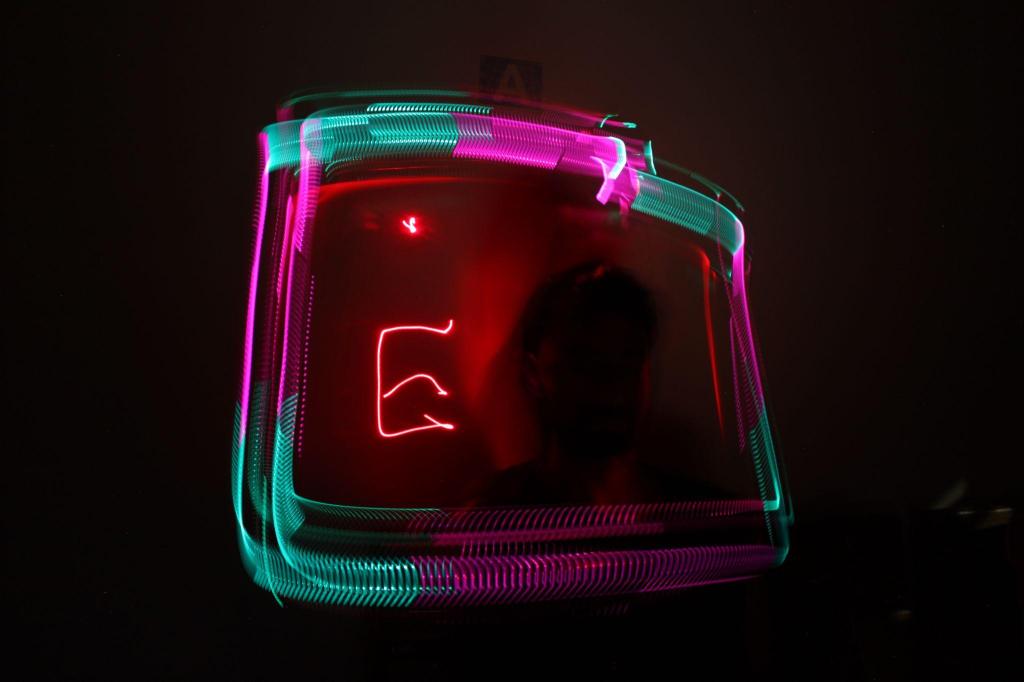
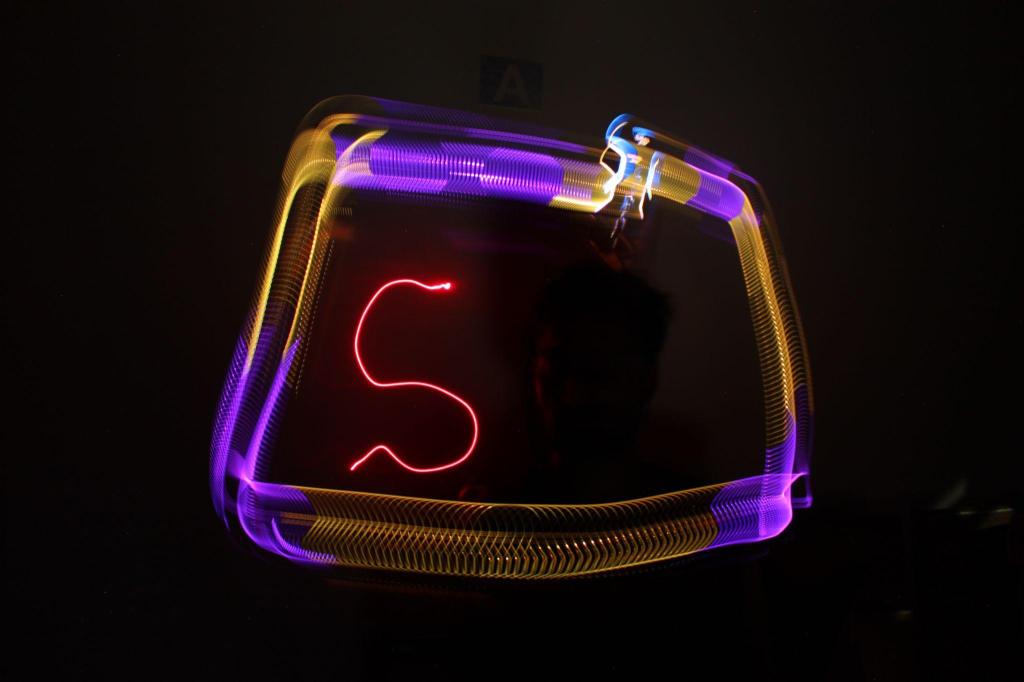
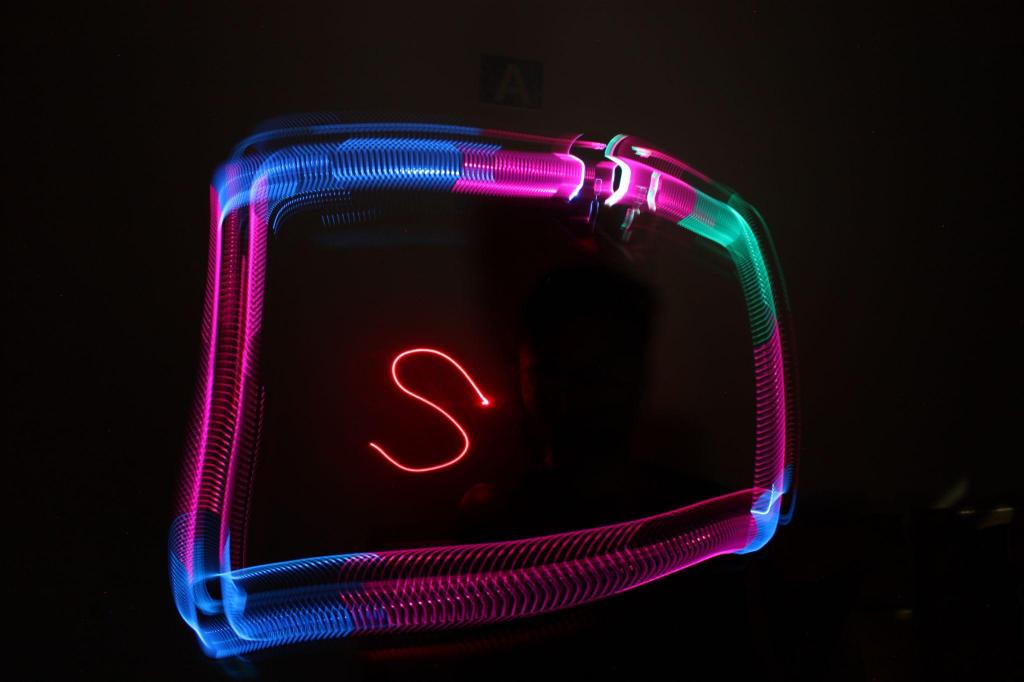
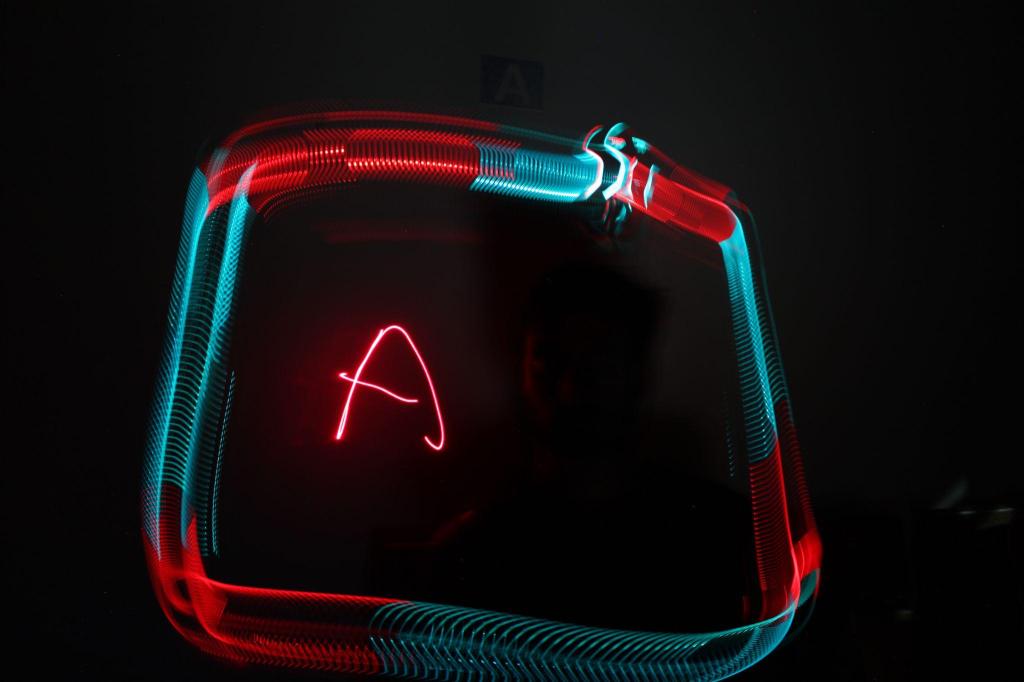
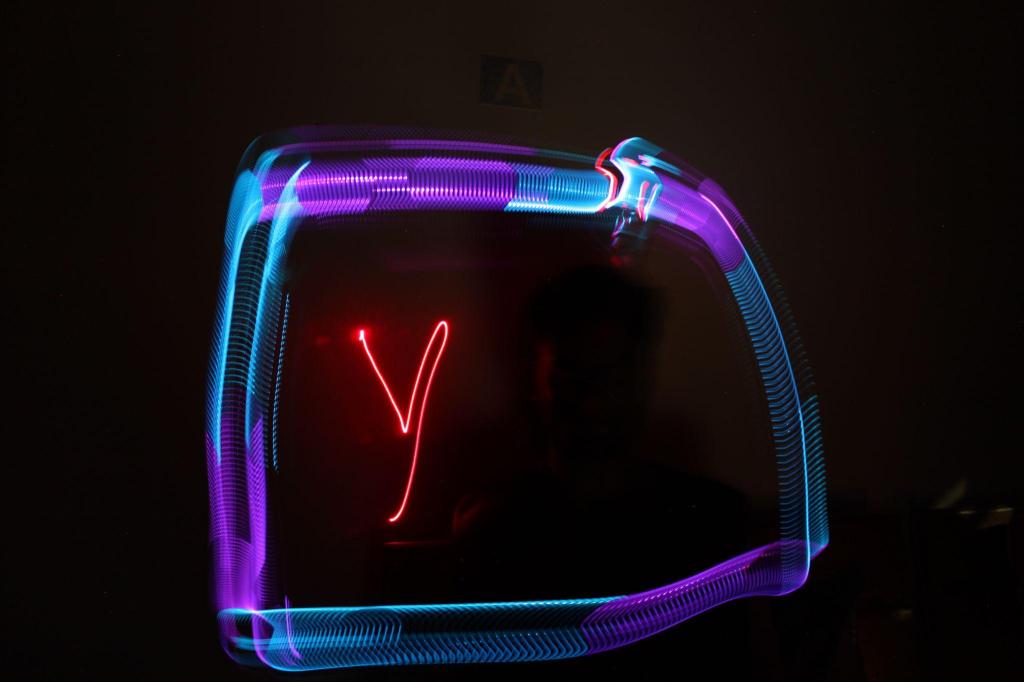
As he quickly approaches the end, Che looks over his work. It’s… Quite dismal, he feels. There was effort put into curating and executing the picture, true, but do his thoughts narrate a story? He is unsure of himself, and alone in this scenario.
He Stops.
Che falls into a spiral, over-thinking about his work. Will it meet the Professor’s expectations? Is his idea conveyed? Is it even an idea? He’s confused, lost, and about to give up.
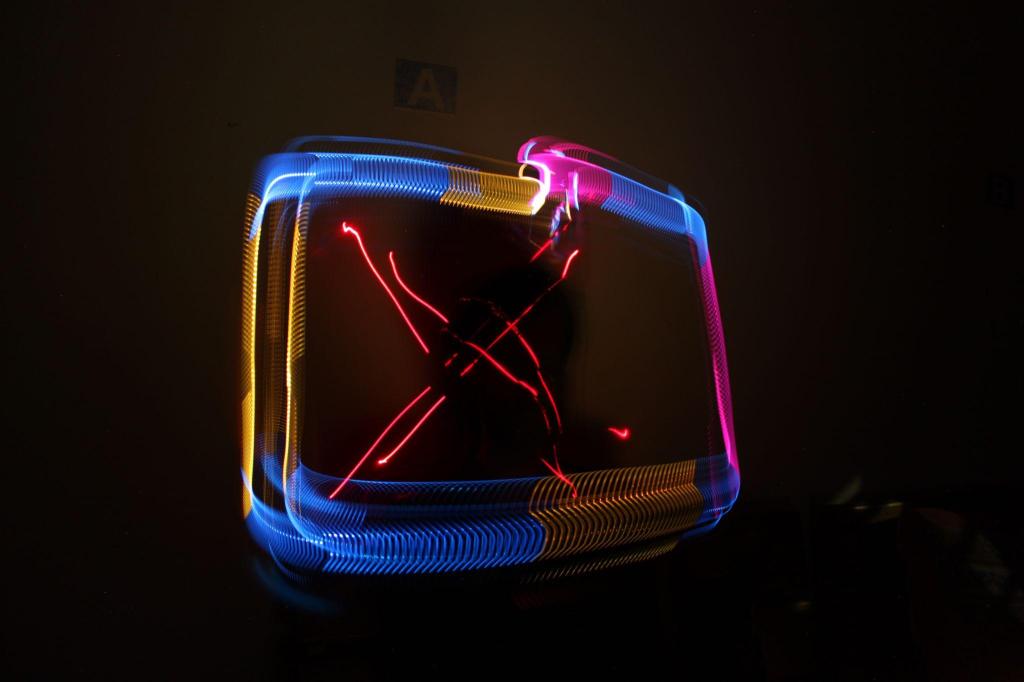
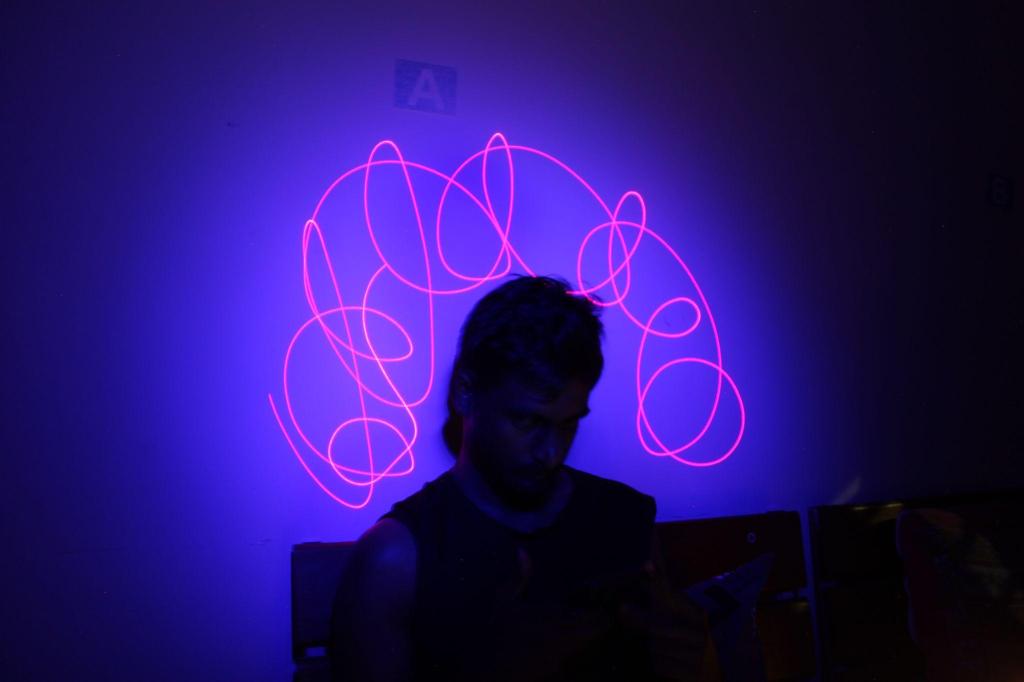
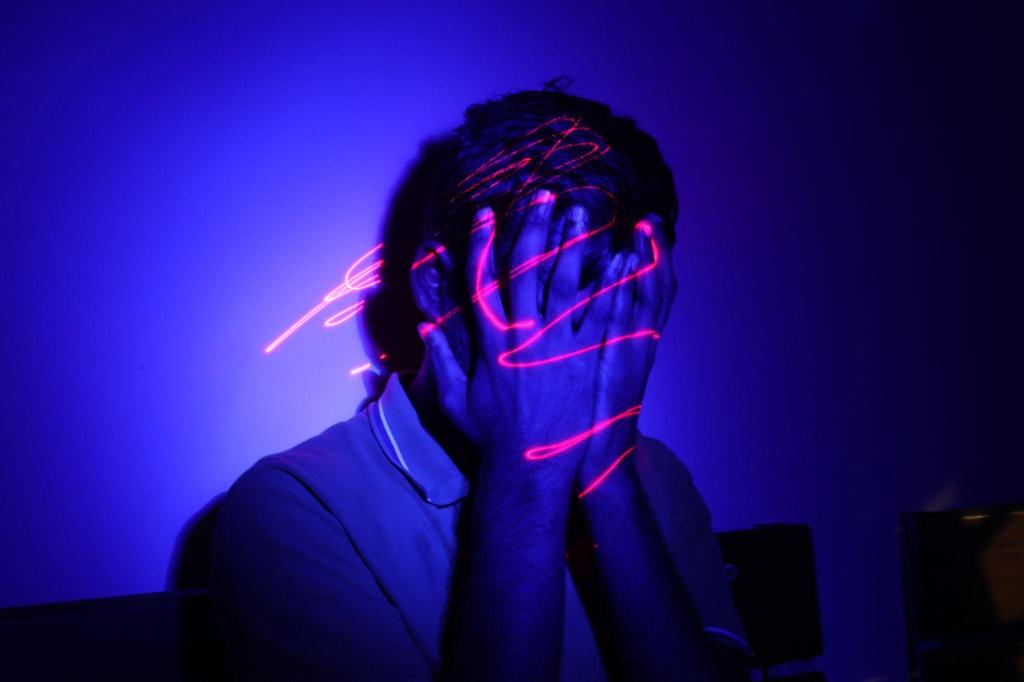
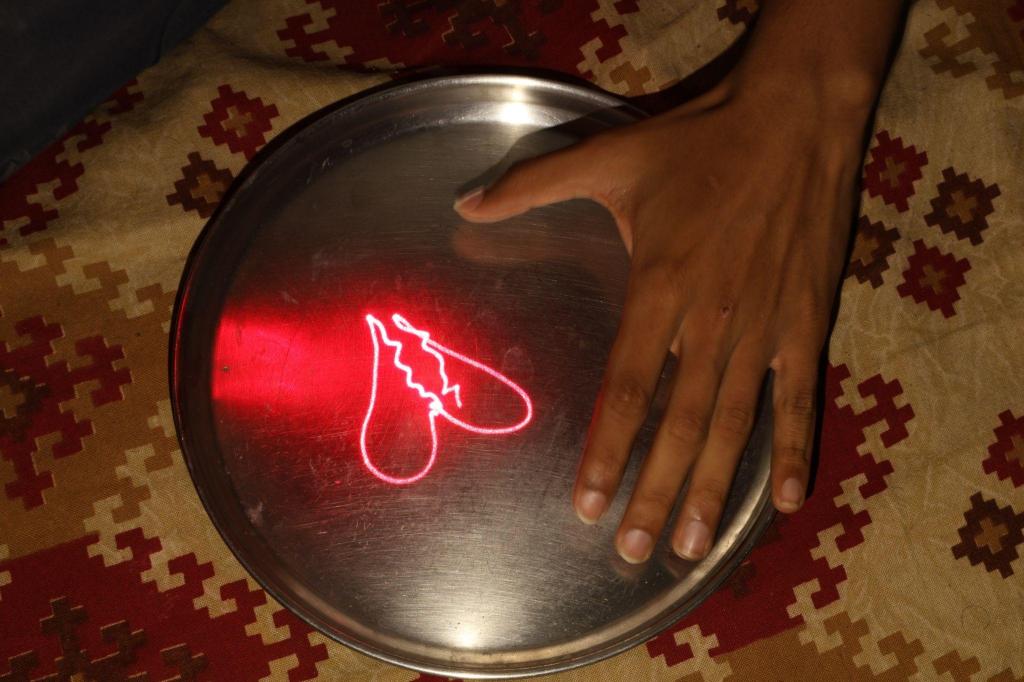
The final photograph is (his) broken heart. Will Che choose to submit his work?
Personally, I think he let go, detached himself from the project and left it at this cliffhanger. Maybe it’s his idea of a dramatic ending, who knows.

