

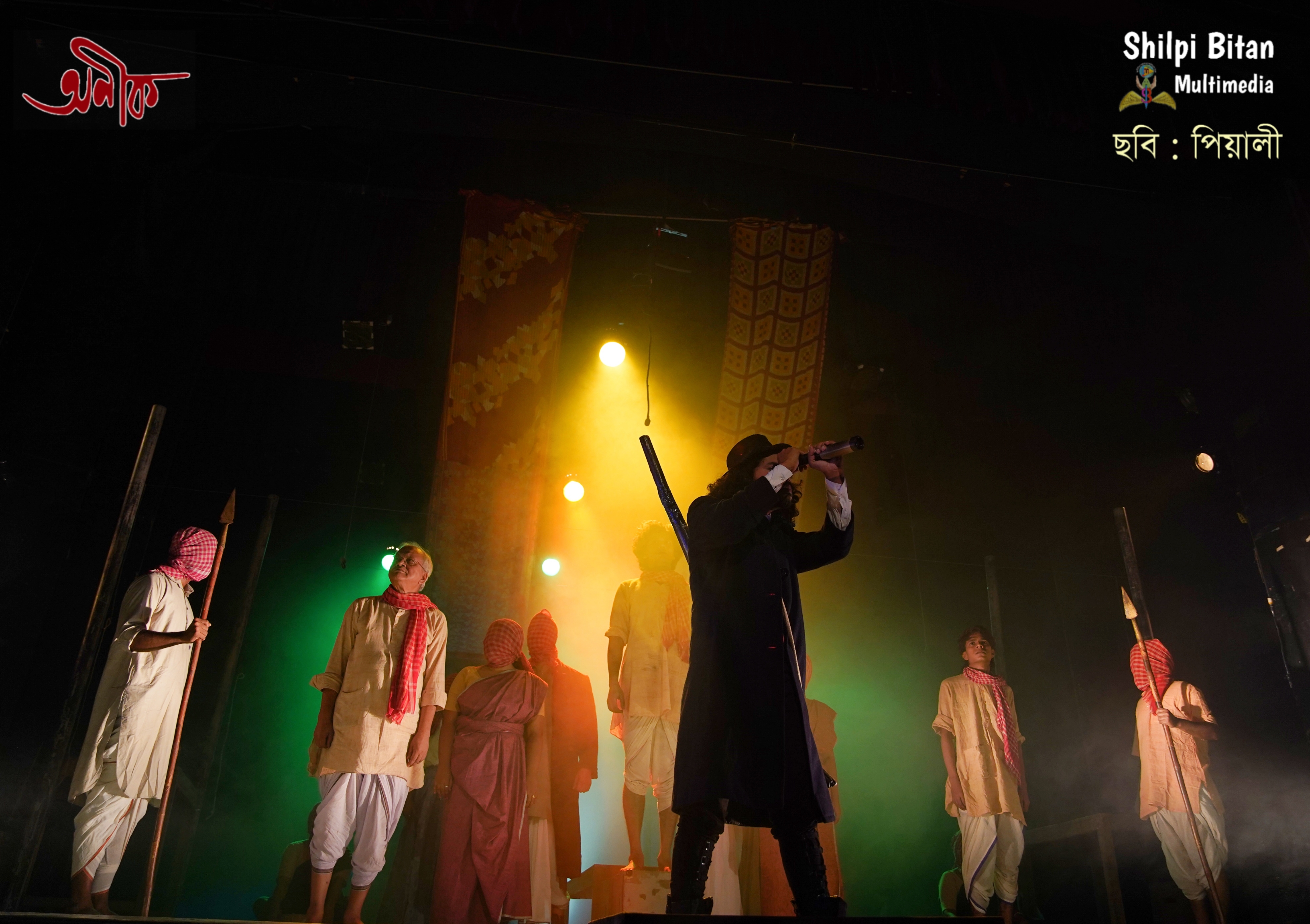

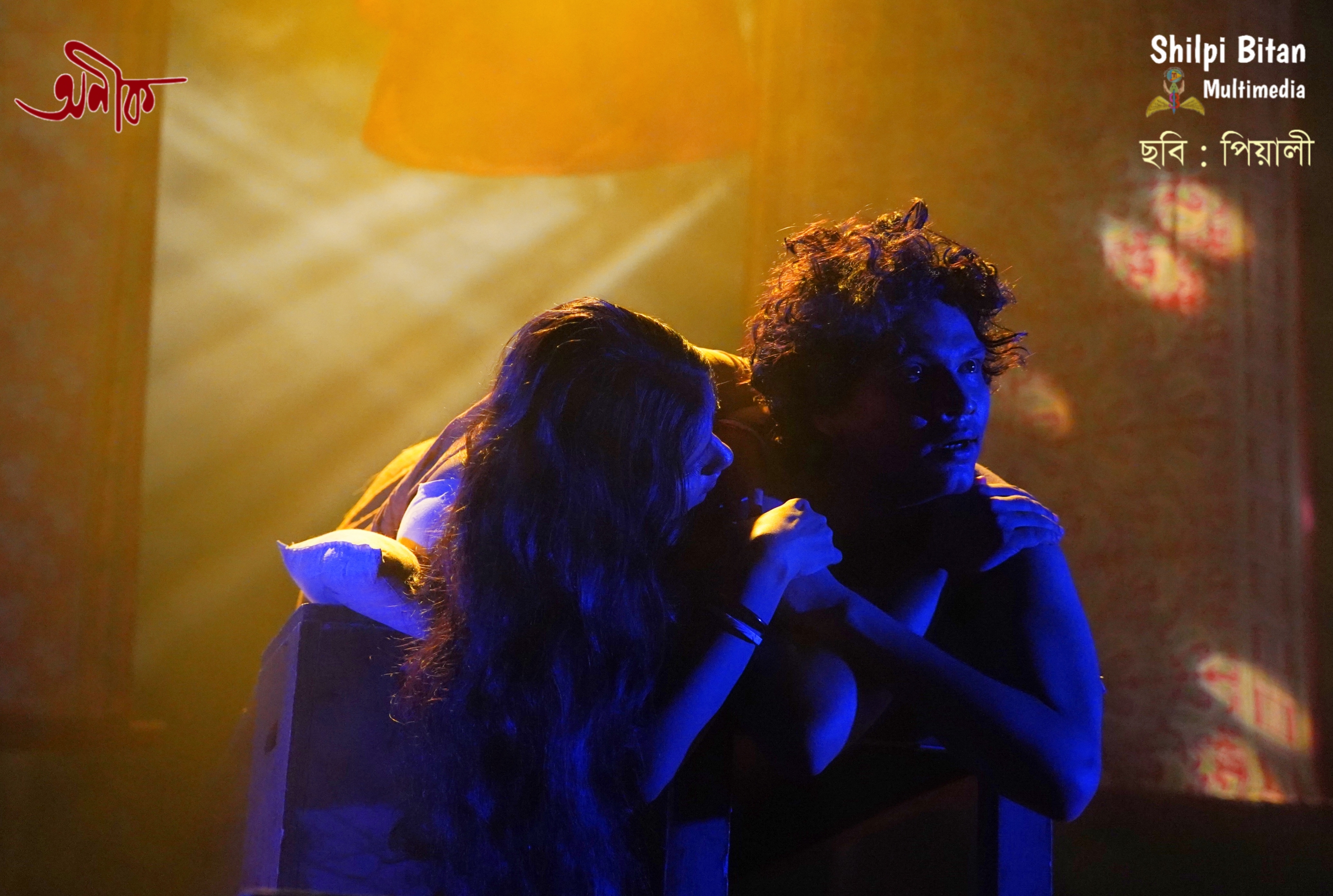
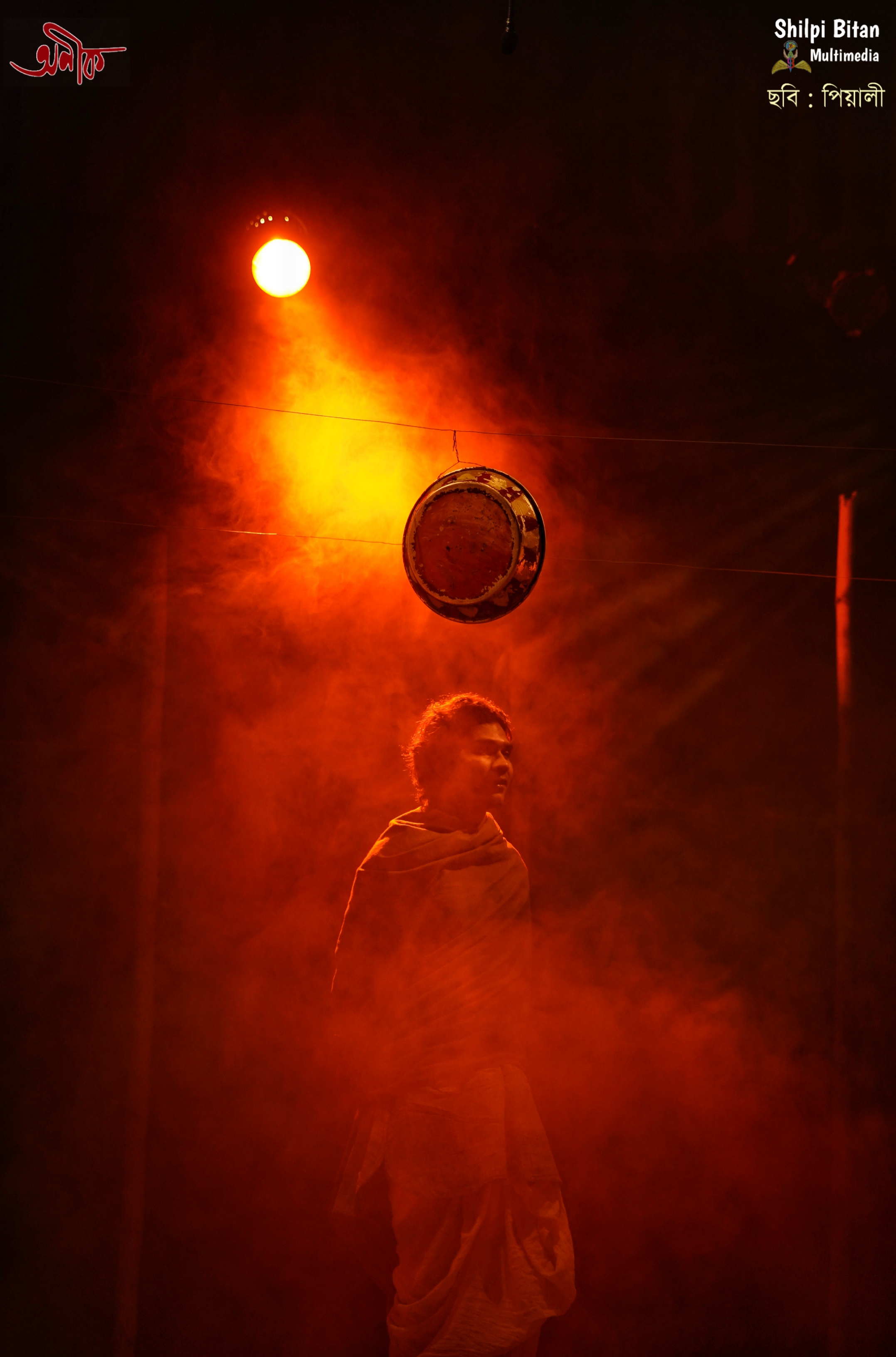
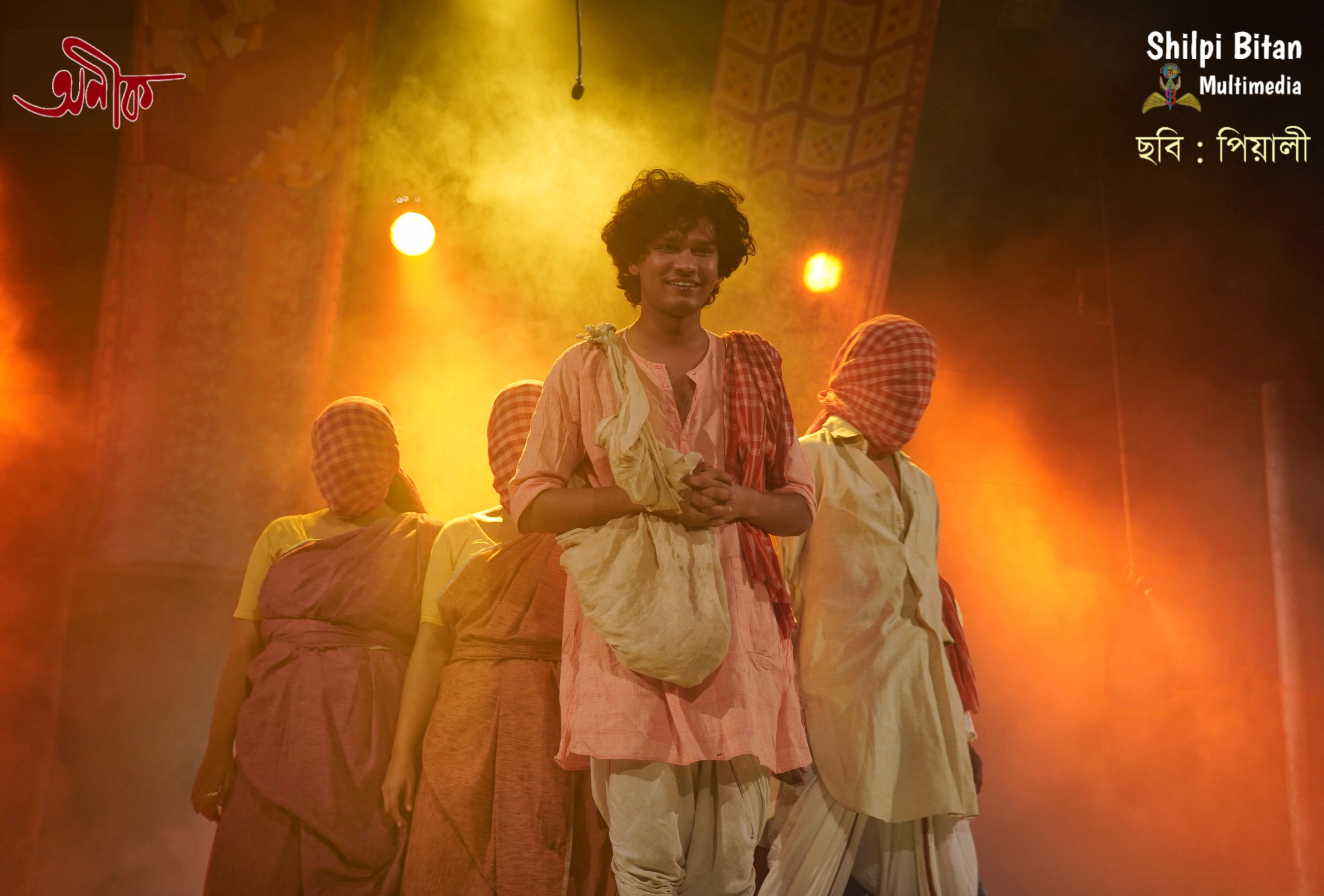
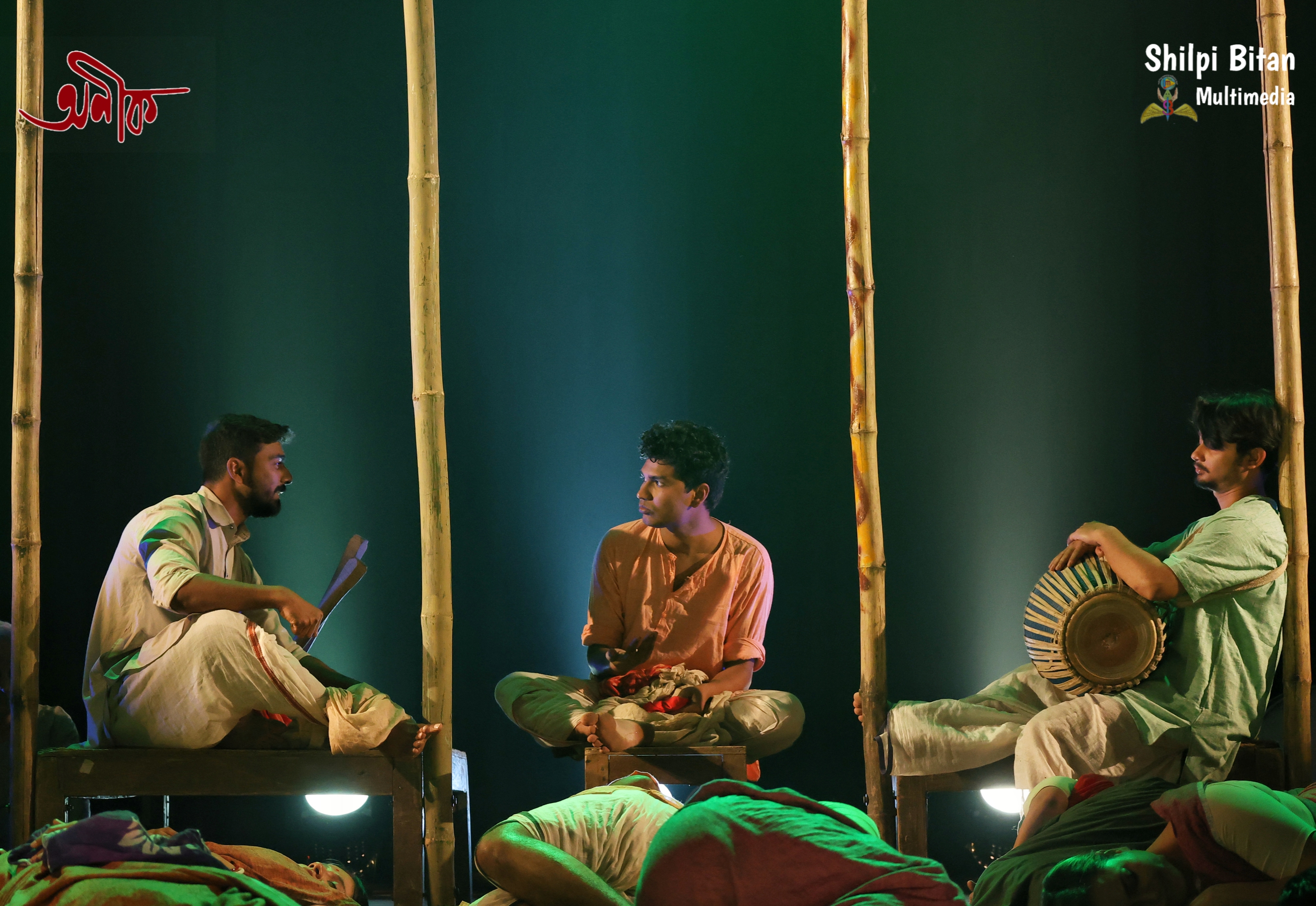

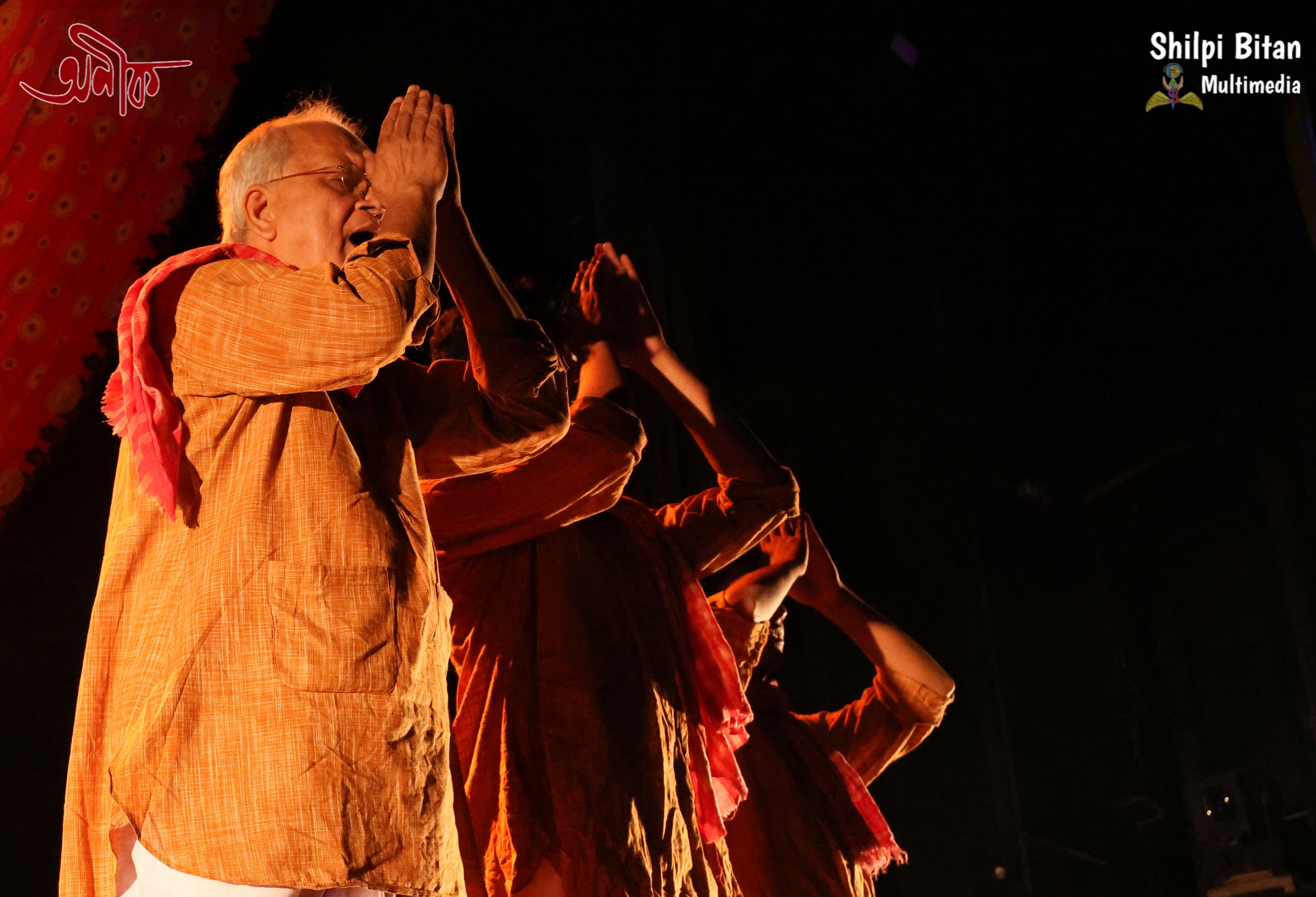
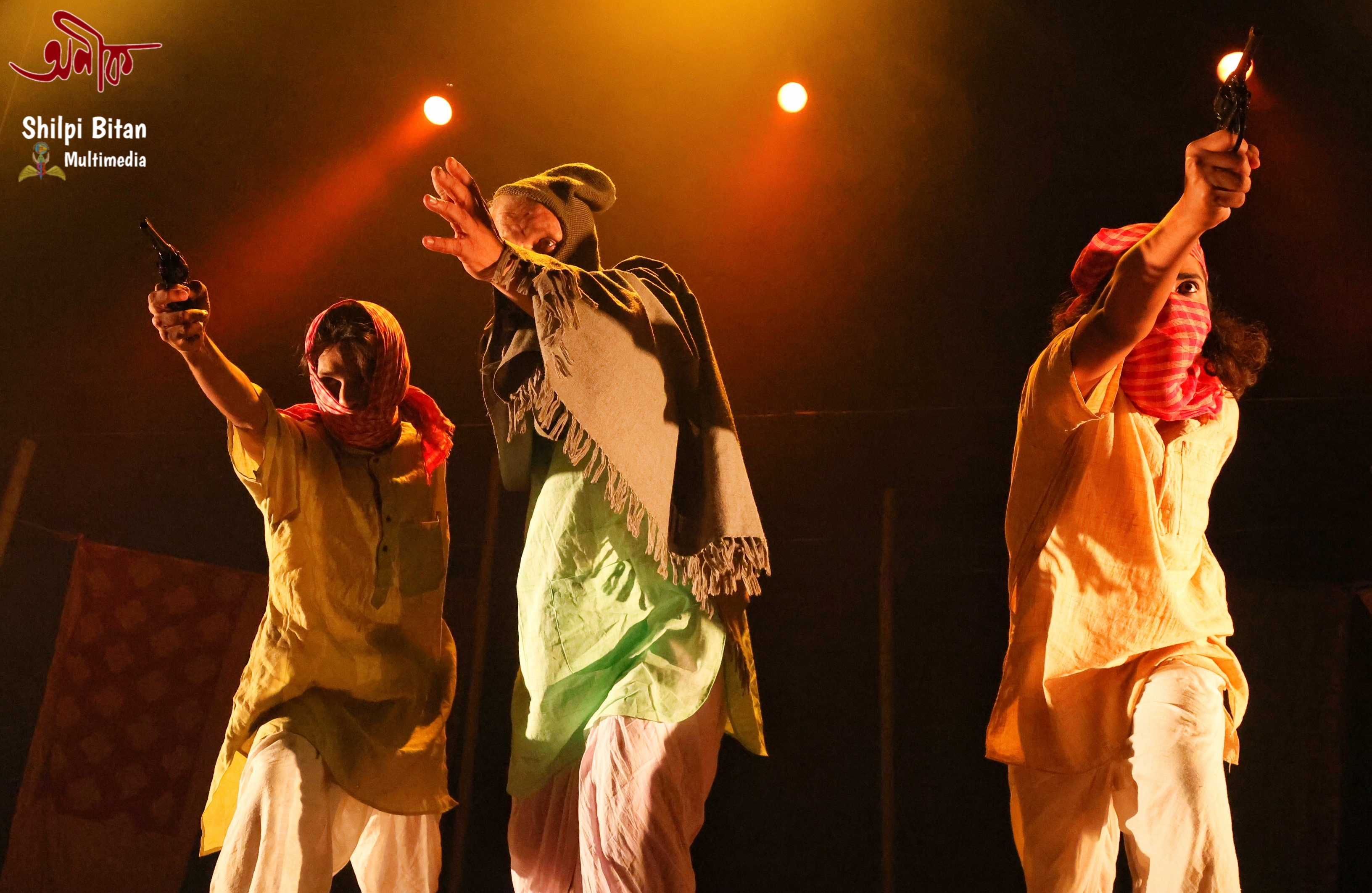
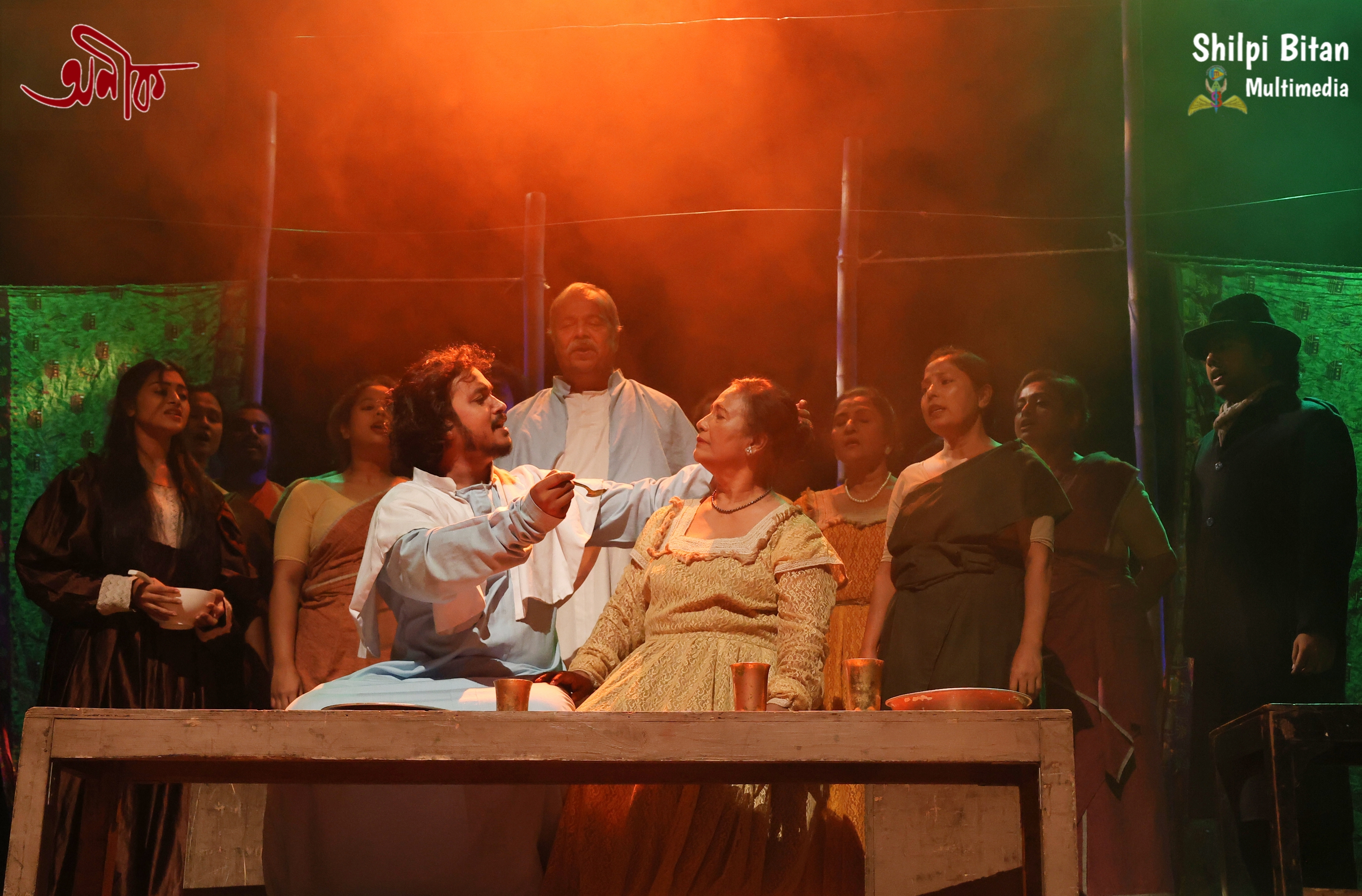
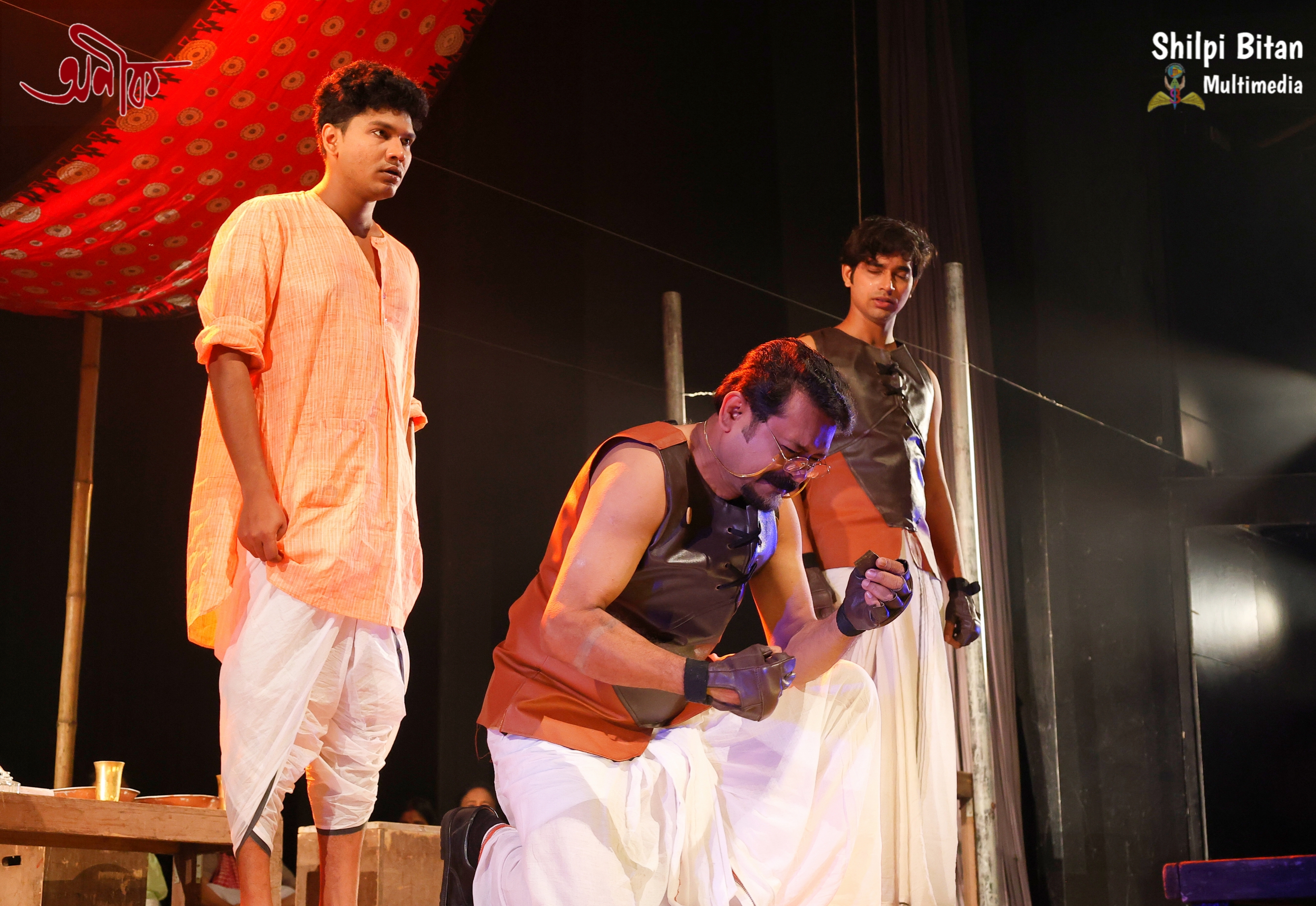
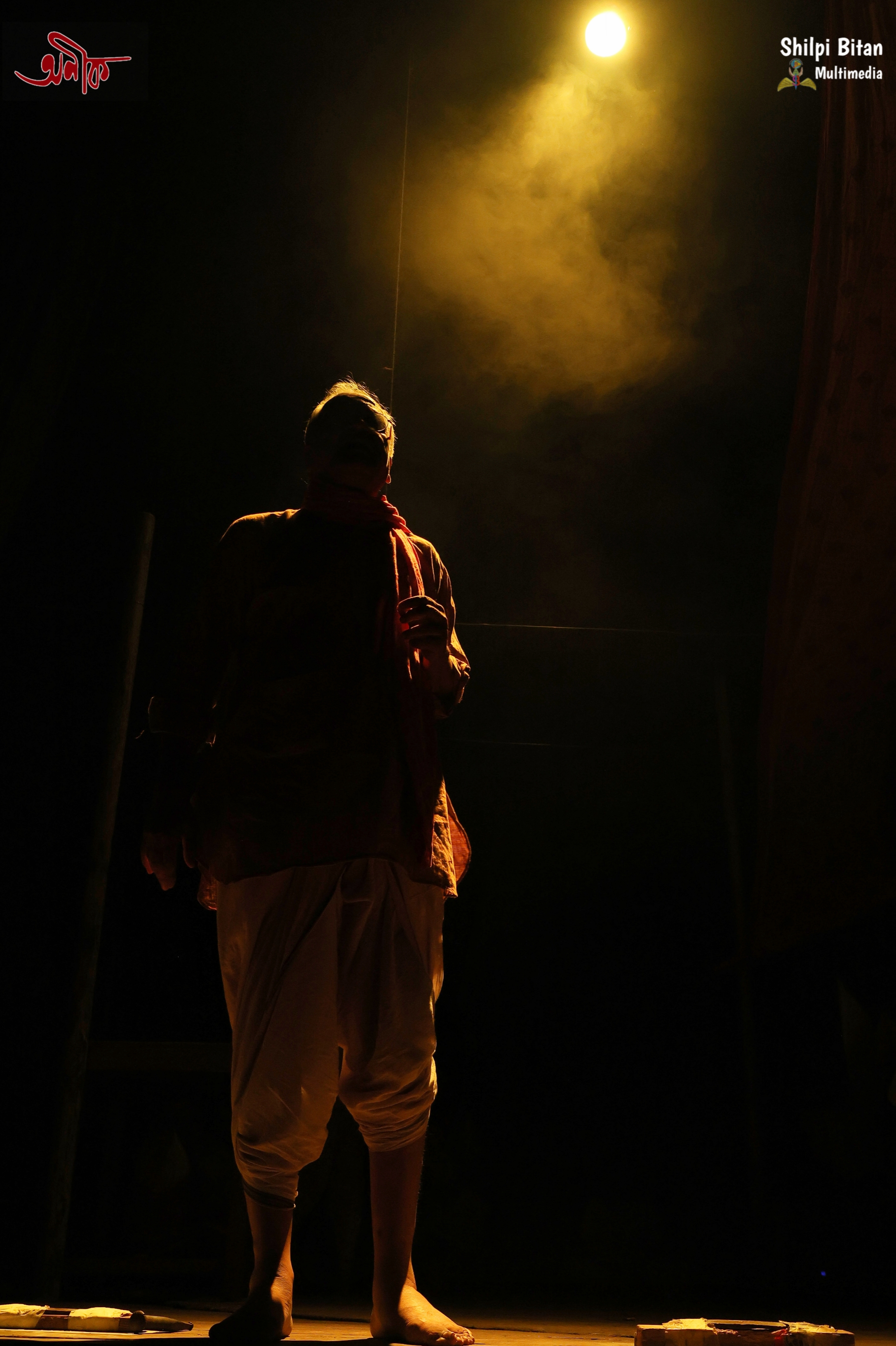
Aneek presents Aksharik
Based on the novel by Rajat Chakrabarti
Play, stage, lighting, music design and direction: Debashis
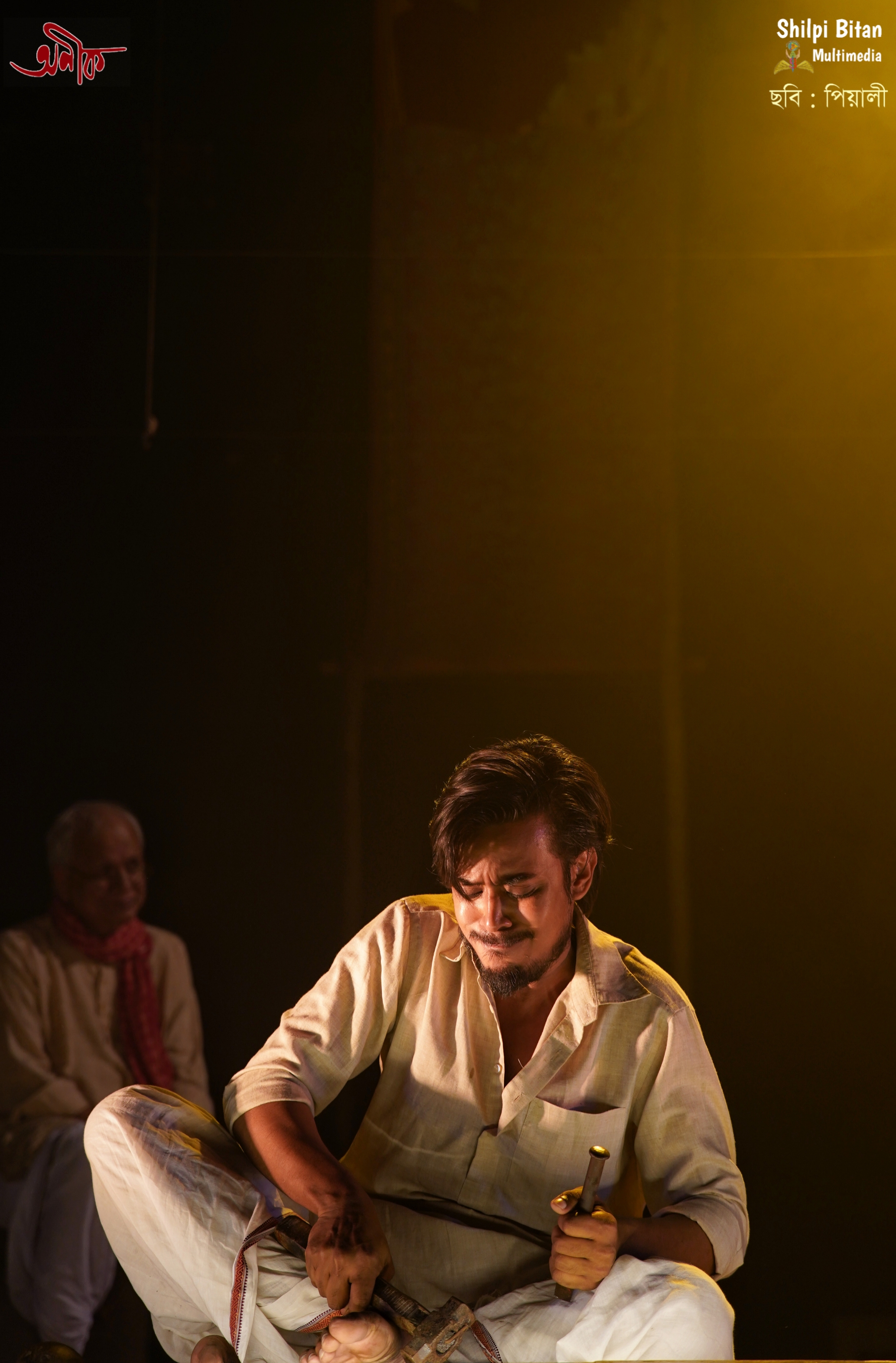
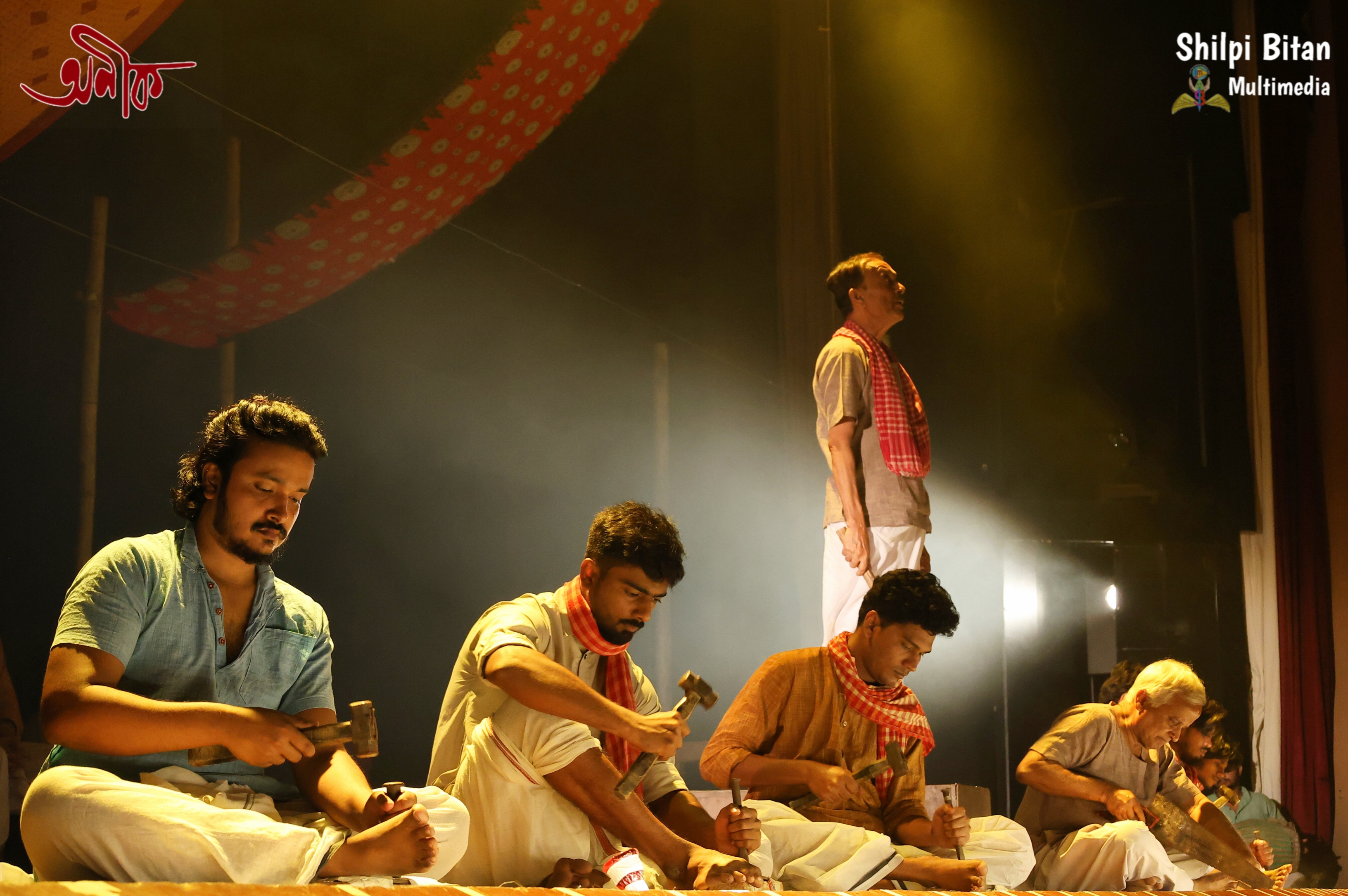
The first letter-artist of the Bengali language was a man named Panchanan Karmakar. It was the British who first set out to create a consistent, printable Bengali typeface, driven chiefly by the needs of missionary work, trade and governance, and Nathaniel Brassey Halhed and Charles Wilkins led that effort. Yet in the history of Bengali movable type, the name of the craftsman who actually shaped its harmonious and artful letterforms, Panchanan Karmakar, was left unspoken. From 1775 to 1778, the artist Panchanan laboured without distinction between day and night, cutting the punches from which the Bengali alphabet would be cast.
In 1778, Nathaniel Brassey Halhed’s A Grammar of the Bengal Language carried the first well-proportioned Bengali typeface ever printed. Nowhere in the book was the letter-artist Panchanan Karmakar named. It was Charles Wilkins whose name travelled. But Panchanan was an artist who refused to be defeated, and it was William Carey who recognised him for what he was. Carey rescued him from the grip of the British establishment and brought him to the Serampore Mission Press, where Panchanan made the Bengali letters more graceful and more beautiful still. Those were the letters that Vidyasagar would later refine and place into our hands in Barnaparichay (1855).
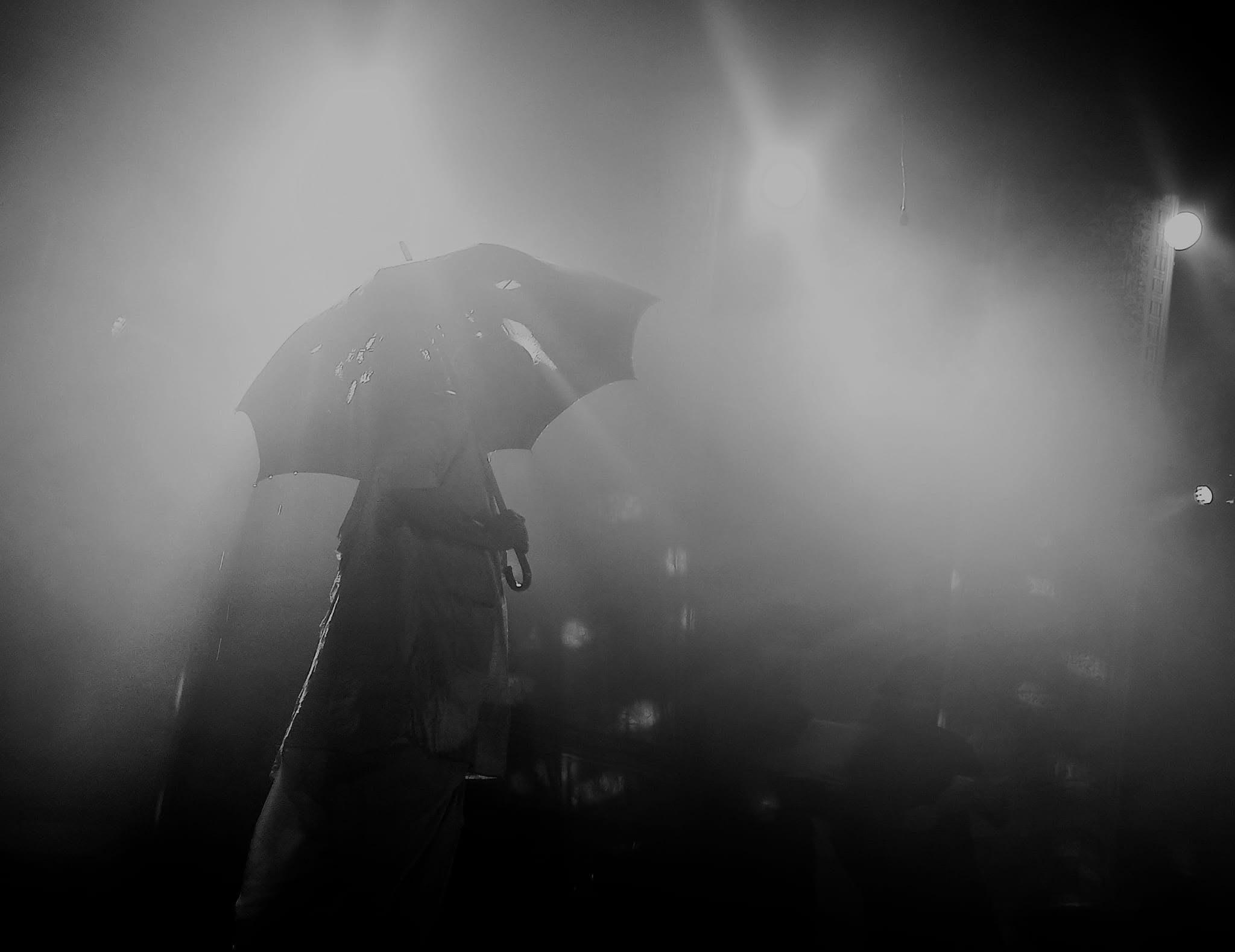
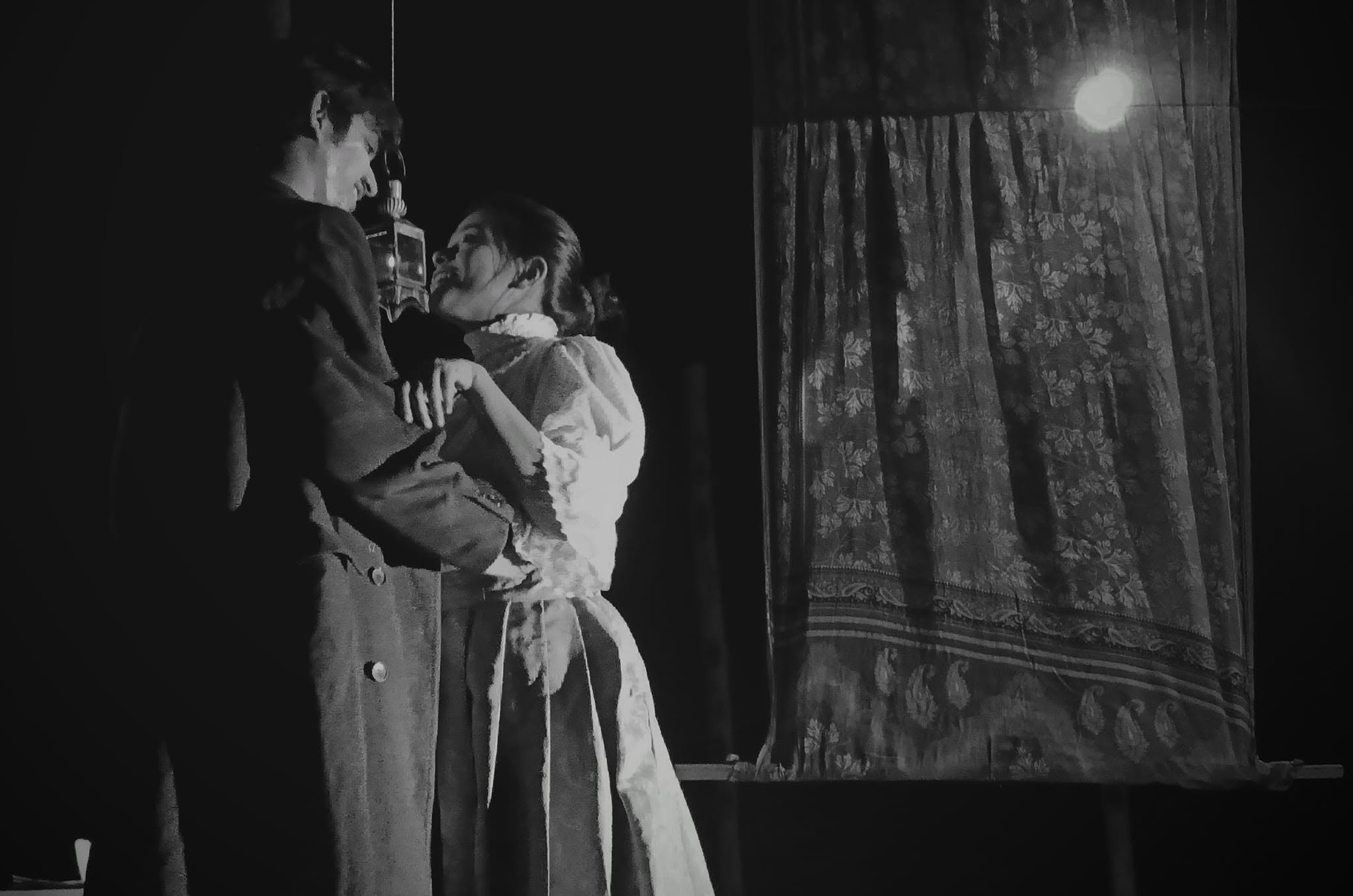
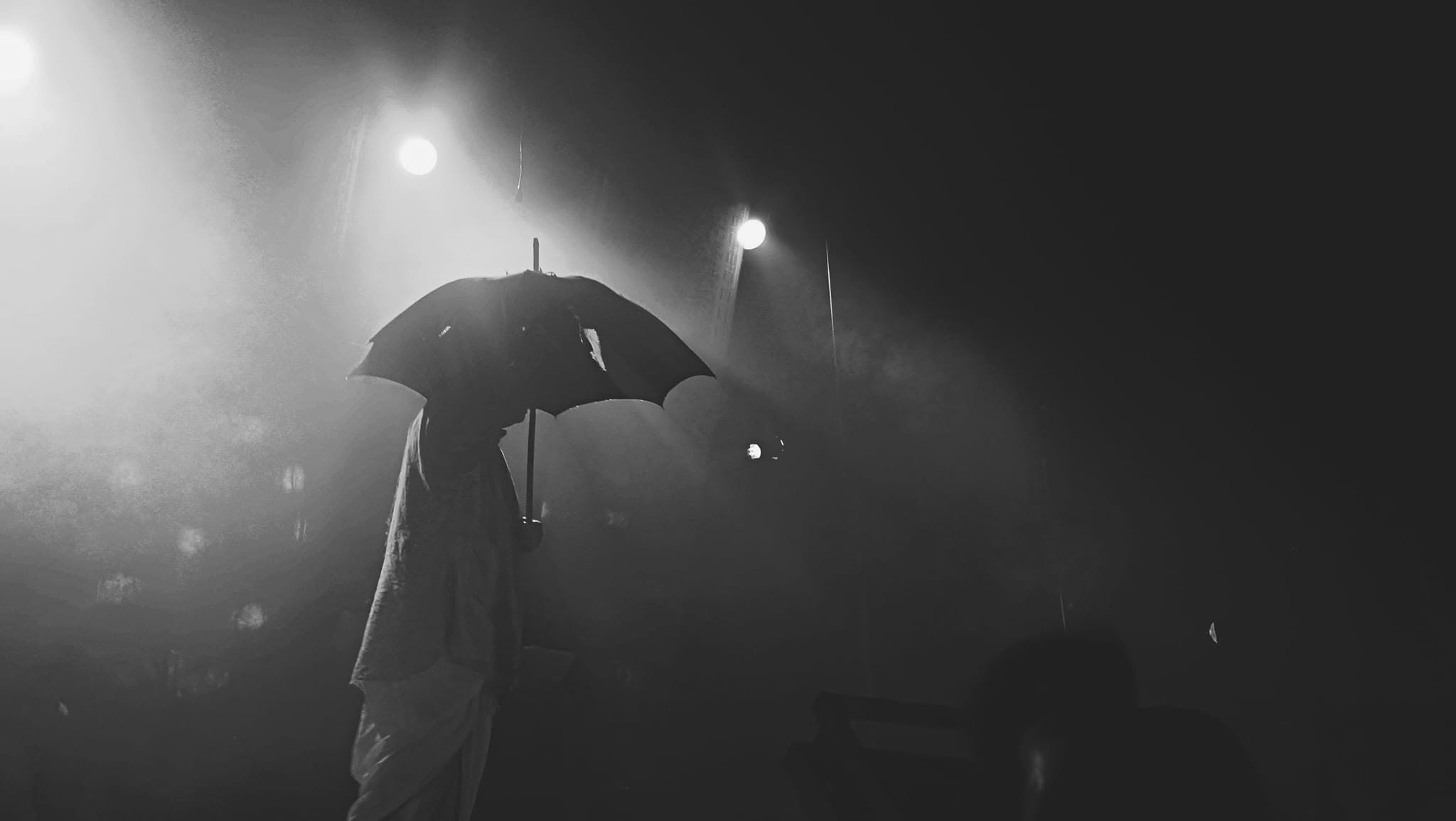
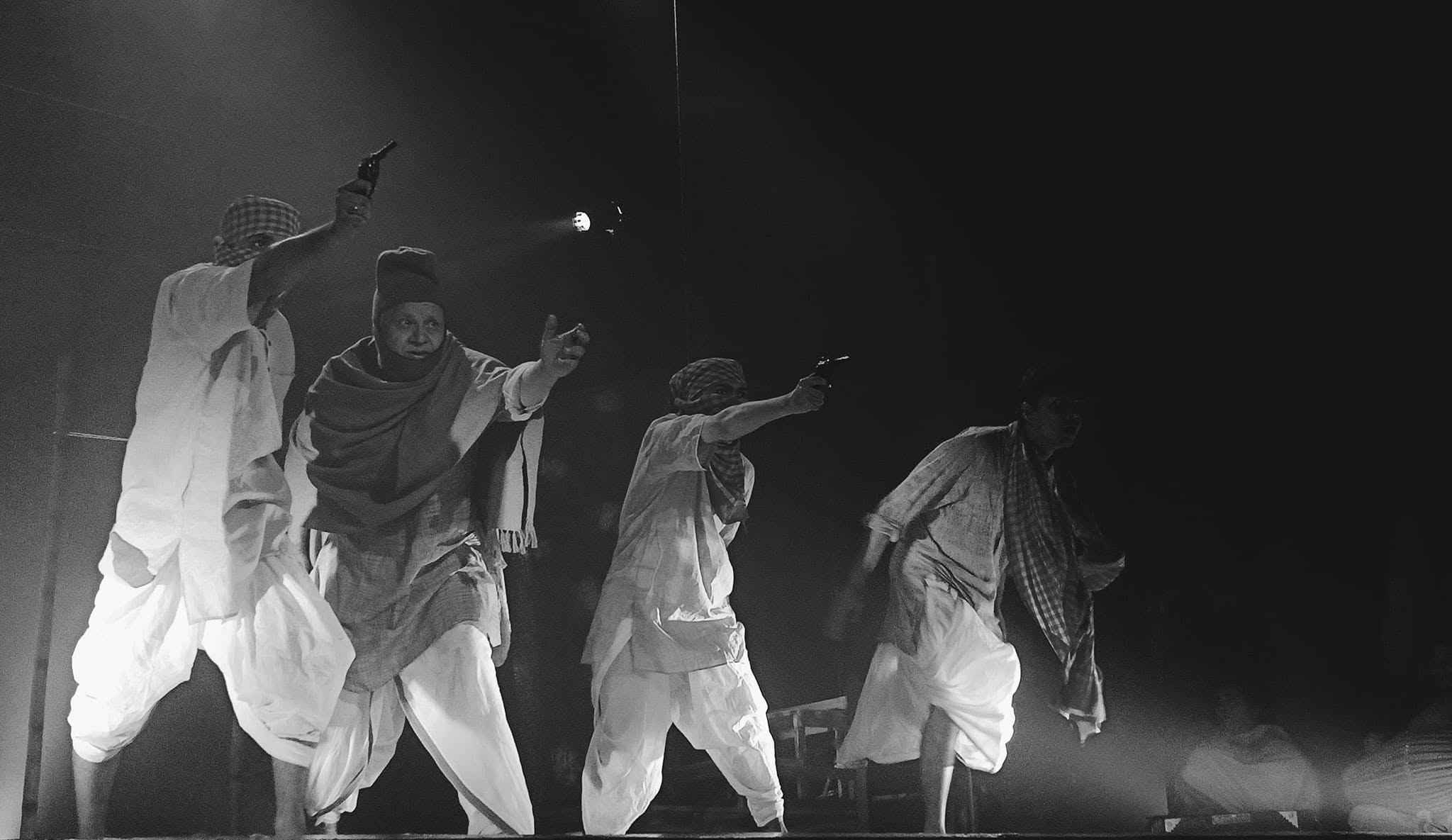
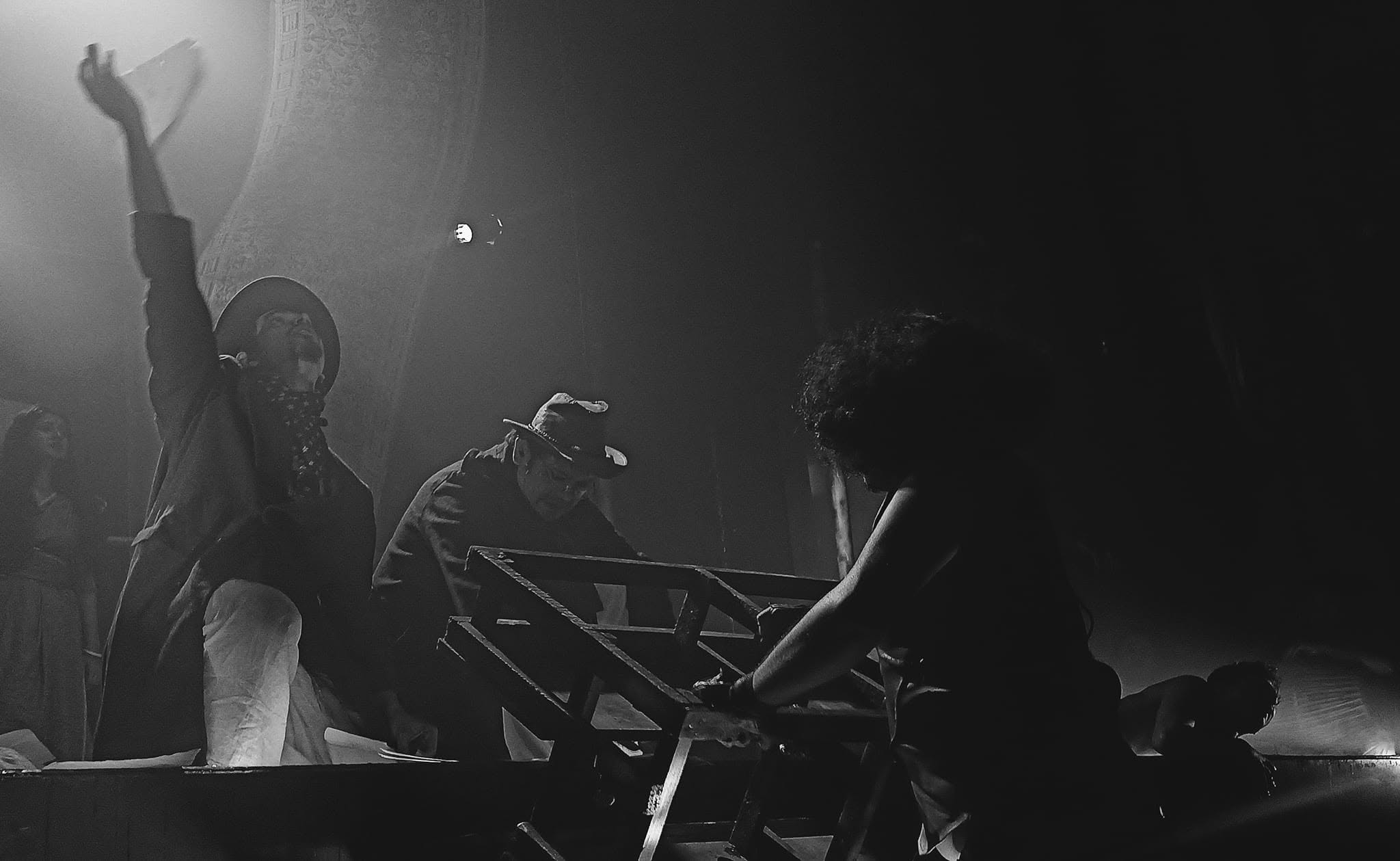
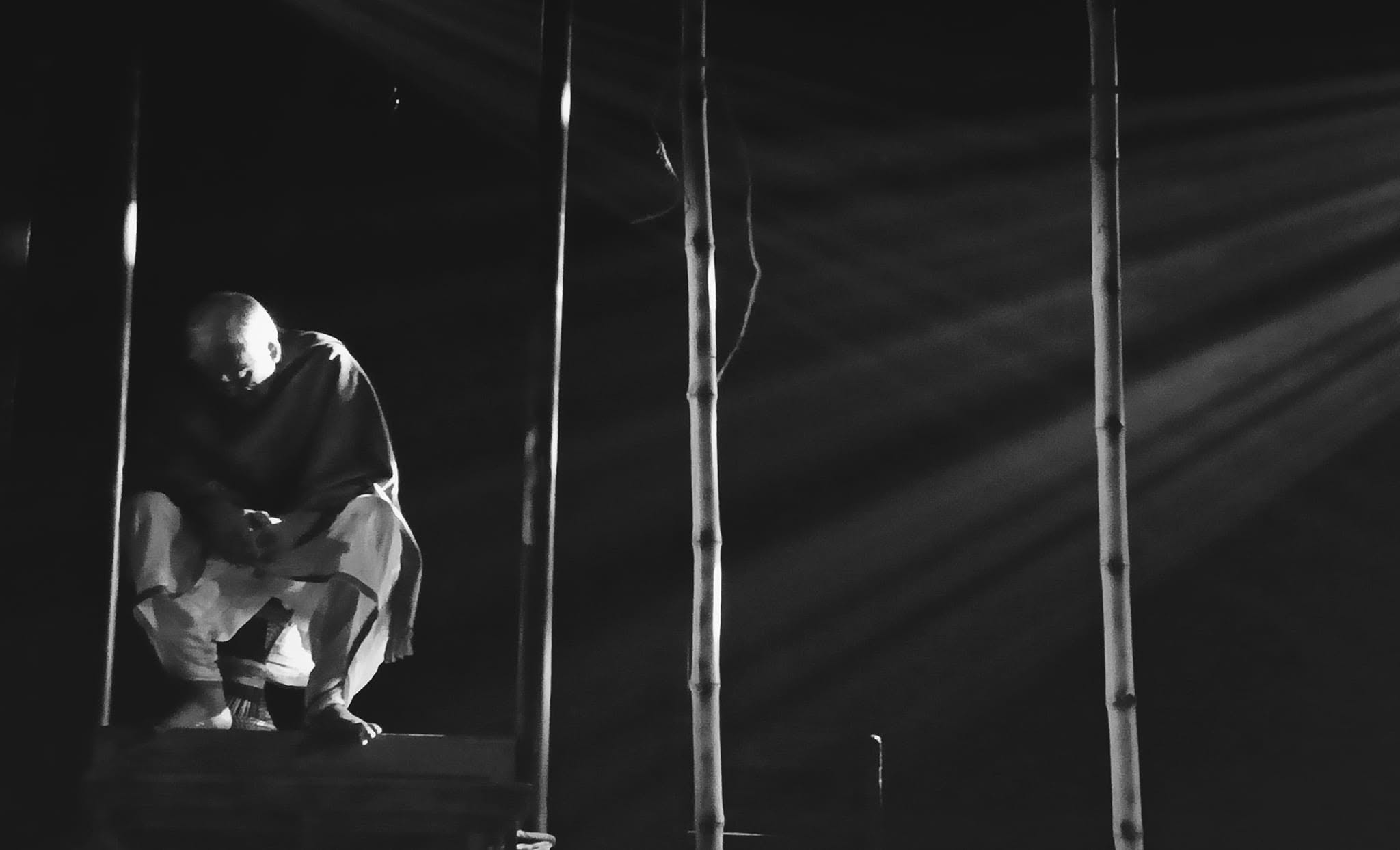
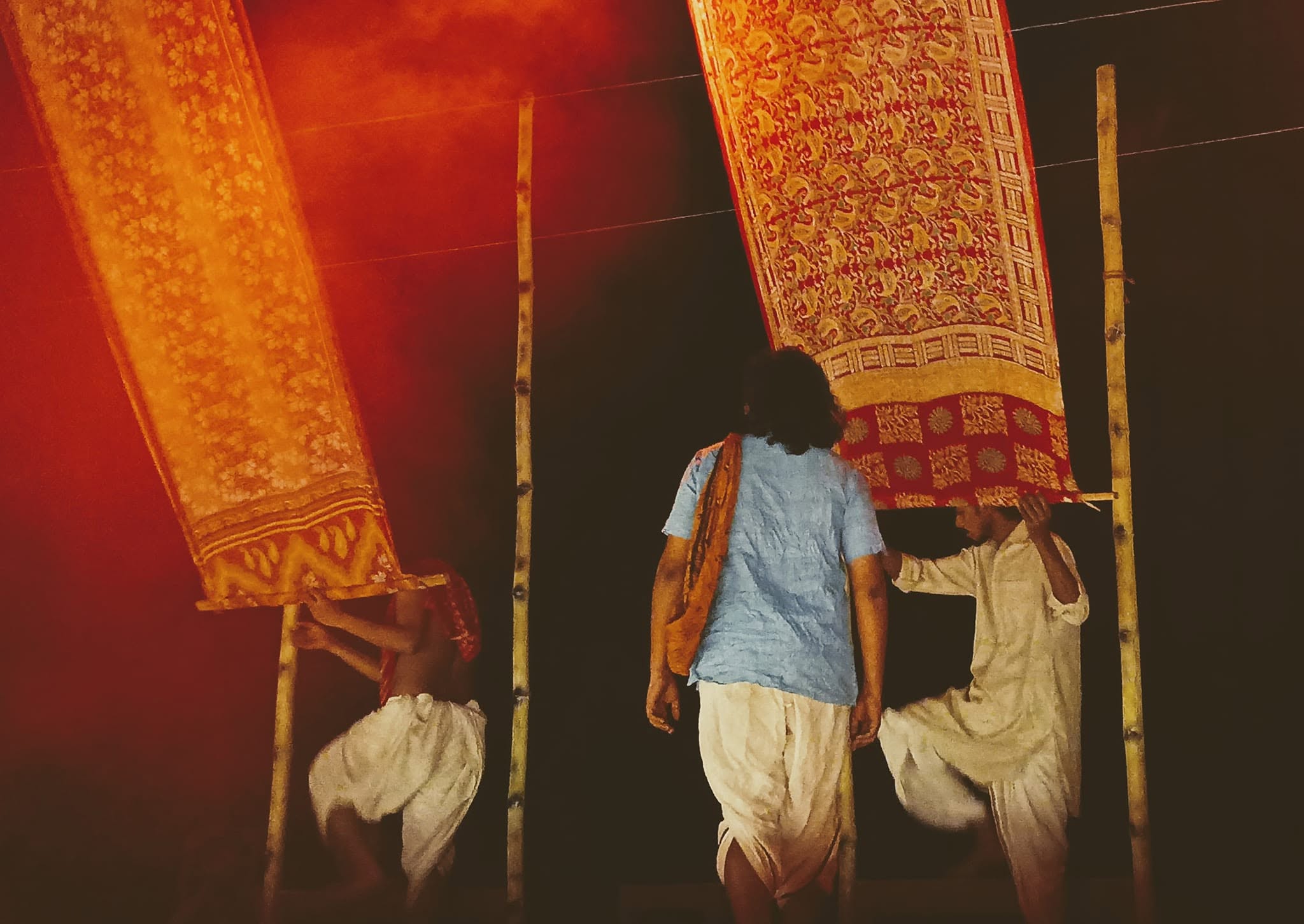
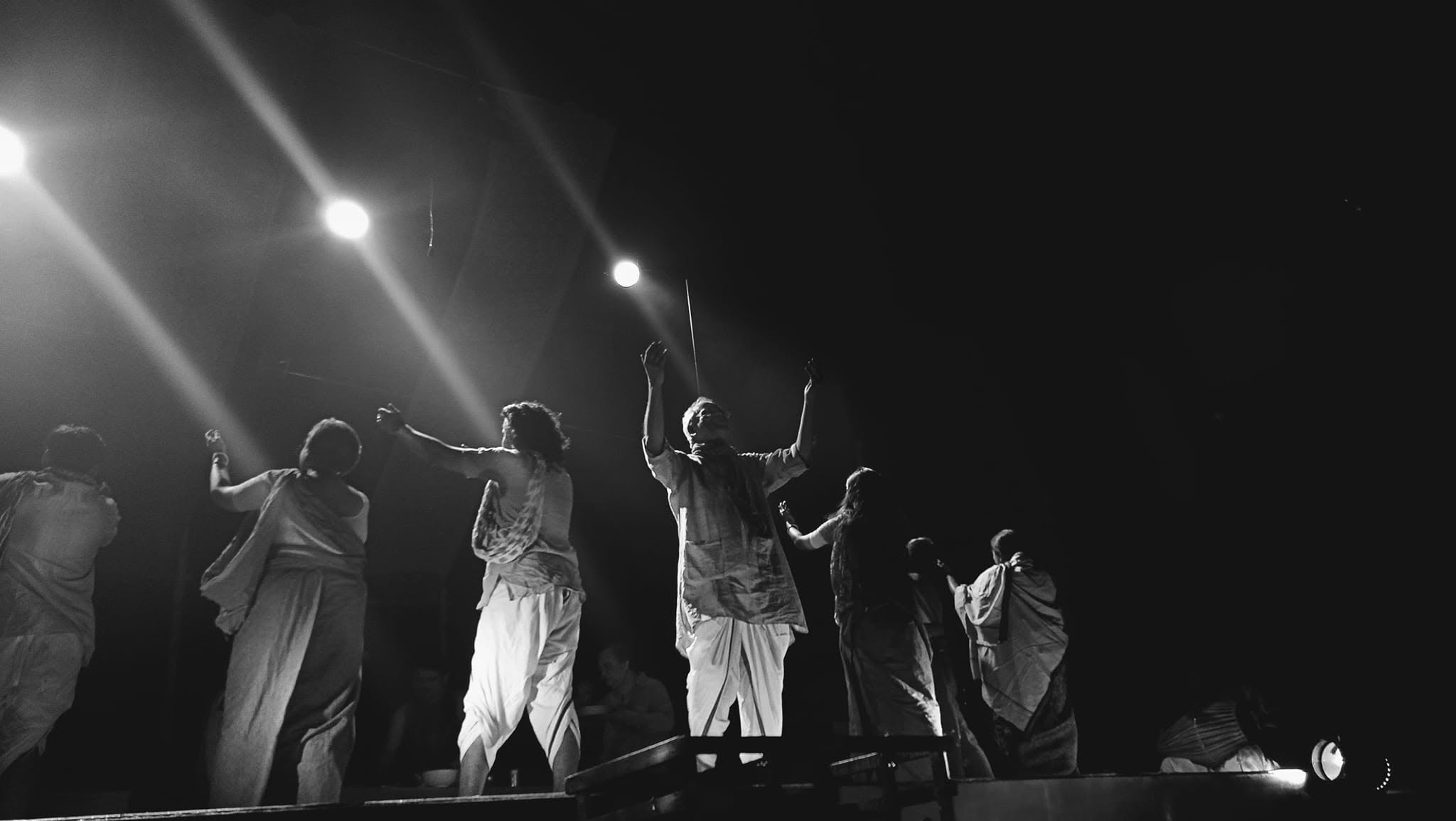
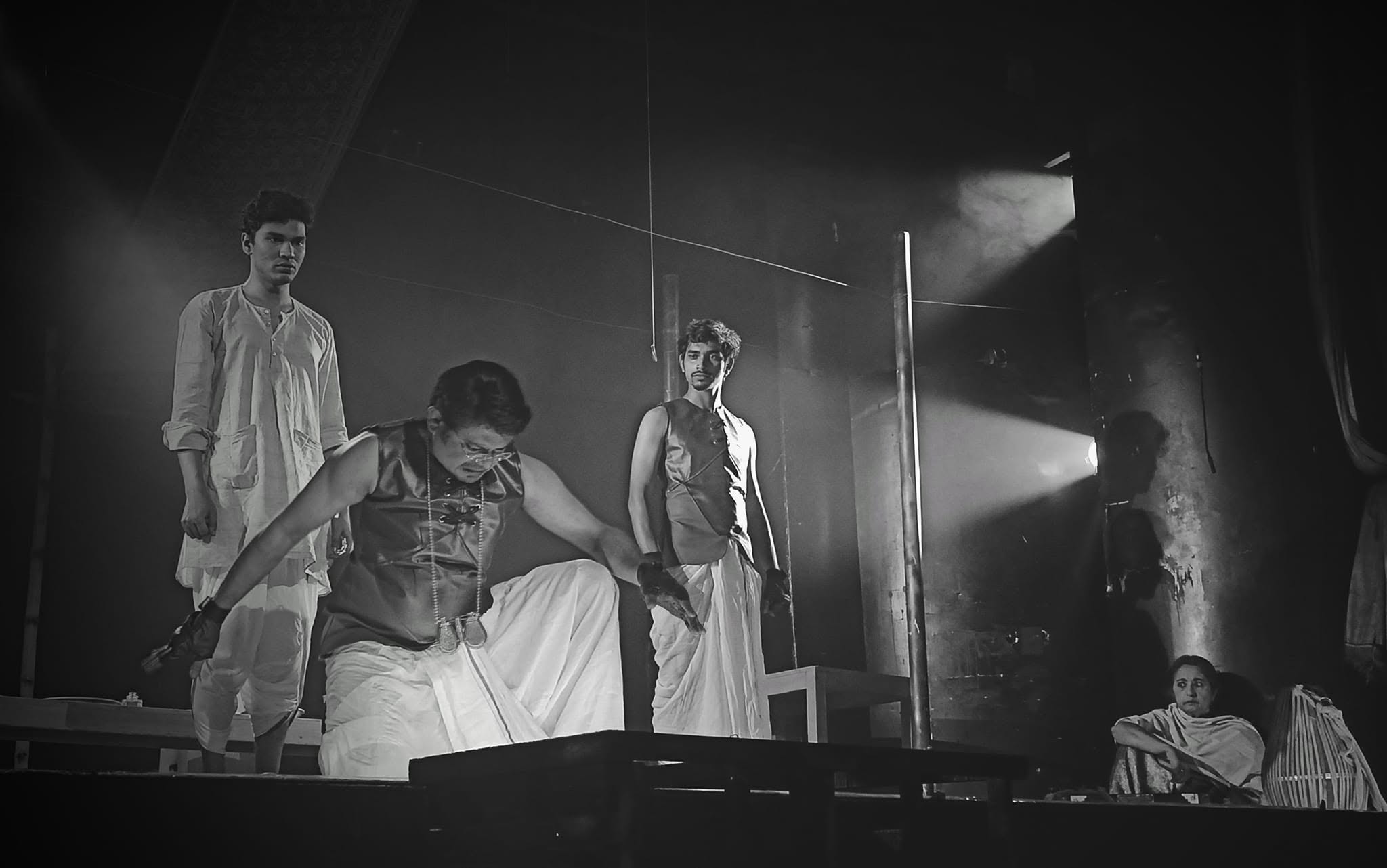
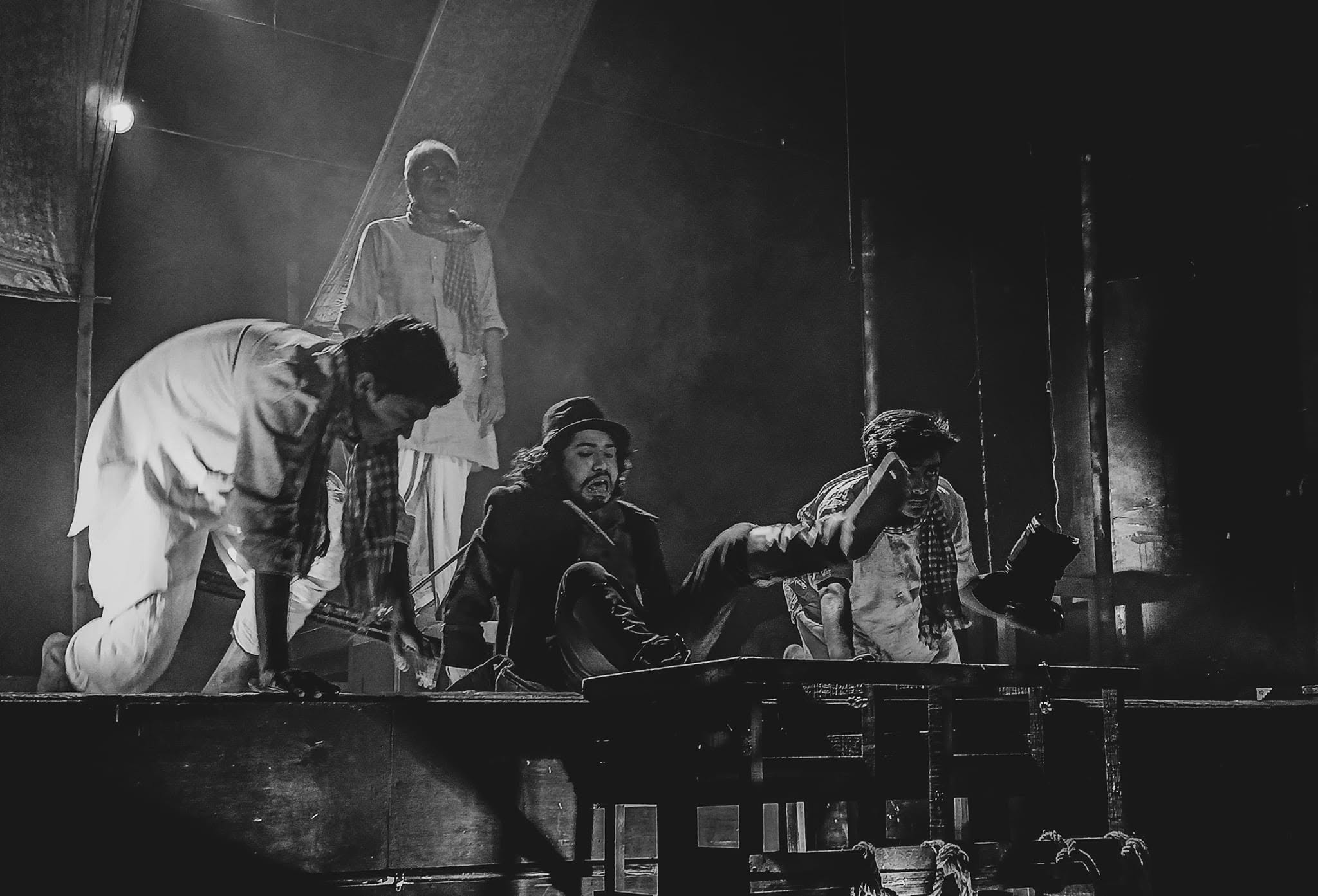
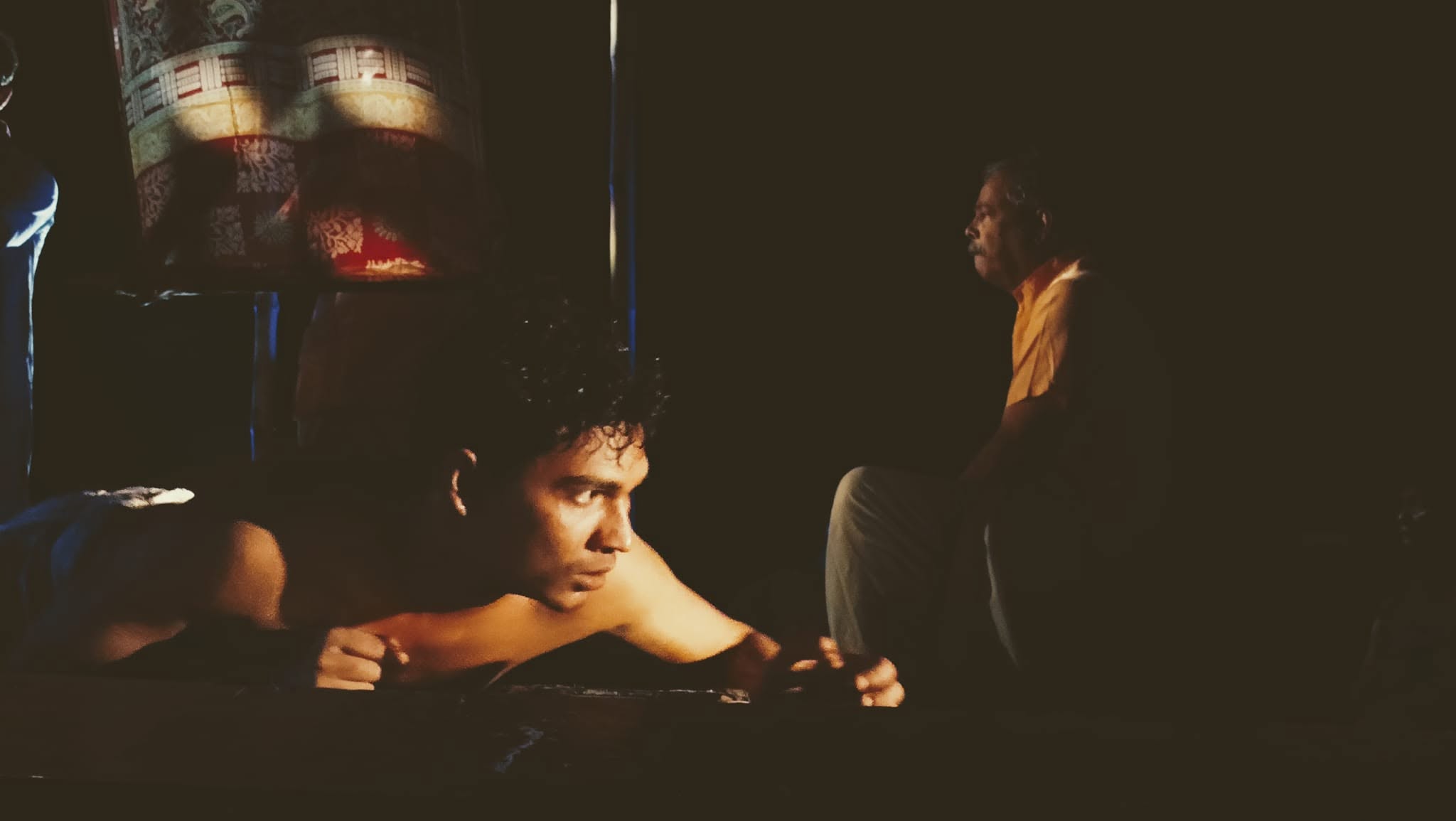
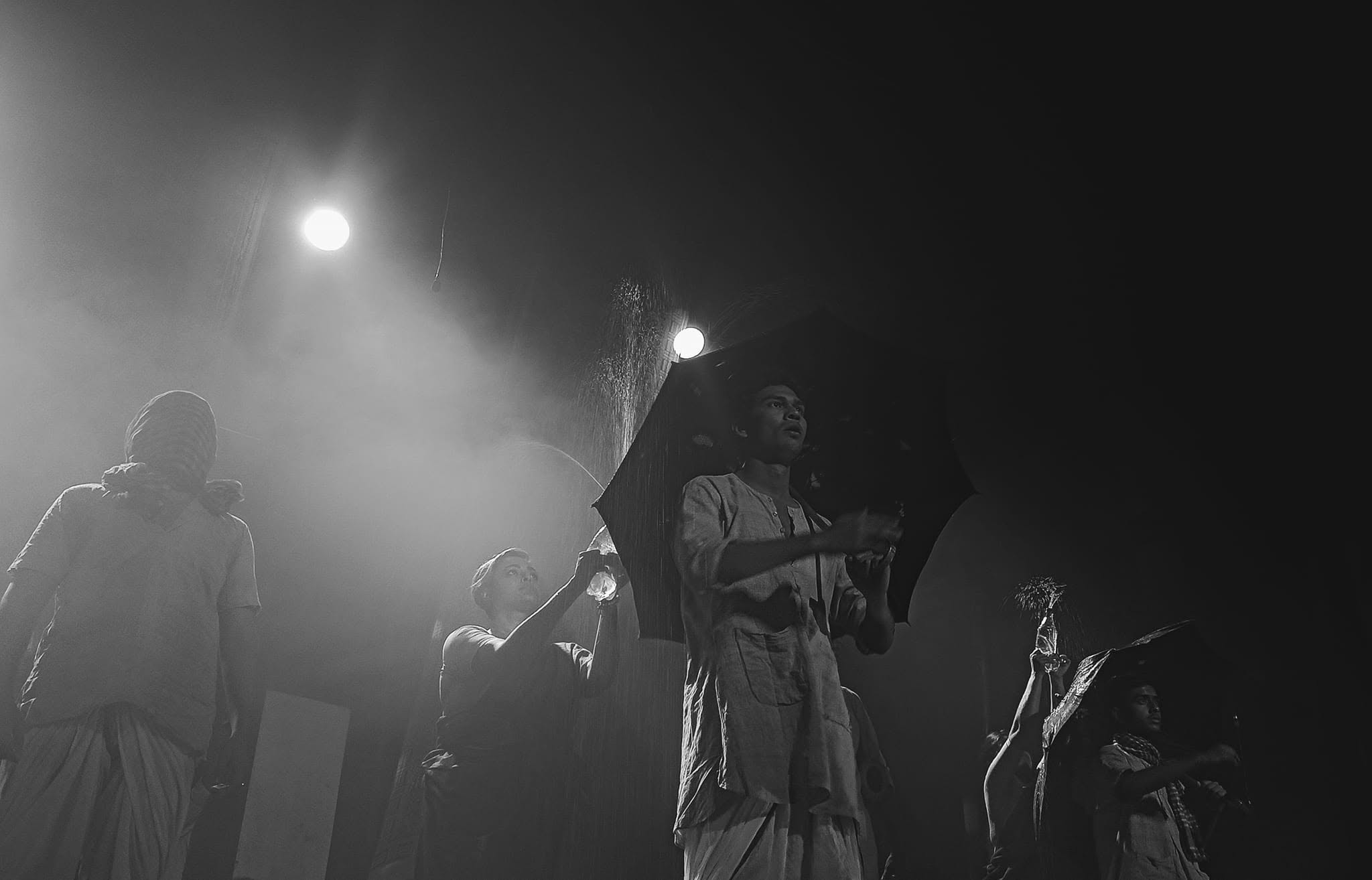
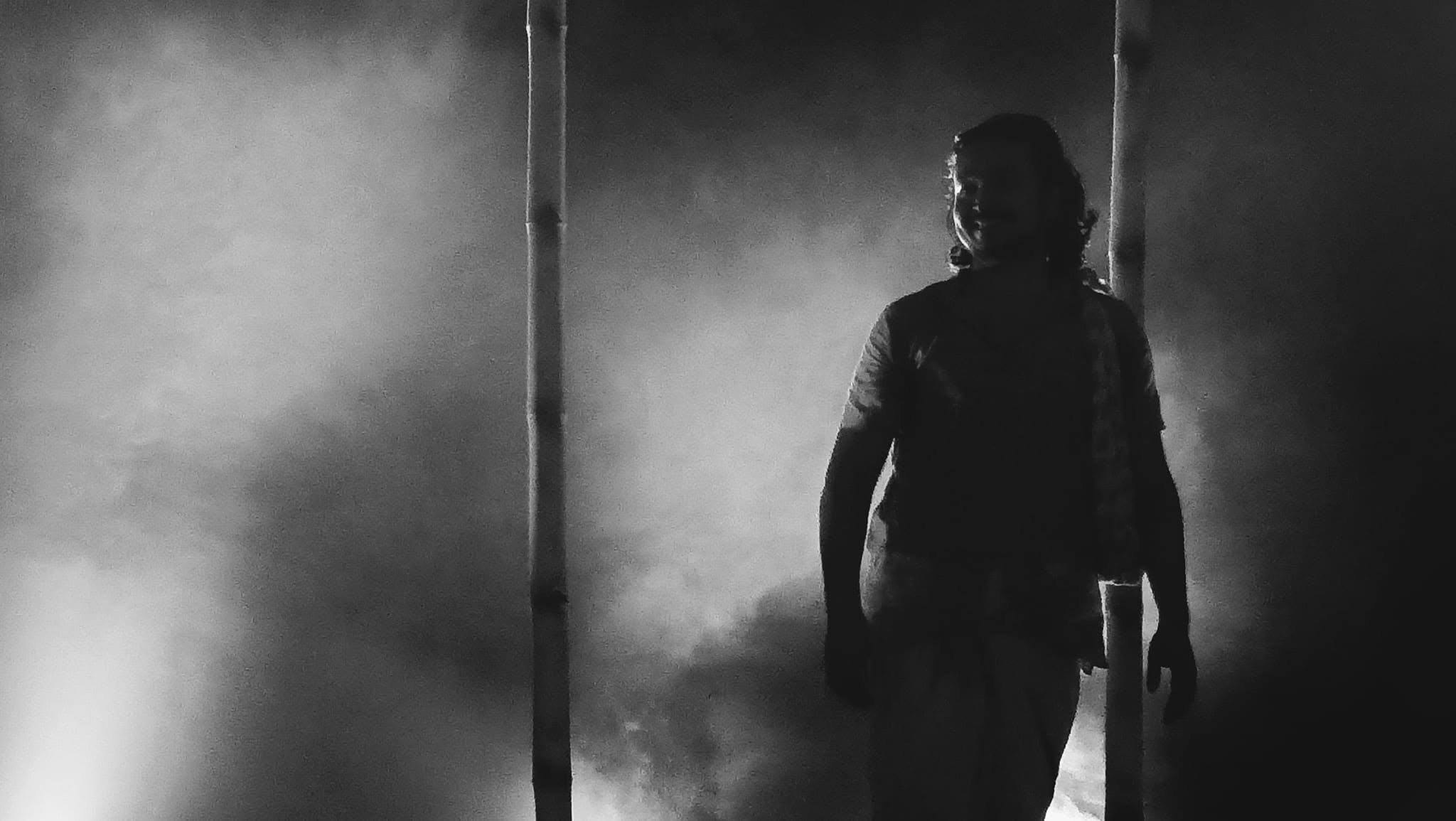
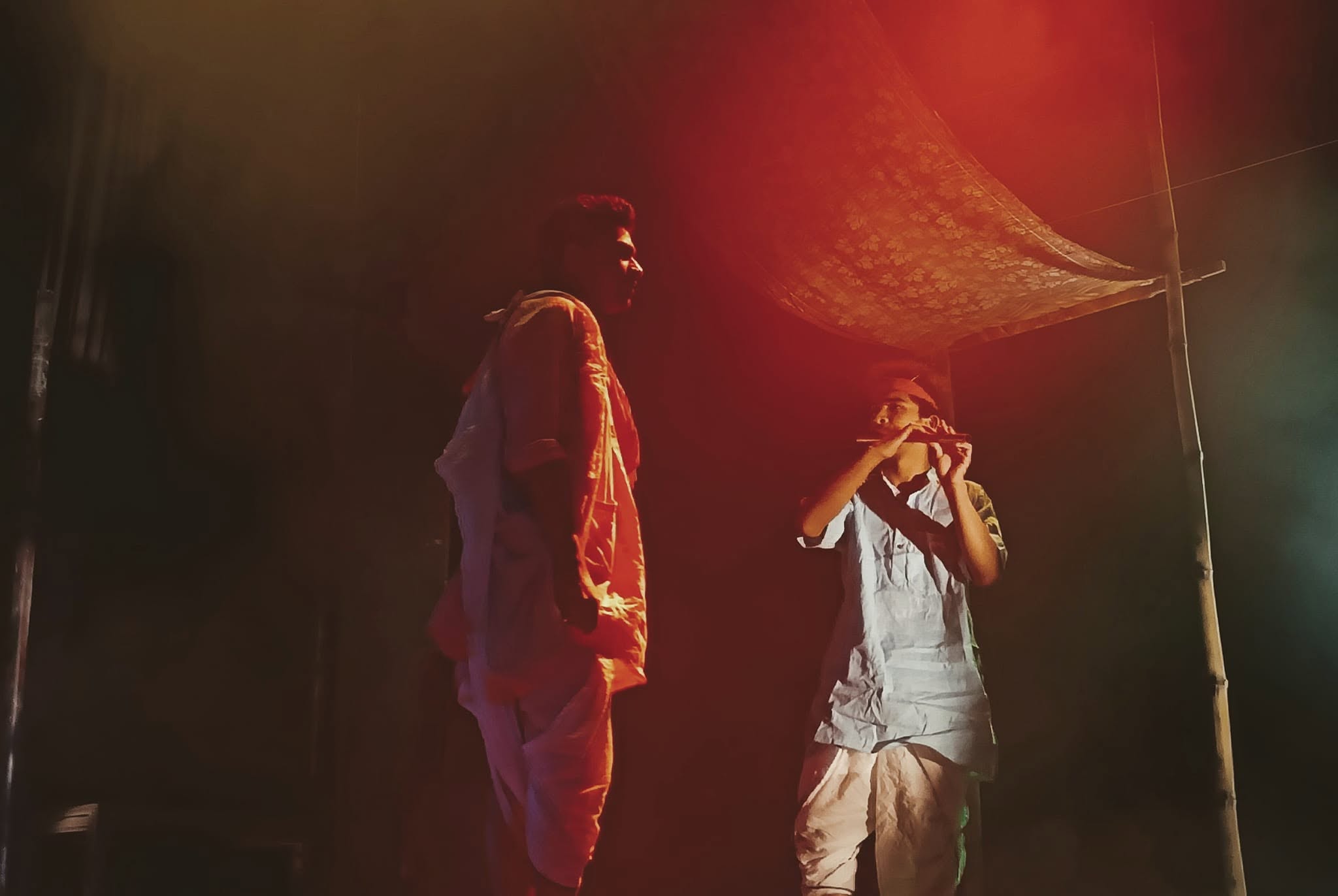
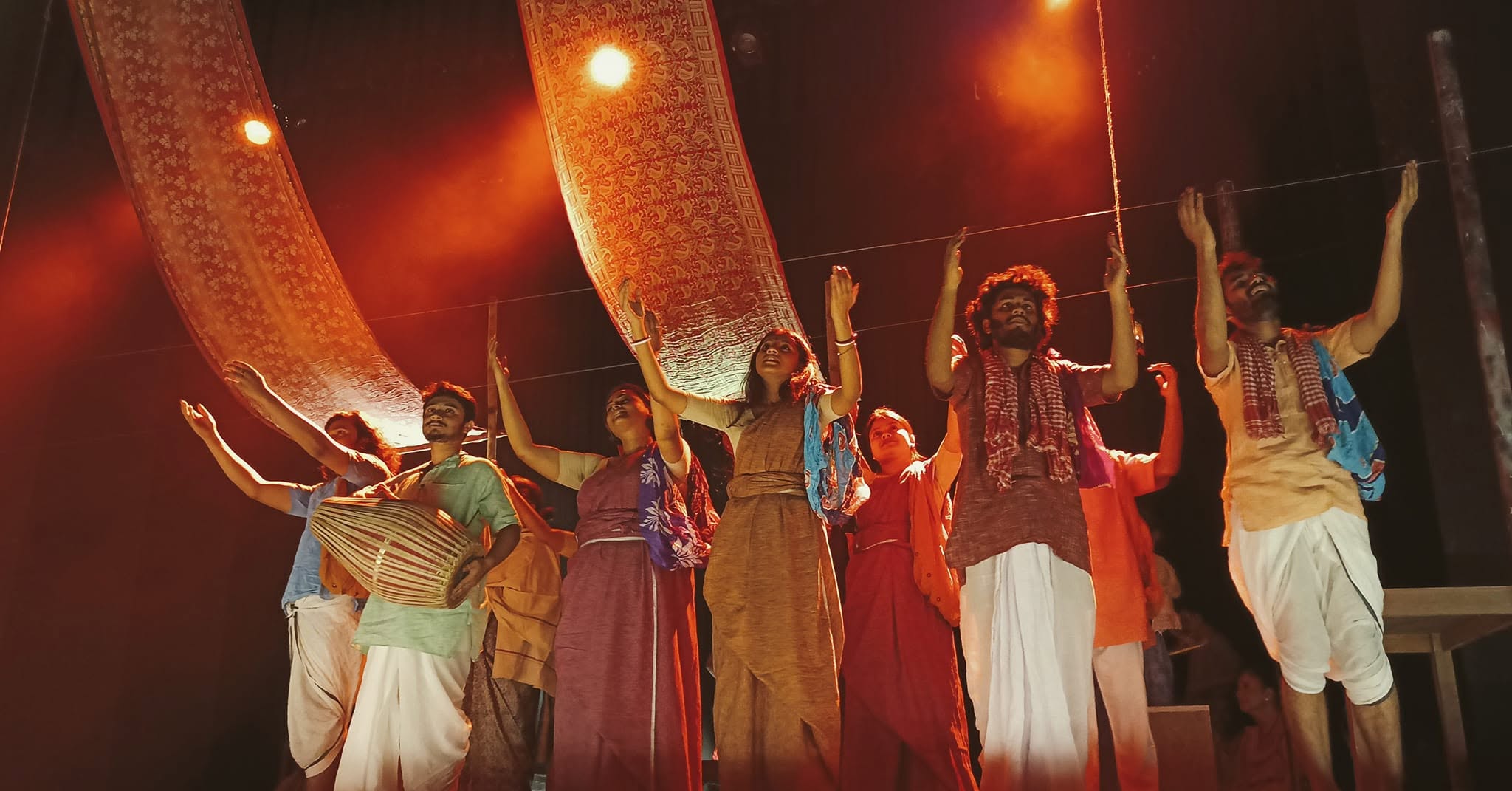
And yet the struggle of this defiant letter-artist slipped quietly out of sight. At a time when there are efforts all around us to make people forget their history by constructing a new one in its place, bringing the story of a Bengali letter-artist to the stage feels, for us as Bengalis, something of a duty, and also an act of homage. Aneek’s production Aksharik, crafted for the stage by Debashis from Rajat Chakrabarti’s novel Panchananer Horof (Panchanan’s Letters), is simply our attempt to fulfil a responsibility: to hold up the endangered Bengali language of today before the Bengali people themselves.
In this age of AI, we have all become masters of everything. The person who, as a child, tore every page out of a school notebook trying to draw a single tree can now conjure an exact replica of the Mona Lisa with one tap of the Enter key. The person who has never so much as touched a harmonium can now produce a viral song. And all it takes is a prompt, a few words typed on the keyboard of a computer or a phone.
But imagine if we had needed to write that prompt some 250 years ago. What would we have done then? There were no computers and no phones, only the printing presses built by the sahibs. And those presses clattered out English letters alone, and how many of us in those days could even read English?
So there was no way forward except through Bengali. But to write in Bengali, one needed Bengali letters. It was precisely to solve this problem that two Englishmen, Nathaniel Brassey Halhed and Charles Wilkins, went searching high and low for an ordinary blacksmith from a village backwater: Panchanan Karmakar. But he was no common smith hammering iron. He was Panchanan Karmakar the letter-maker, through whose masterful craft the Bengali language took on a form as graceful as a village bride. On a canvas of iron plate, with chisel and hammer, he created the very first Bengali letterforms.

