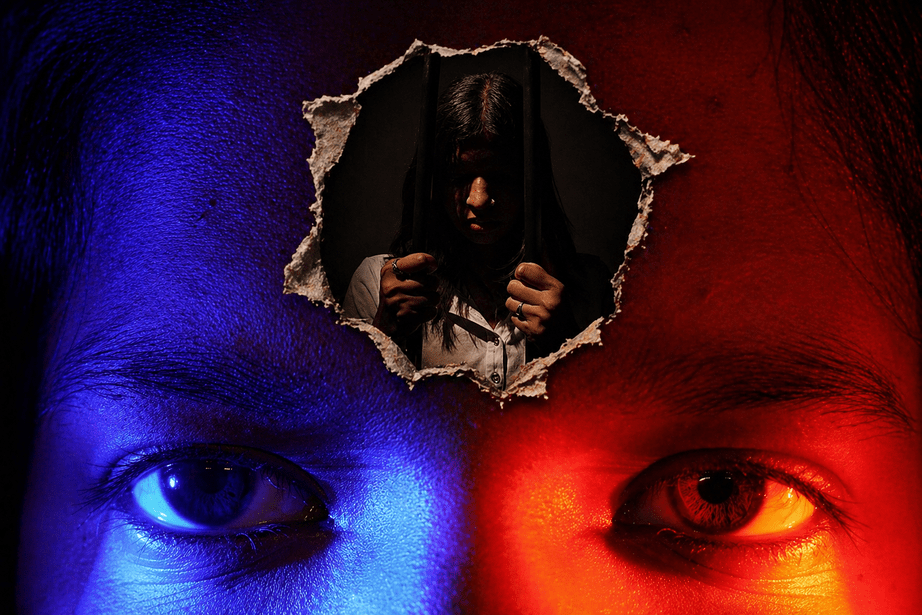
Light is traditionally understood as a tool of revelation. In photography, it is expected to illuminate, define, and make visible the physical world before the camera. This project attempts to move away from that understanding. Instead of using light merely as a source of visibility, The Sound of Light explores light as emotion, disturbance, memory, tension, and psychological presence. Through experiments with light painting, long exposure, shadows, and double exposure techniques, the images attempt to transform light from a passive element into an active participant within the frame.
The idea for this project emerged from an interest in how emotions often exist beyond language. Fear, isolation, anxiety, hope, confusion, and inner conflict rarely appear in direct or literal forms. They remain abstract, fragmented, and unstable. Conventional photography often freezes a moment in time, but long exposure disrupts this stillness. It allows time itself to enter the frame. Movements become traces, bodies become unstable, and light becomes capable of recording emotion rather than merely documenting
appearance.In these images, light behaves less like illumination and more like energy. At times it surrounds the human figure gently, while at other moments it interrupts, divides, or consumes it. The use of red and blue tones repeatedly introduces a visual duality throughout the series. These colours do not function simply as aesthetic choices but as emotional oppositions—warmth and coldness, control and chaos, reality and imagination, presence and absence. The figures within the photographs are frequently isolated, fragmented, obscured, or trapped within shadows and light trails, reflecting the instability of inner psychological states.
The project also explores the relationship between visibility and concealment. In several images, the subject is partially hidden behind darkness, shadows, bars, or layered exposures. This concealment is intentional. Human emotions are rarely transparent; they are often distorted by memory, perception, and internal conflict. Double exposure techniques further reinforce this fragmentation by collapsing multiple realities into a single frame. Rather than presenting a fixed truth, the images embrace ambiguity and encourage multiple interpretations.
The title The Sound of Light originates from the contradiction embedded within the phrase itself. Light belongs to the visual world, while sound belongs to the auditory. Bringing these two together suggests an attempt to visualize what cannot normally be seen. The project imagines light not as silence, but as something capable of speaking, echoing, and carrying emotional weight. The trails, pulses, shadows, and distortions within the photographs become visual equivalents of noise, memory, and emotional resonance.
Many of the images deliberately avoid realism. Instead, they create spaces that feel dreamlike, theatrical, or psychologically constructed. This departure from realism allows the photographs to operate less as records of reality and more as expressions of internal states. The camera becomes not just a recording device but a medium for visual experimentation. Long exposure transforms movement into gesture, while light painting allows the invisible path of motion to remain permanently suspended within the frame.
Ultimately, this project is not an attempt to photograph light itself, but to explore what light can represent beyond illumination. Through distortion, exposure, movement, and fragmentation, The Sound of Light attempts to create a visual language where light becomes emotion made visible.
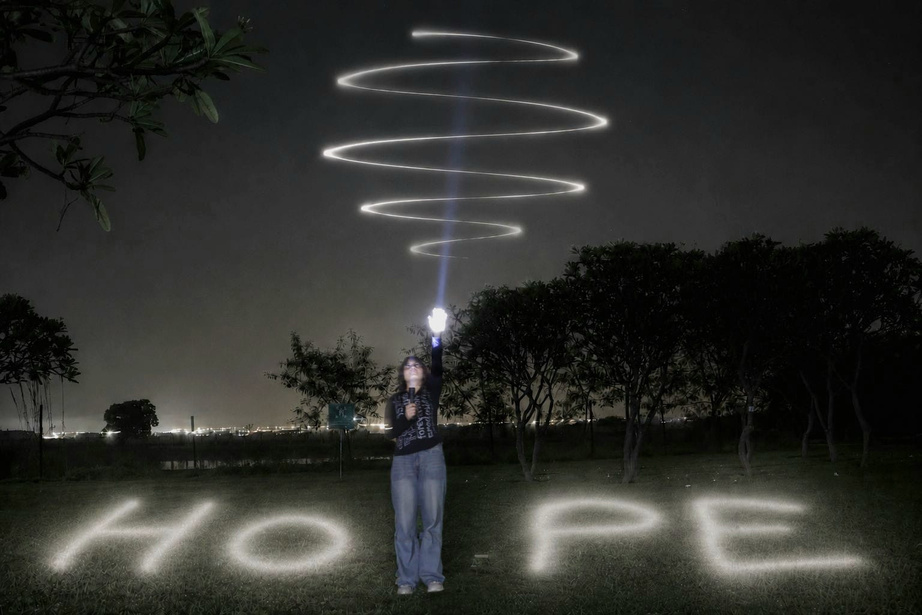
“Light first appeared as possibility—weightless, playful, and infinite.”
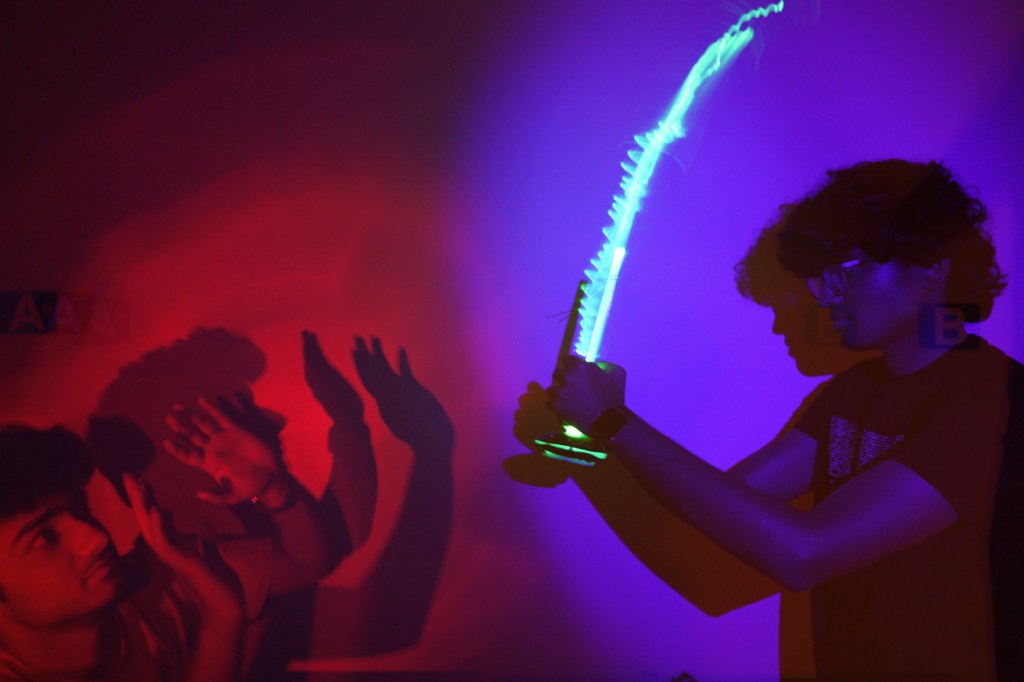
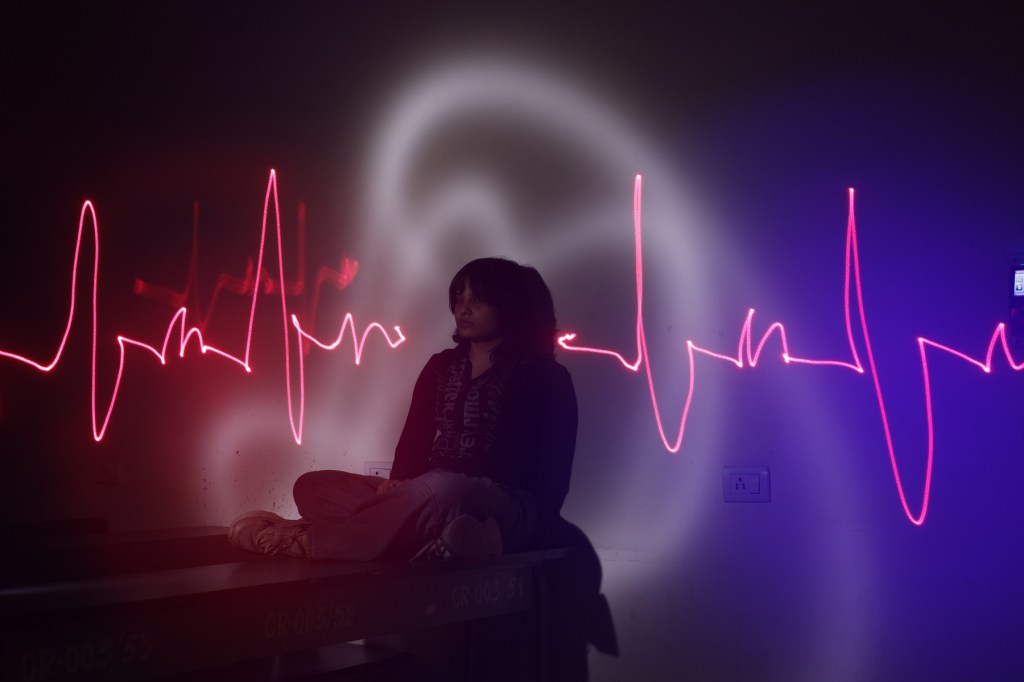
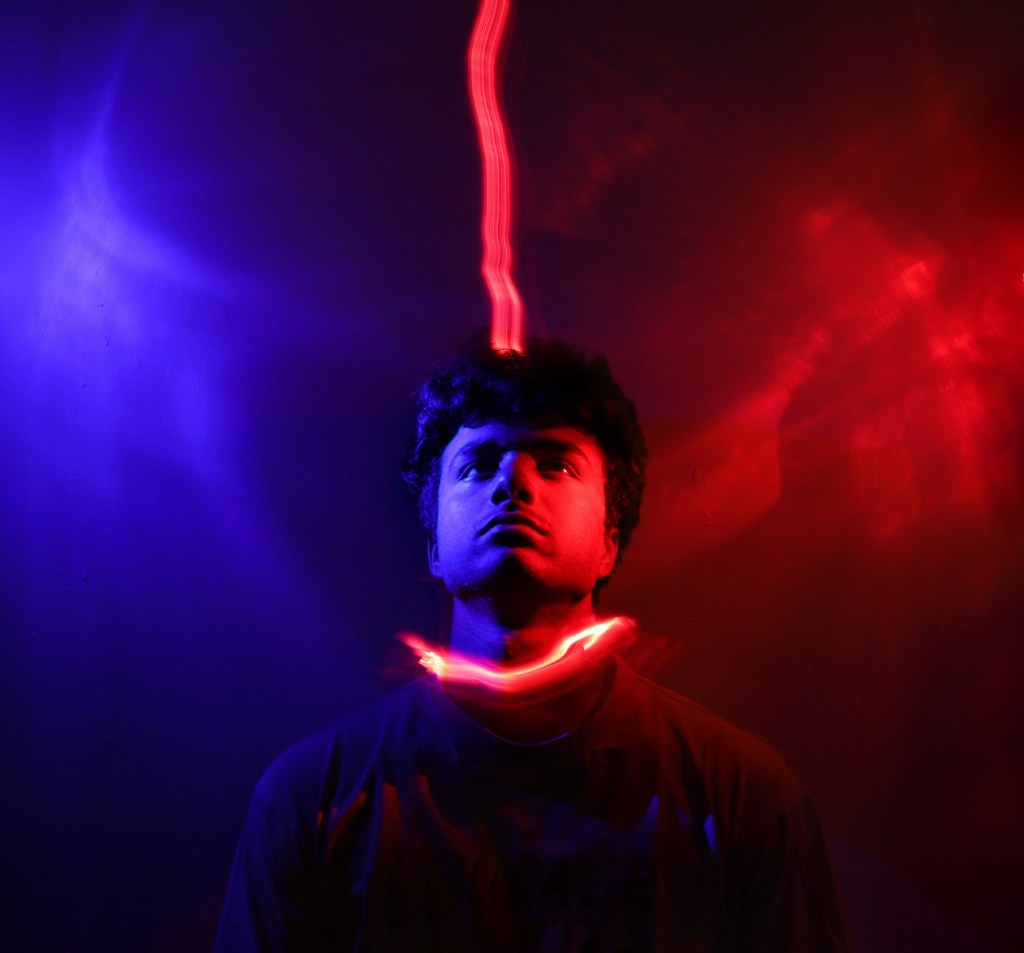
“Certain violences exist silently, long before they become visible.”
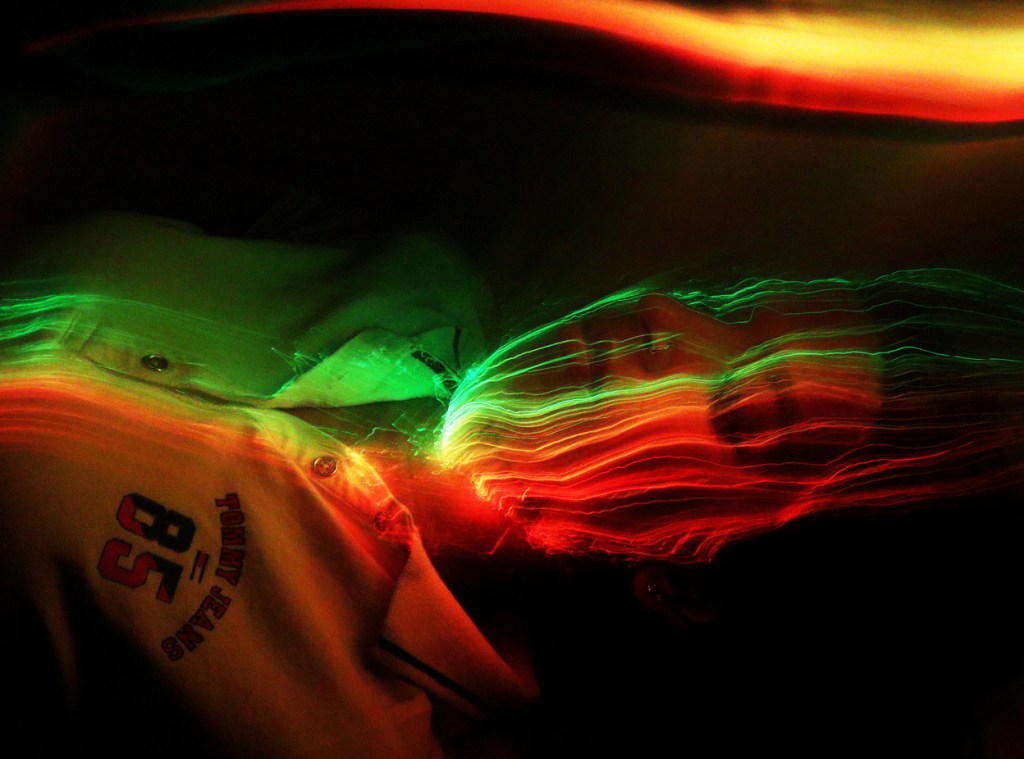

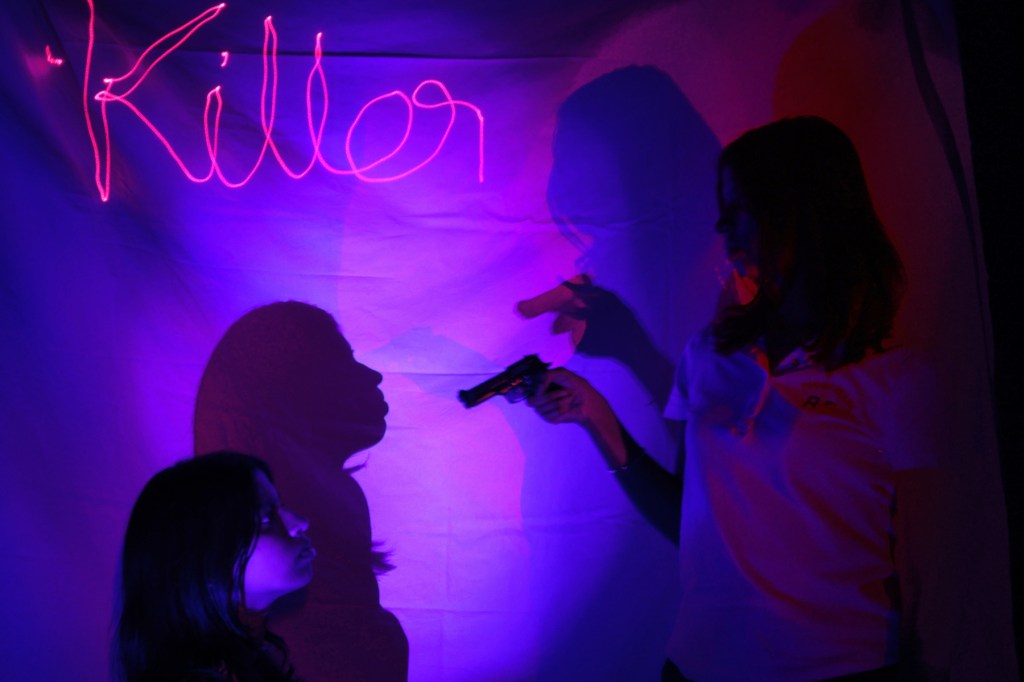
The images within The Sound of Light do not attempt to resolve the tensions they create. Instead, they remain suspended between revelation and concealment, where light behaves simultaneously as witness, emotion, and disruption. Through long exposure and layered visual construction, the project moves beyond documentation and enters a space where light becomes capable of carrying psychological and emotional weight. What remains visible within these frames is not merely the subject before the camera, but traces of instability, memory, fear, and human presence itself.