

During a recent trip to Kerala, I spent nine days at an Ayurvedic ashram undergoing detoxification and therapeutic treatment. Each day followed a disciplined routine: two hours of therapy sessions and five doses of herbal medicines prescribed by the resident doctor. As part of the programme, we were also taken on a guided visit to the ashram’s medicine factory, where the entire production process was demonstrated—from the sourcing of raw herbs to the final packaged tablets ready for consumption. During the factory visit, I began photographing the stages of production to document the journey of a single tablet, tracing its path from origin to end use. The series opens with images of raw medicinal plants, followed by grinding, formulation, packaging, and storage. It then shifts to a more personal register: my sister receiving the medicine from the staff, opening the packet, and consuming it as instructed. On the surface, these images present a straightforward and honest narrative of wellness, discipline, and traditional healing. However, inspired by the concept of truth falsification explored in Blow-Up, I chose to reinterpret the same images to construct an entirely different narrative. Through selective framing, sequencing, and the addition of suggestive captions, the series is transformed from a record of treatment into a fabricated story of control and addiction. The close-up photographs of the tablets are central to this shift. Isolated and abstracted, they begin to resemble narcotic pills rather than natural remedies. In this altered reading, the medicines symbolise substances that do not heal but instead induce dependency—slowly dulling the body and mind, rendering patients passive, compliant, and reluctant to leave the ashram.
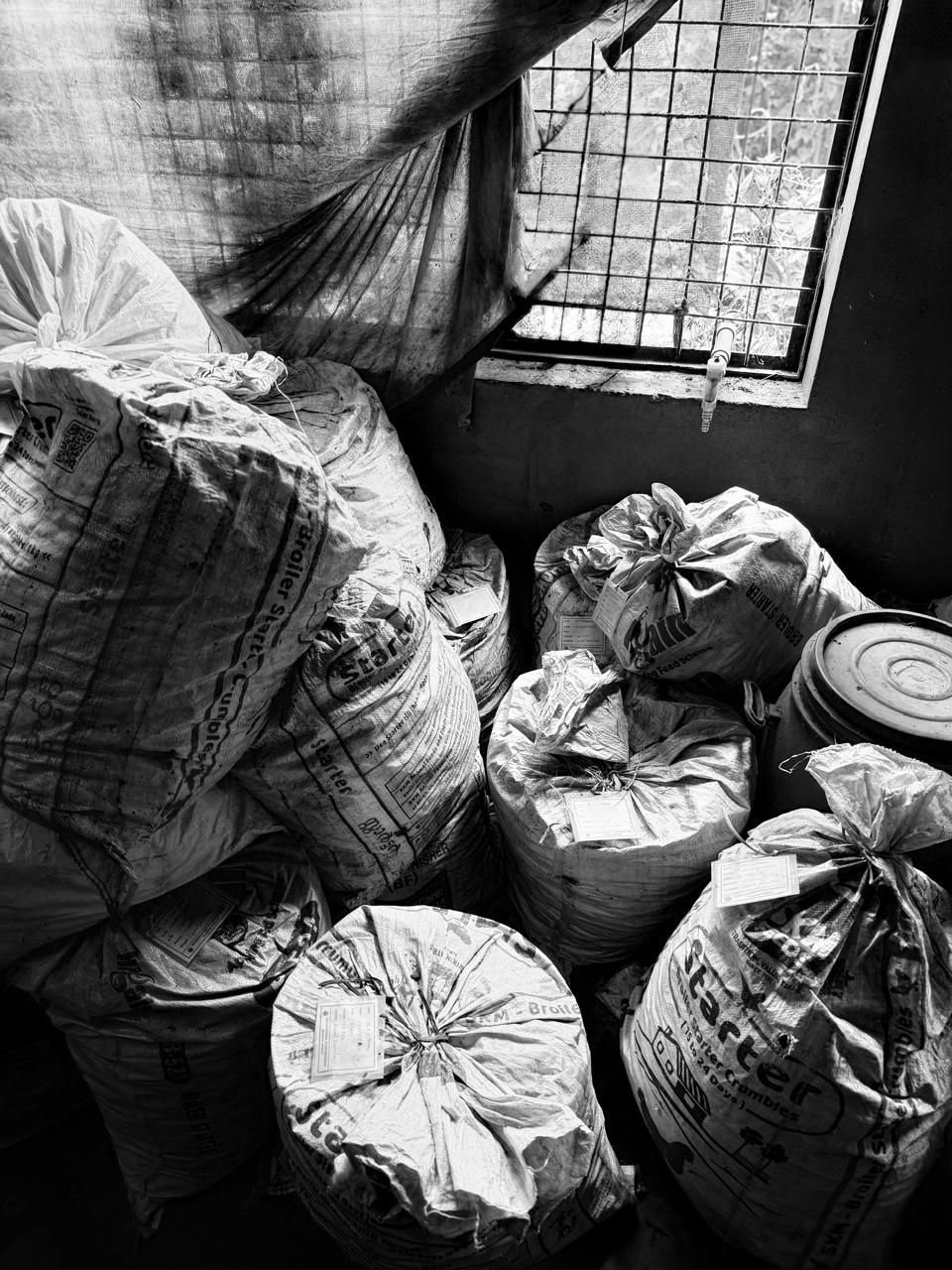
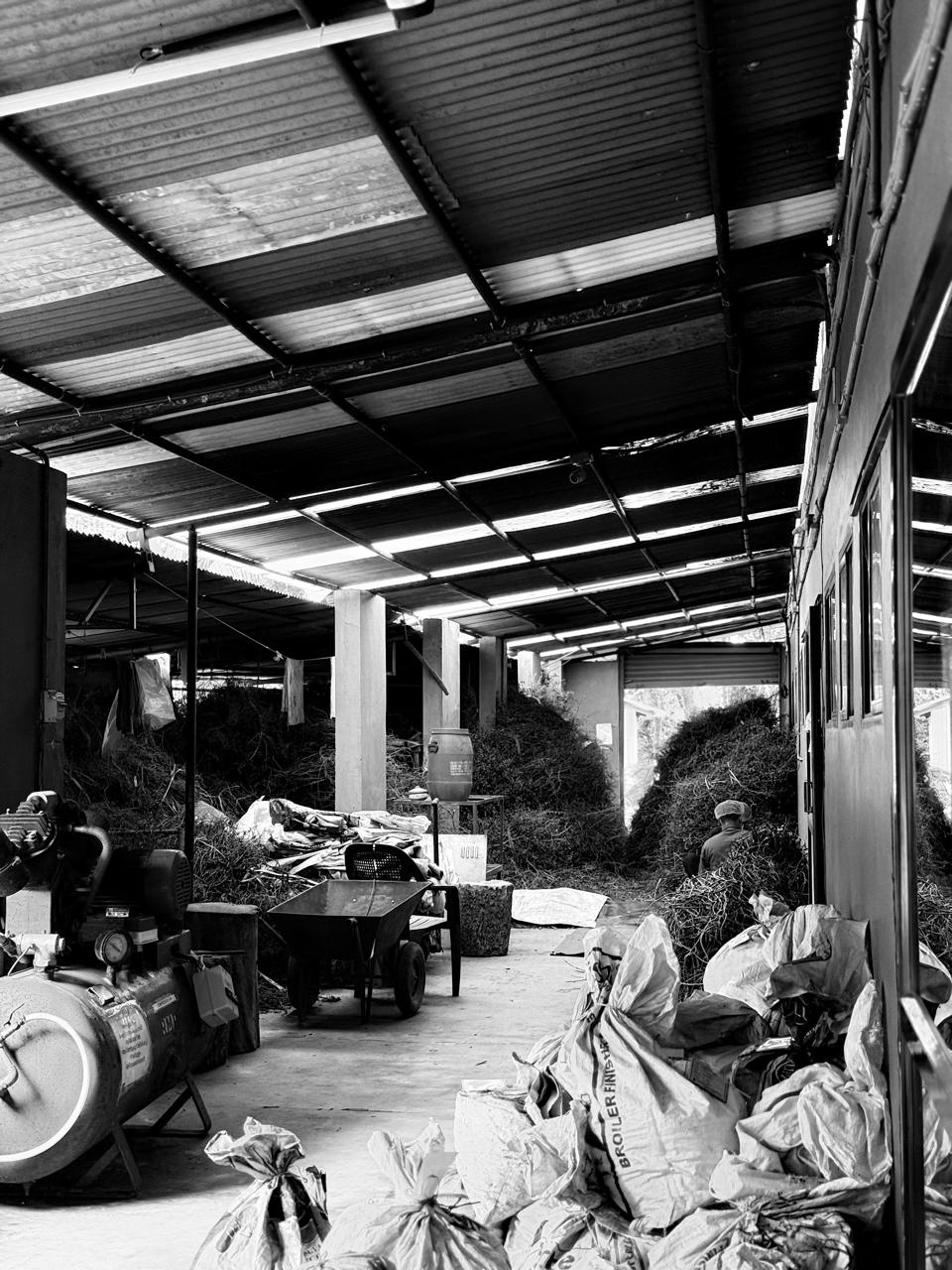
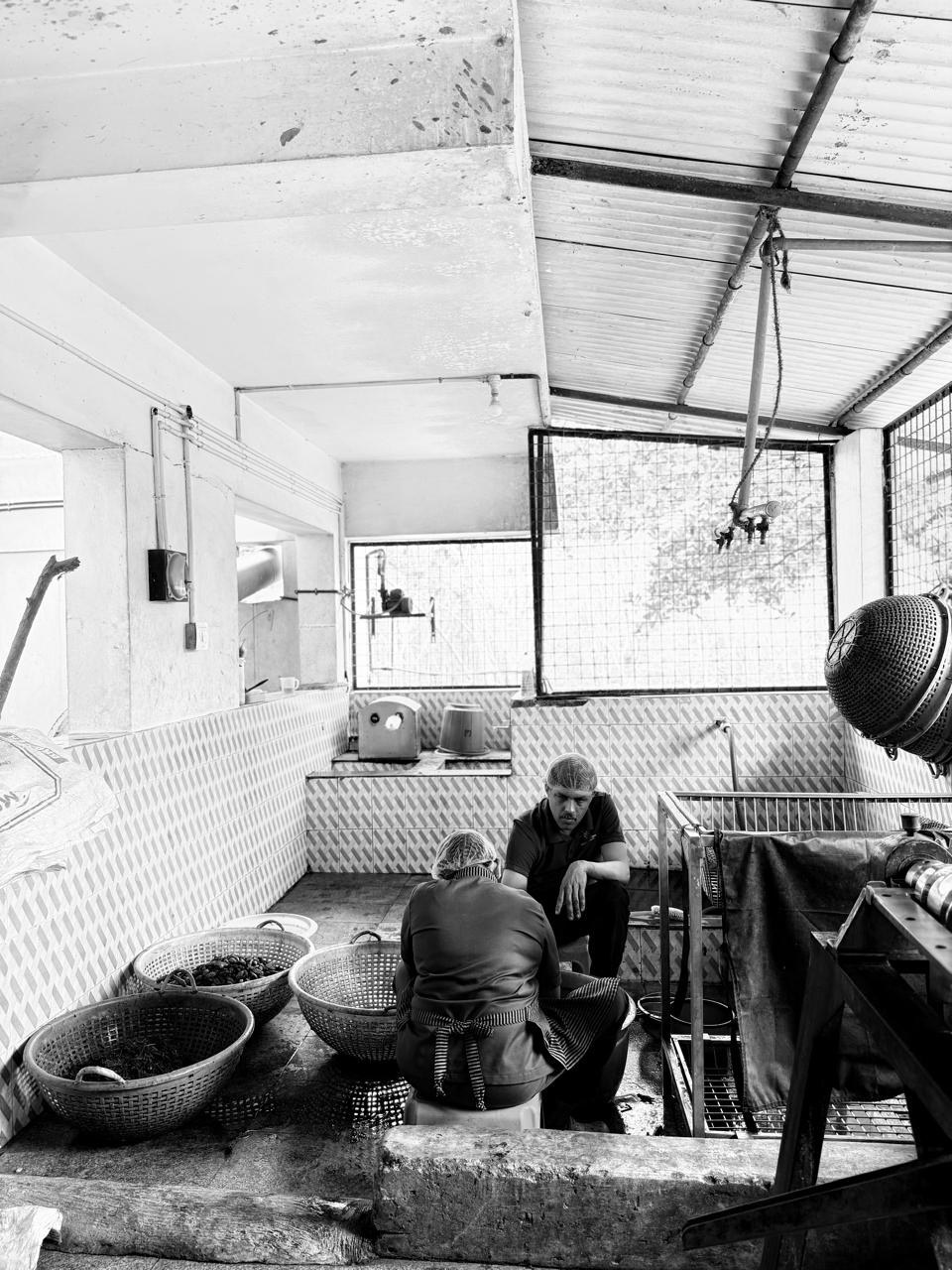
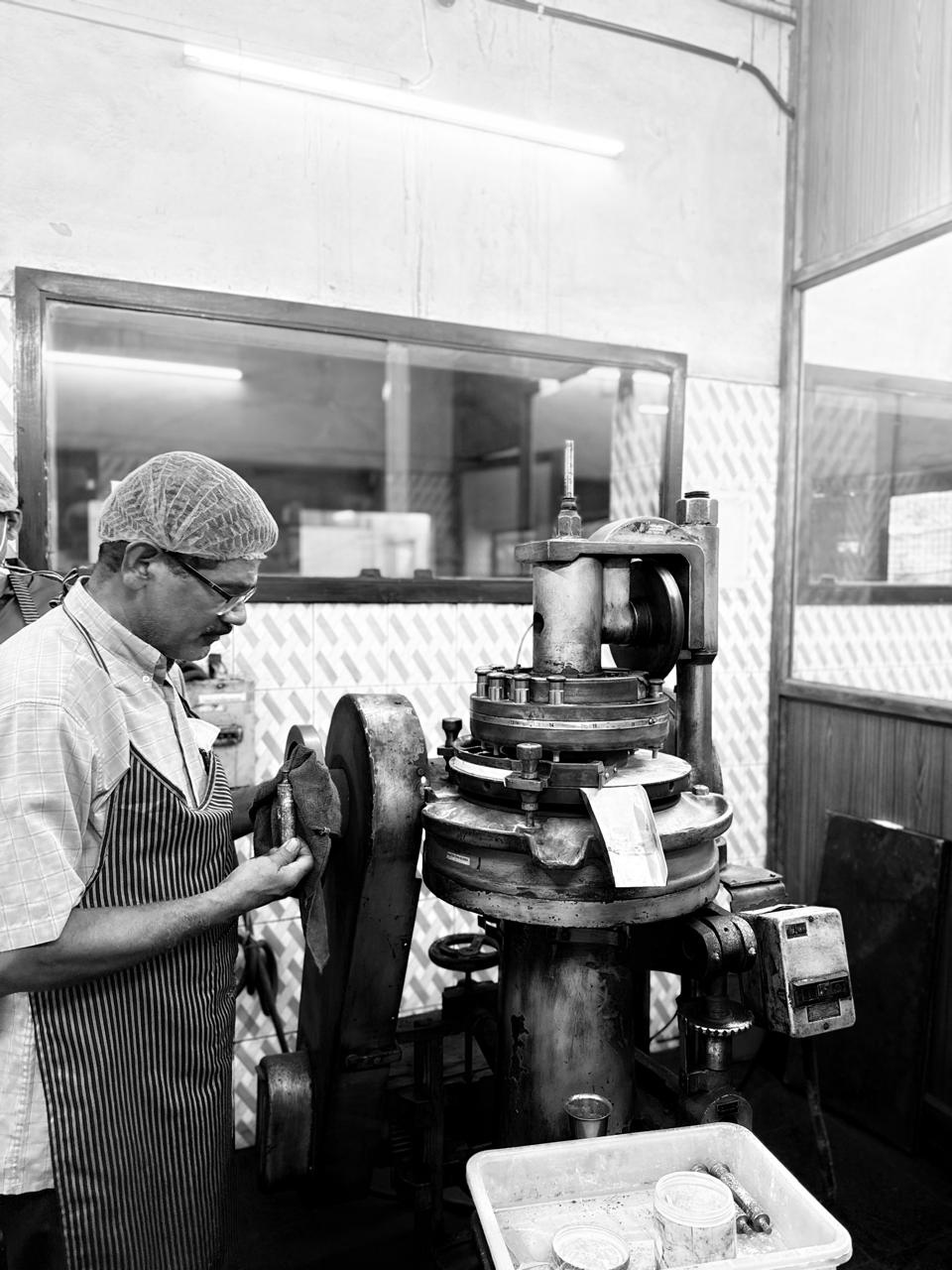
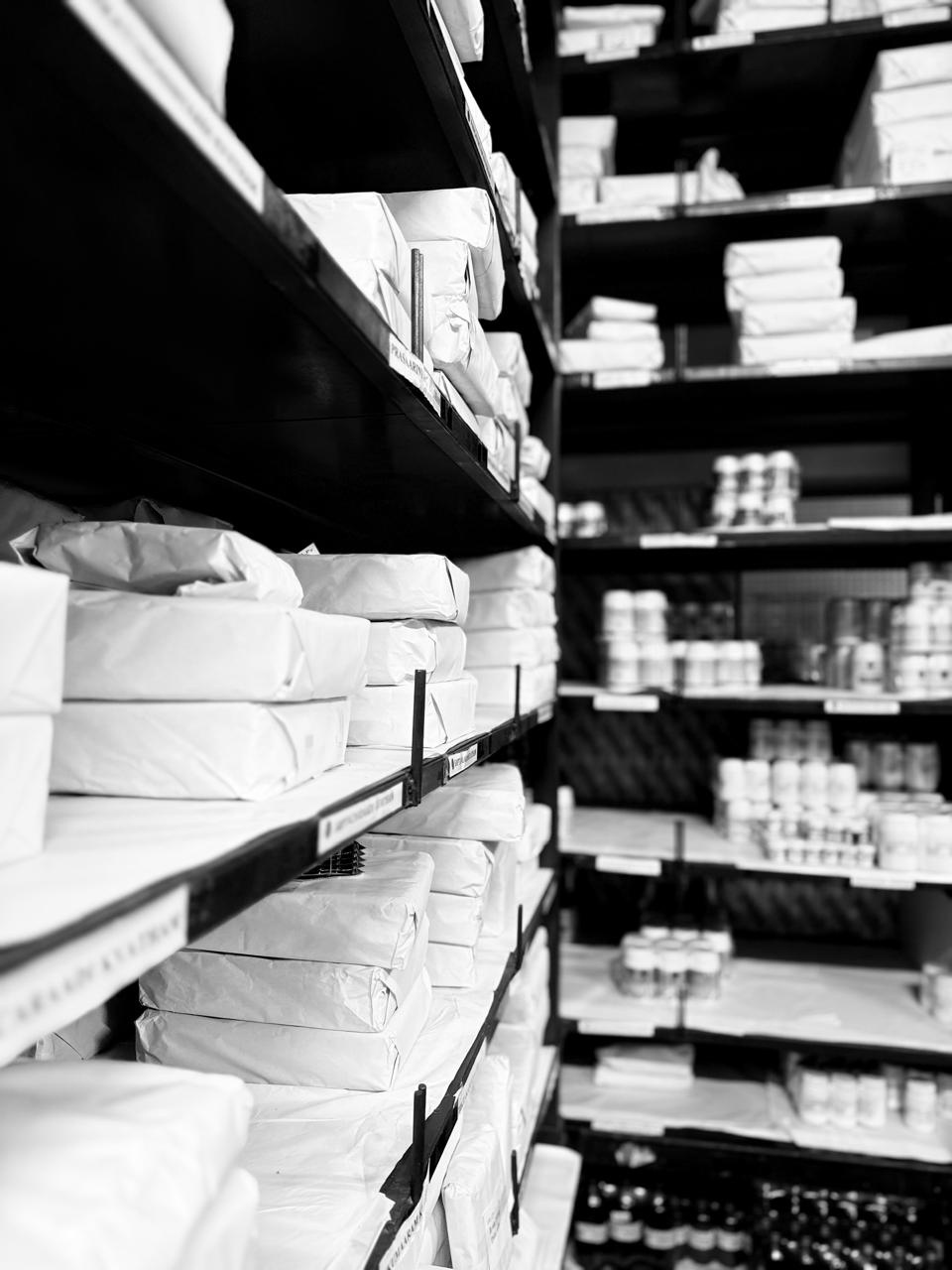
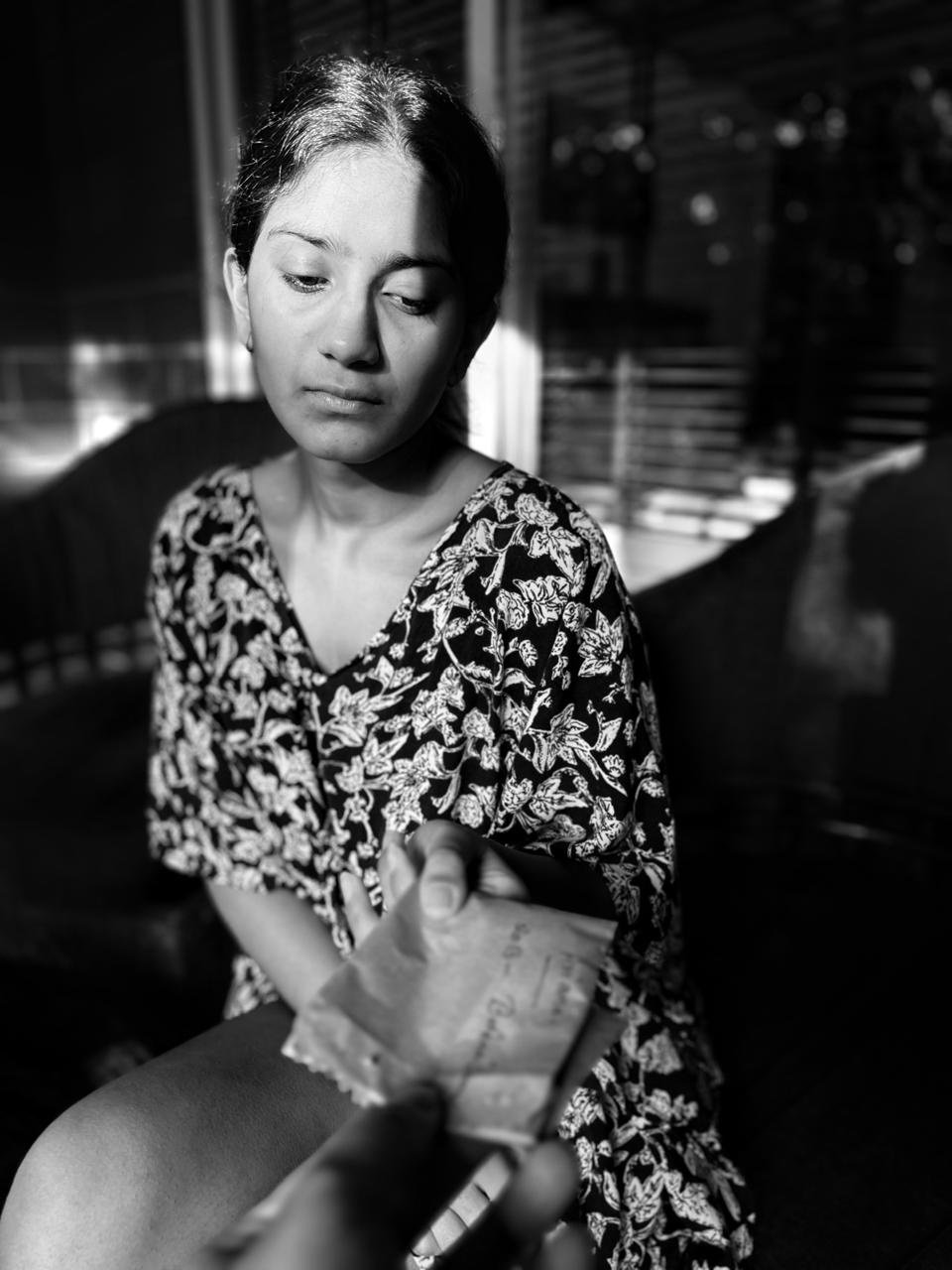
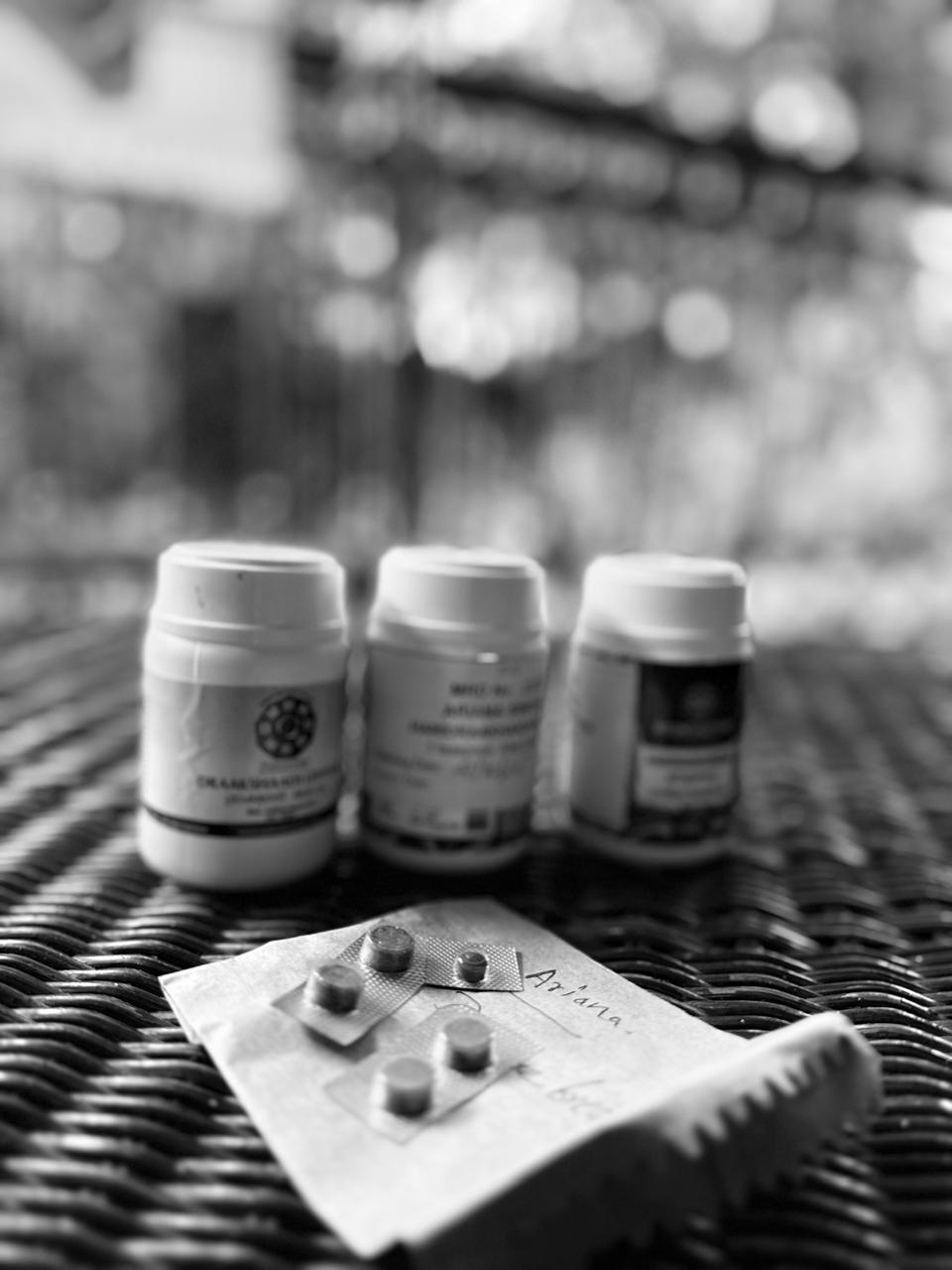
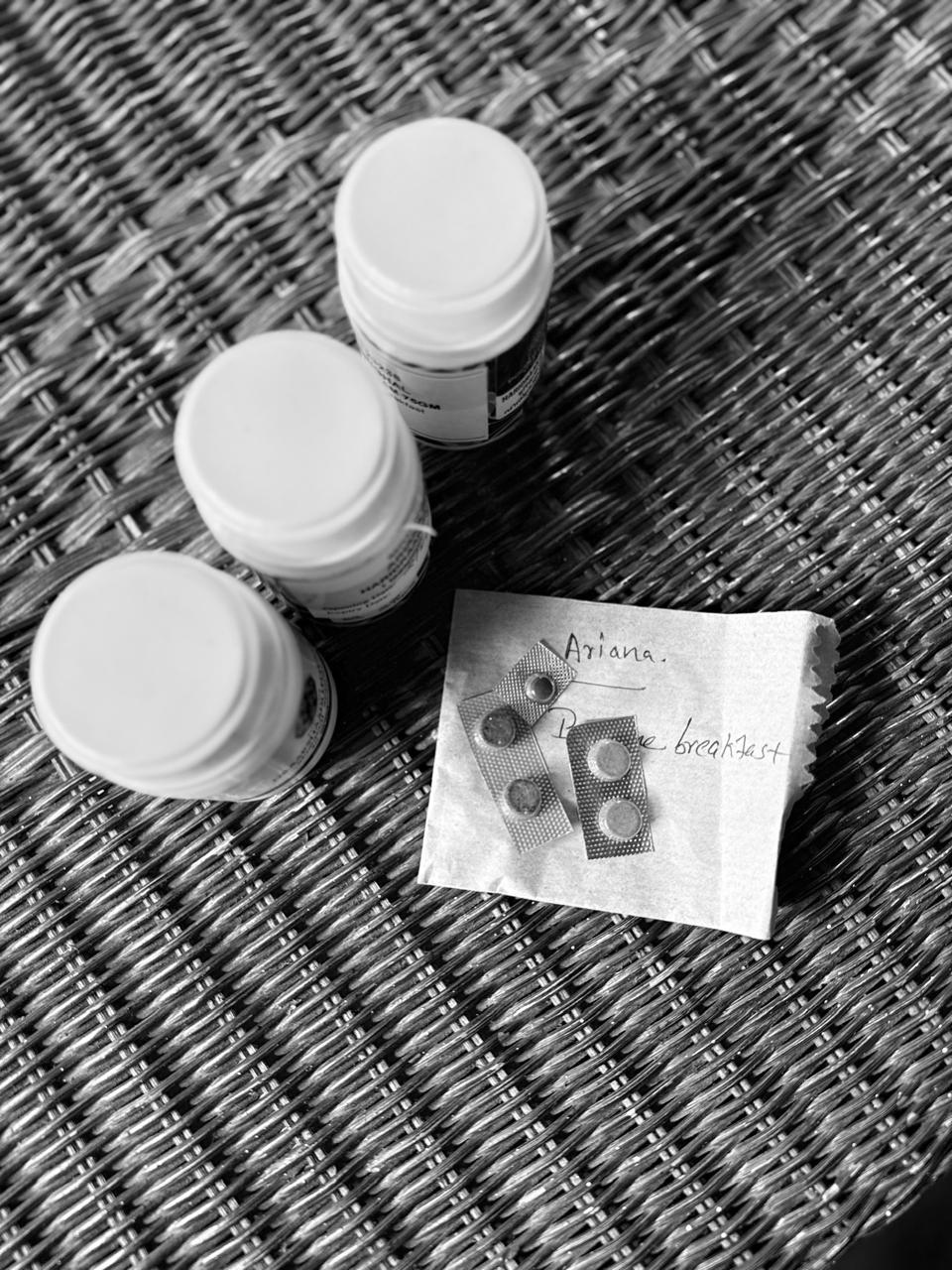
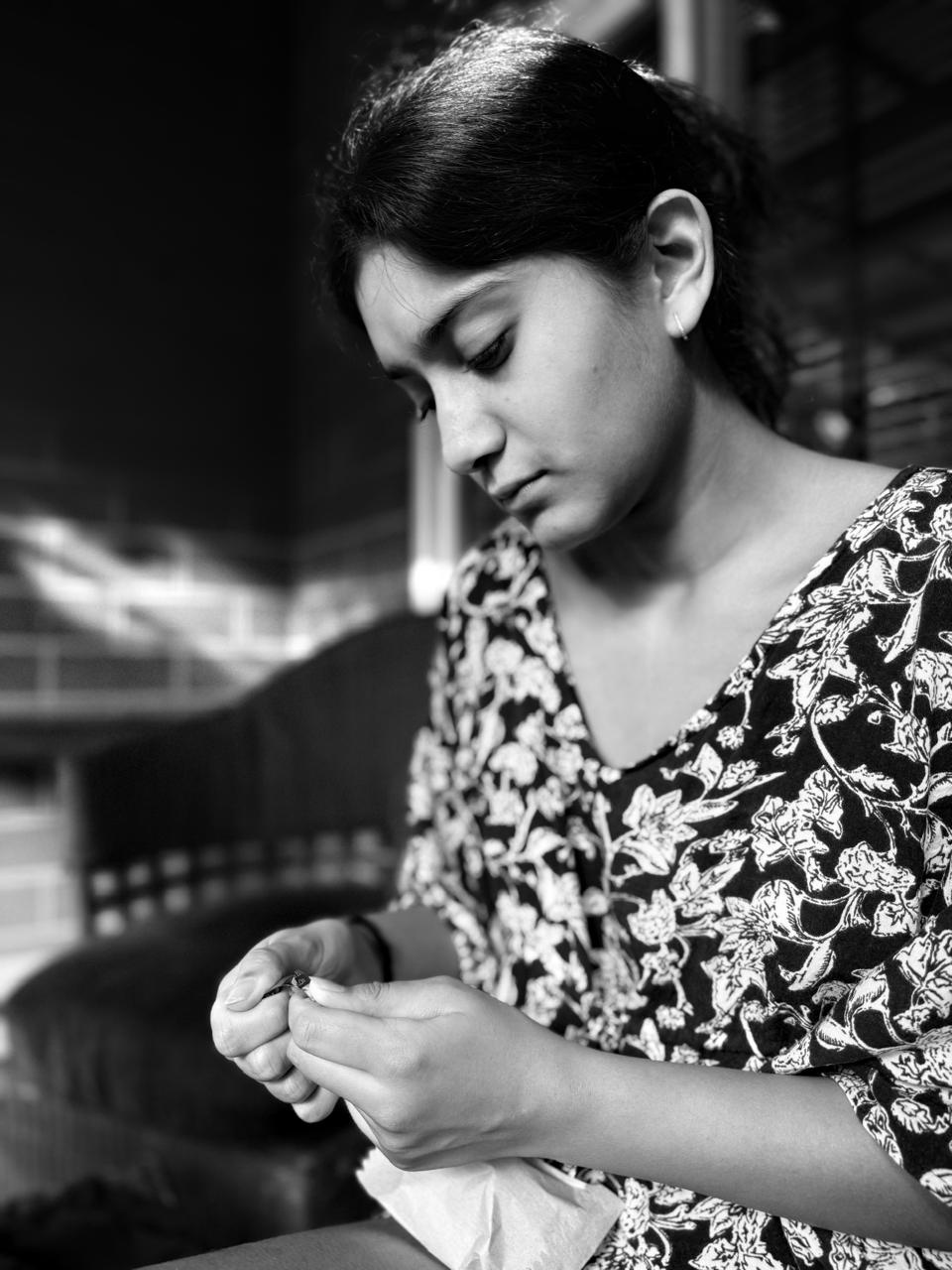
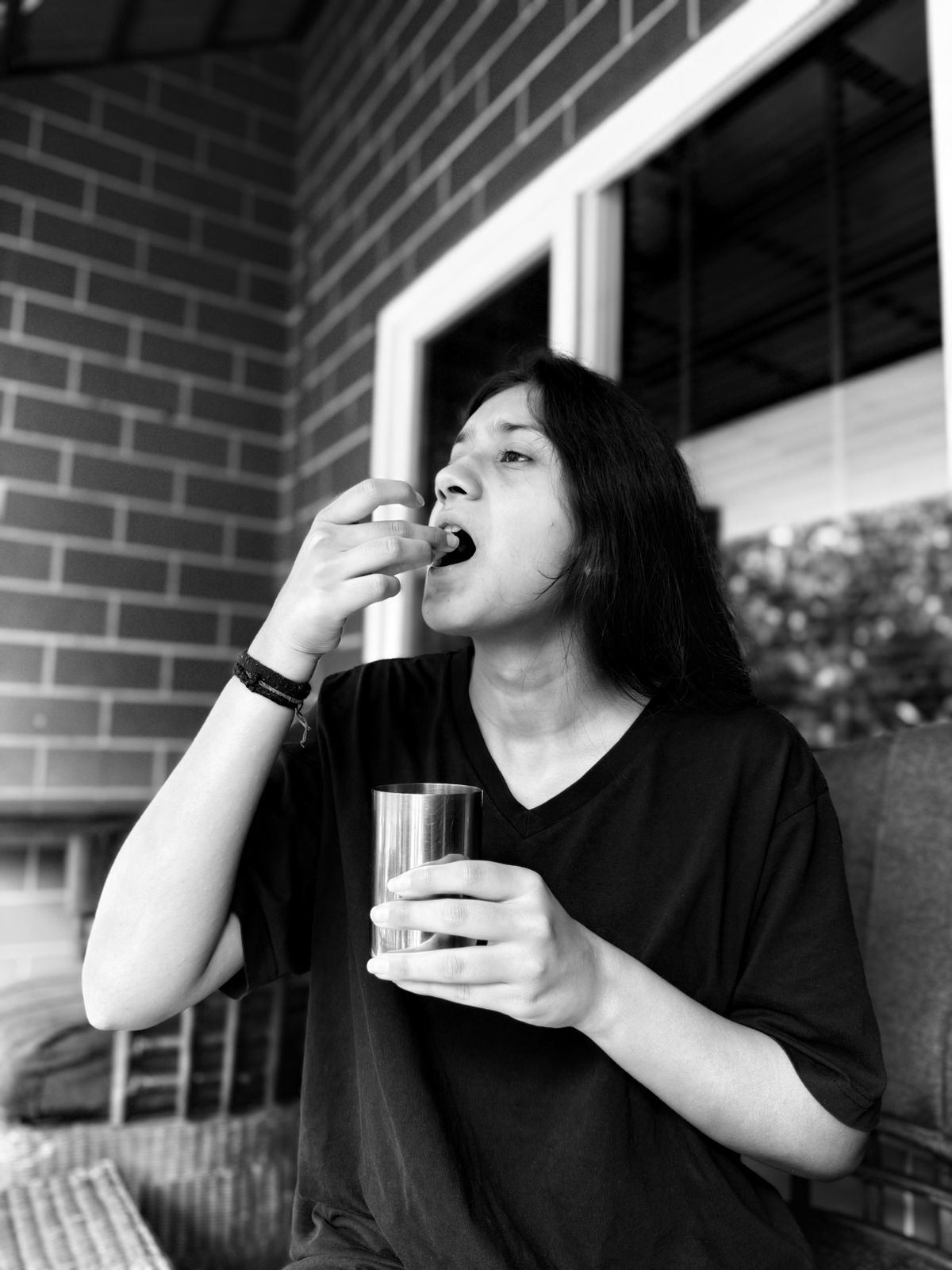
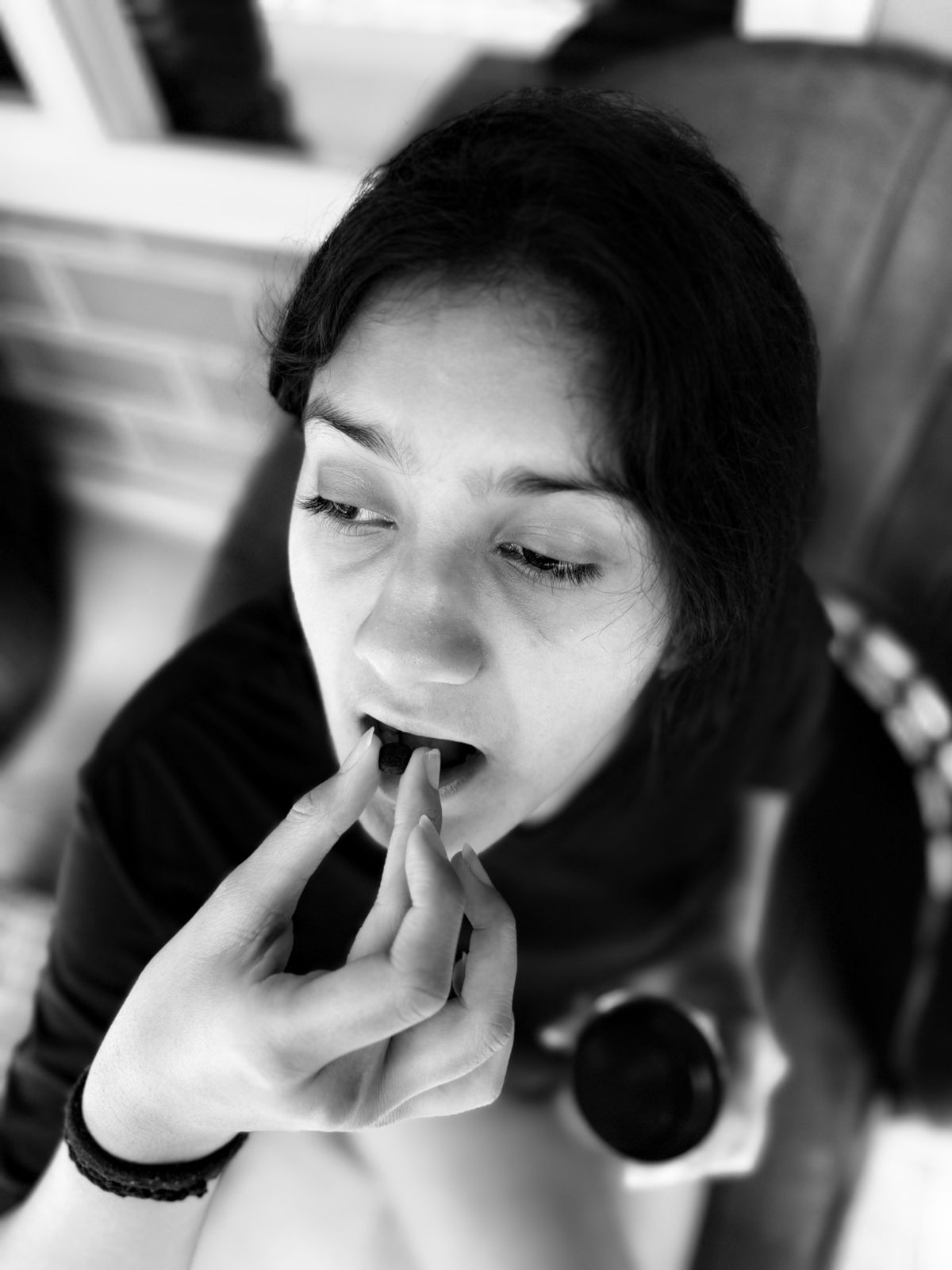
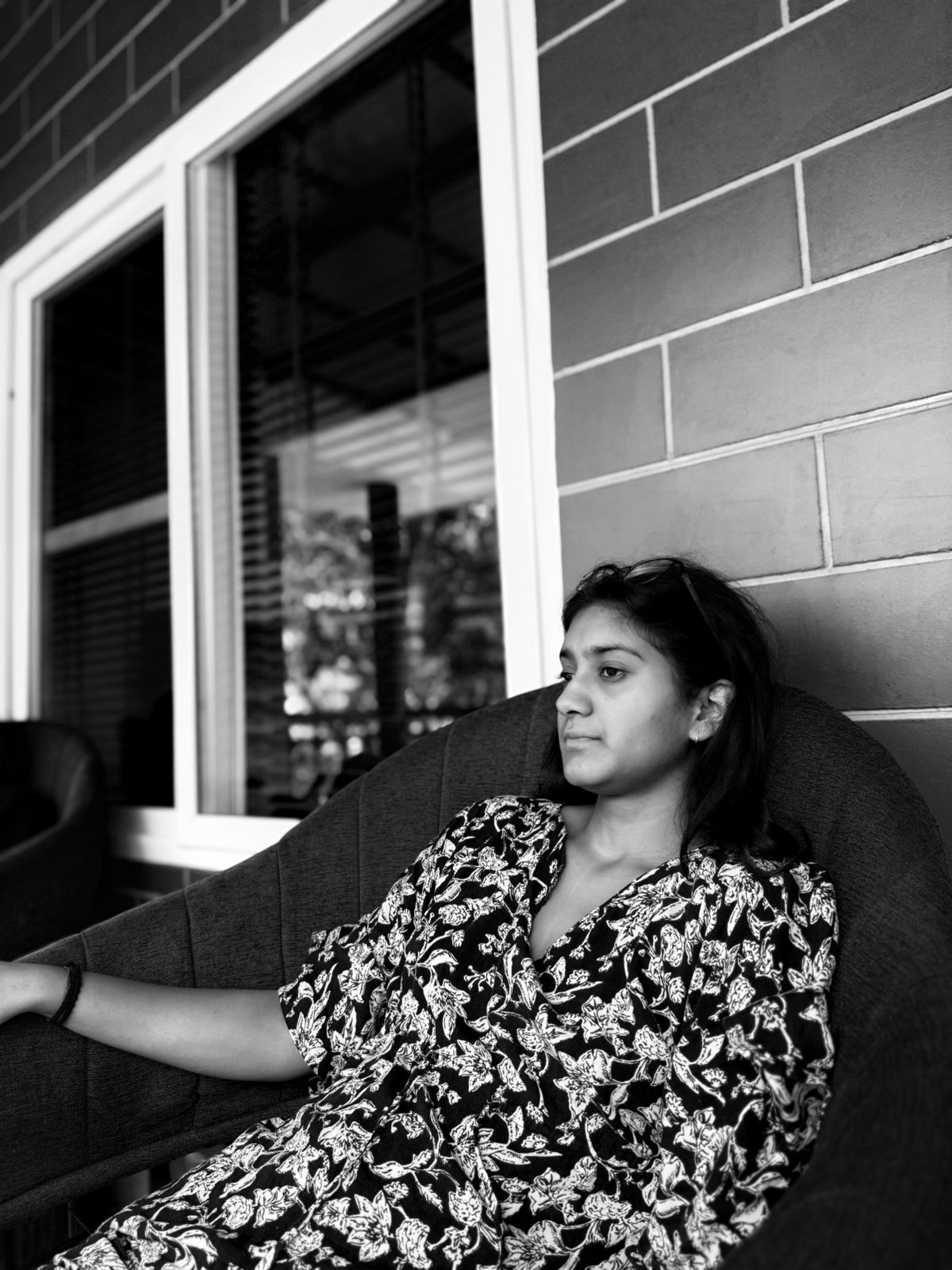

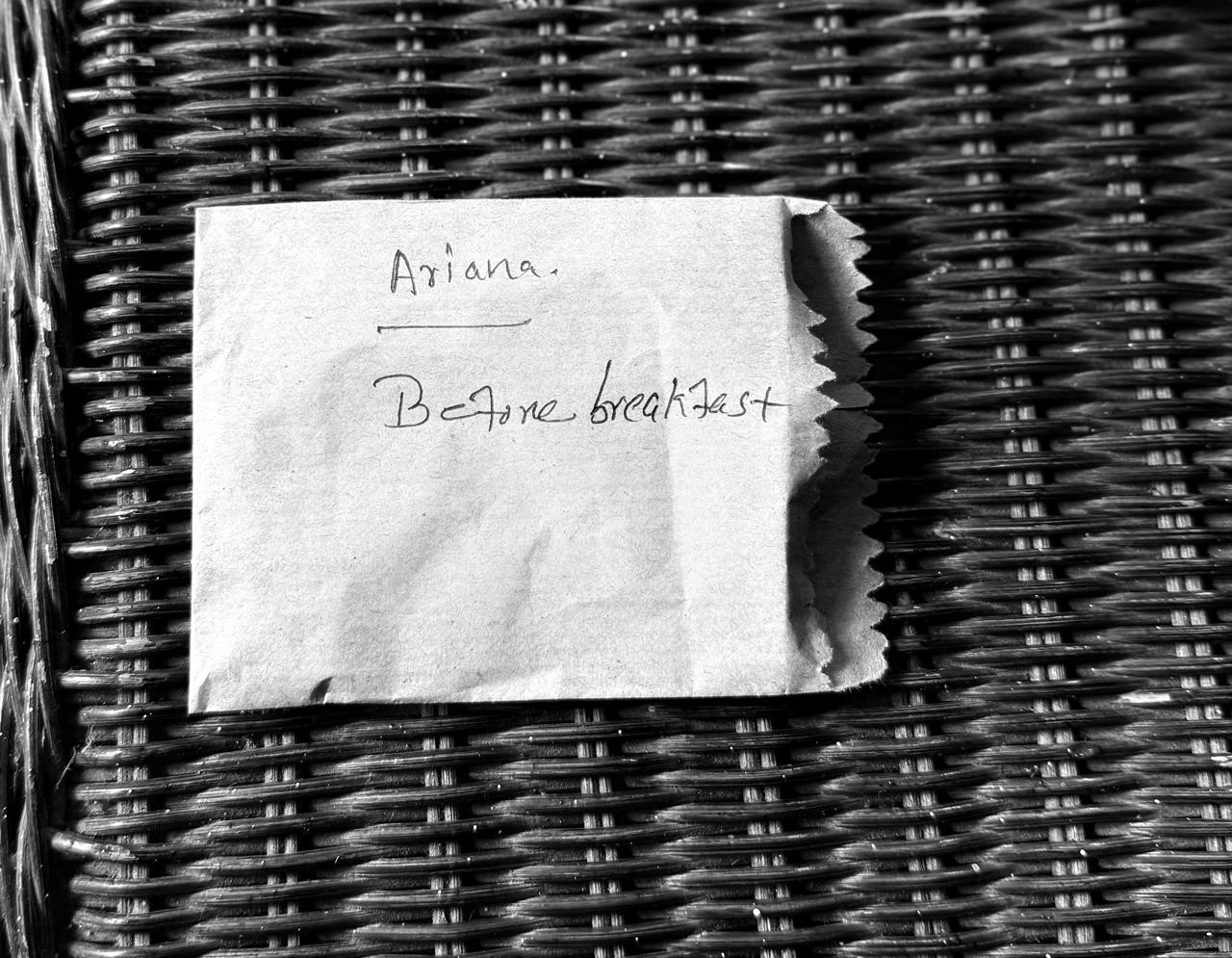
This reimagined narrative extends into the portraits of my sister. In several frames, her expression appears distant and fatigued, suggesting emotional withdrawal and loss of vitality. These visual cues are deliberately used to imply the imagined side effects of the “drug”—not restoration, but gradual depletion. Even the act of receiving the medicine packet takes on a darker tone, conveying hesitation and quiet distress rather than care. The series concludes with a close-up of the medicine packet bearing her name and the instruction “Before Breakfast.” This final image functions as a chilling endpoint, implying routine administration and personal surveillance. While each packet is individually labelled, the uniformity of the process suggests a system of quiet control, where individuality is acknowledged only to enforce conformity. Through this photo series, I aim to demonstrate how photographic truth can be easily reshaped and misrepresented. By altering context and narrative framing, a benign and therapeutic process can be recast as something unsettling and sinister—revealing the fragile boundary between documentation and deception.
 DoubleSpeak