

Romanticising struggle is a complicated concept, isn’t it? It can offer hope, but it can also distort reality. Every day, people work relentlessly just to get by. They move through crowded stations, packed trains, and traffic-heavy roads, spending hours of their lives not chasing grand dreams, but managing survival.
Getting from one place to another, enduring long hours, and working in difficult conditions is not an aesthetic. It is a necessity. It is about meeting essential needs—affording a decent meal, keeping a roof over one’s head.
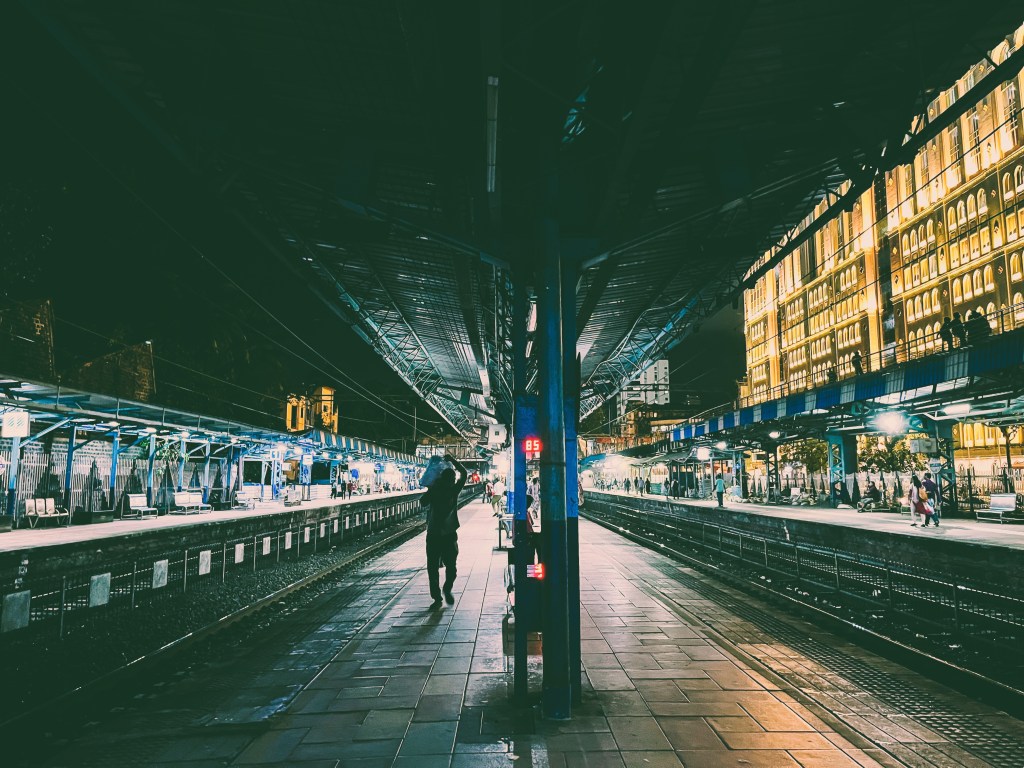

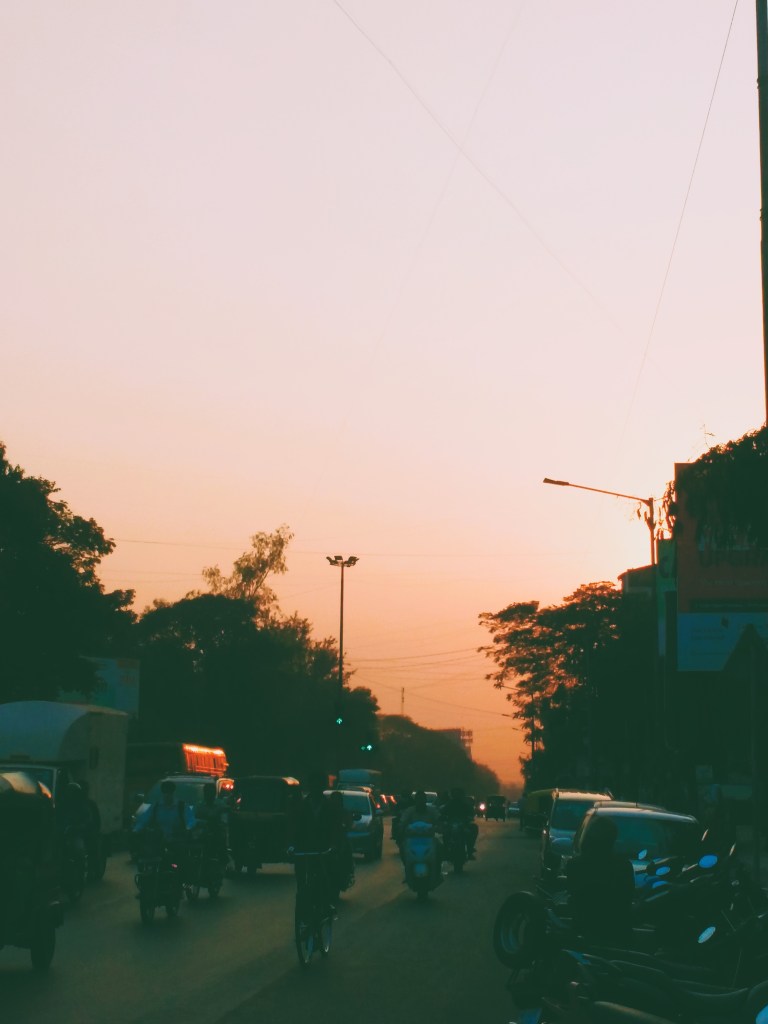
We live within systems that rarely empower. Instead, they preserve a status quo that favours those already in privileged positions. The result is a vast imbalance between effort and reward. For most people, struggle is not a temporary phase; it is a constant way of life. The celebrated stories of “underdogs” who rise against all odds are not proof of fairness; they are exceptions in a rigged game.
Yet these stories are amplified because they help us believe in a kinder future—one where hard work is always rewarded and life eventually becomes easier. This narrative can be comforting. But it can also be dangerous. When hope becomes detached from reality, it risks turning into denial or eventual heartbreak.
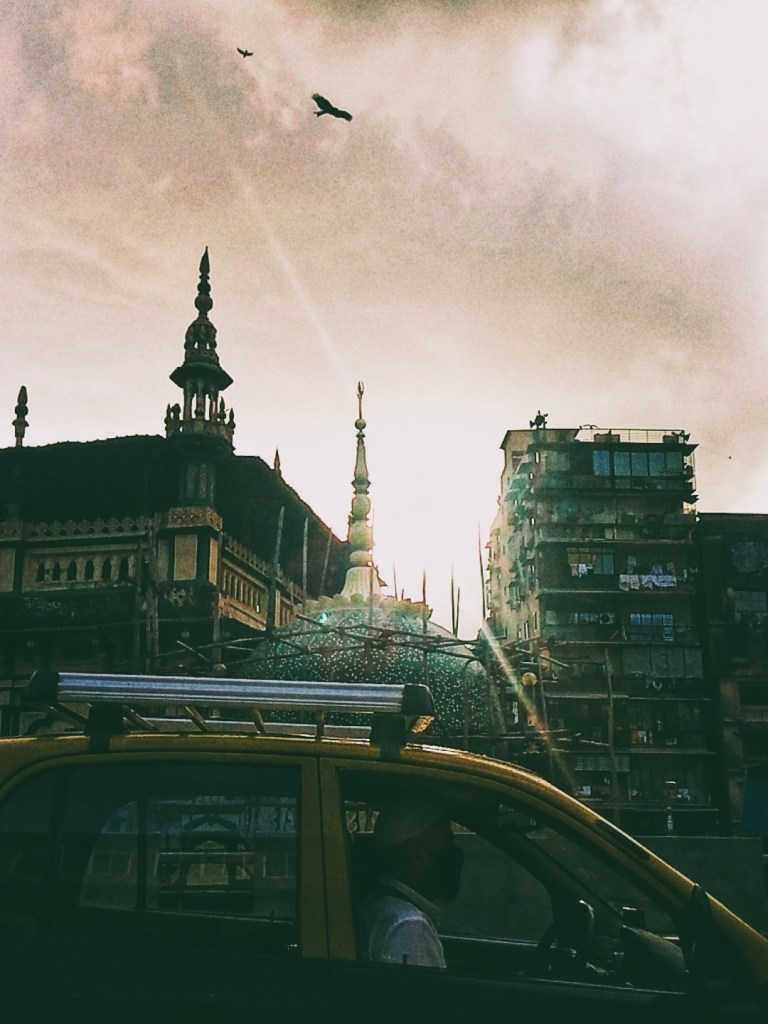
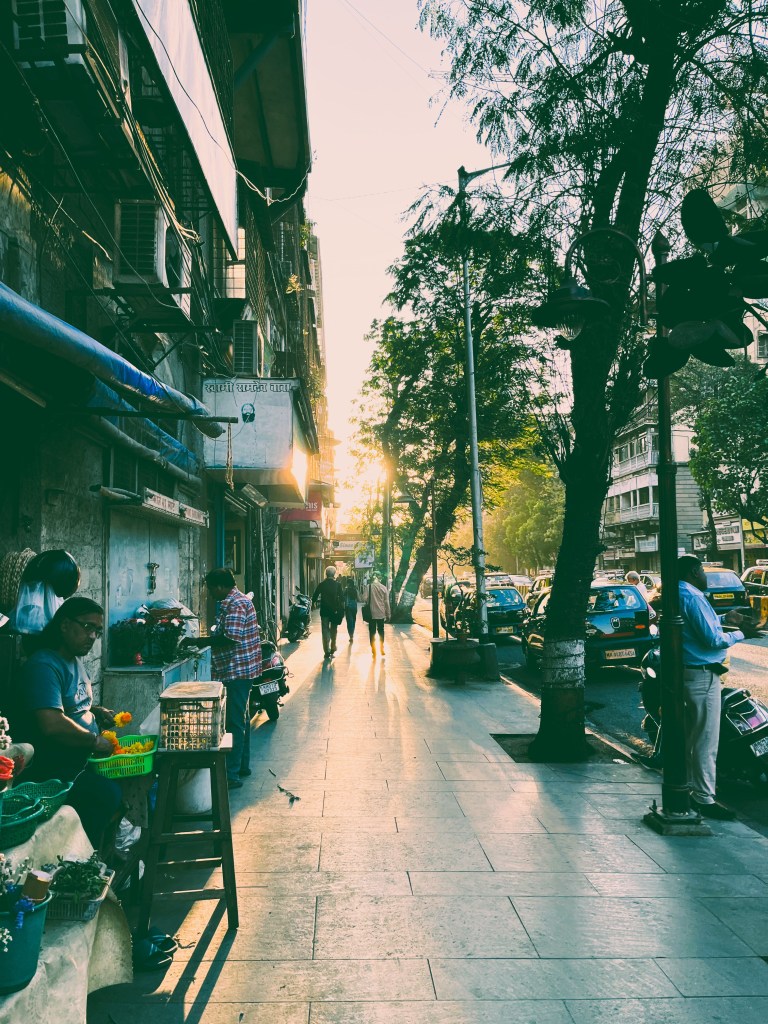
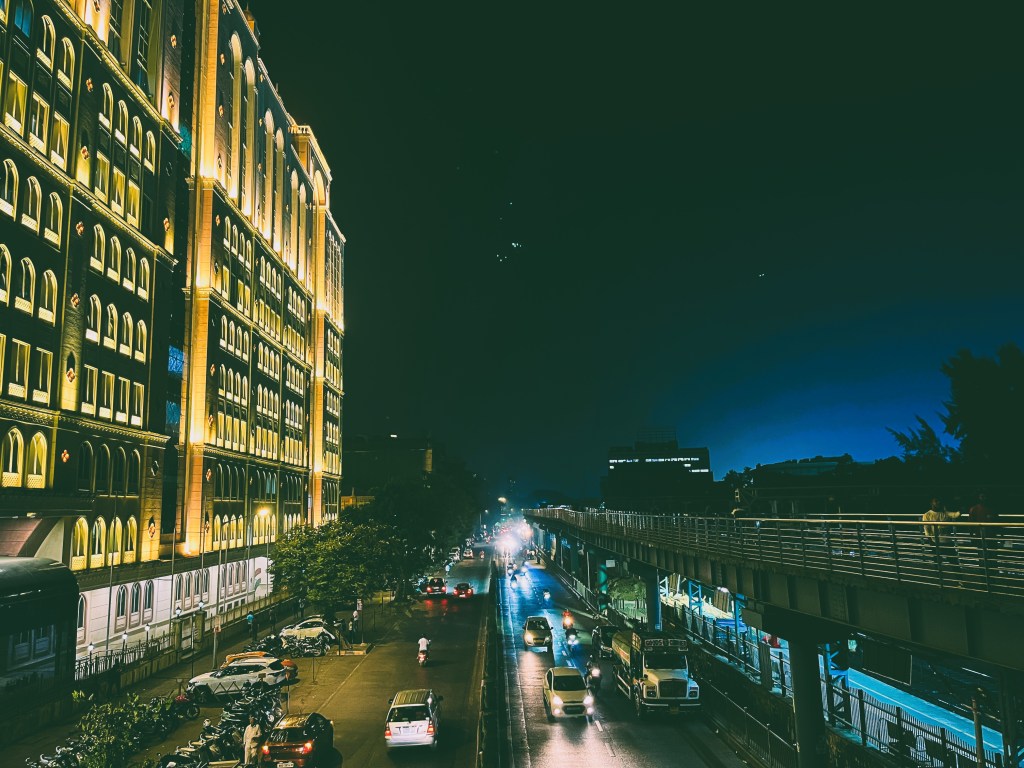
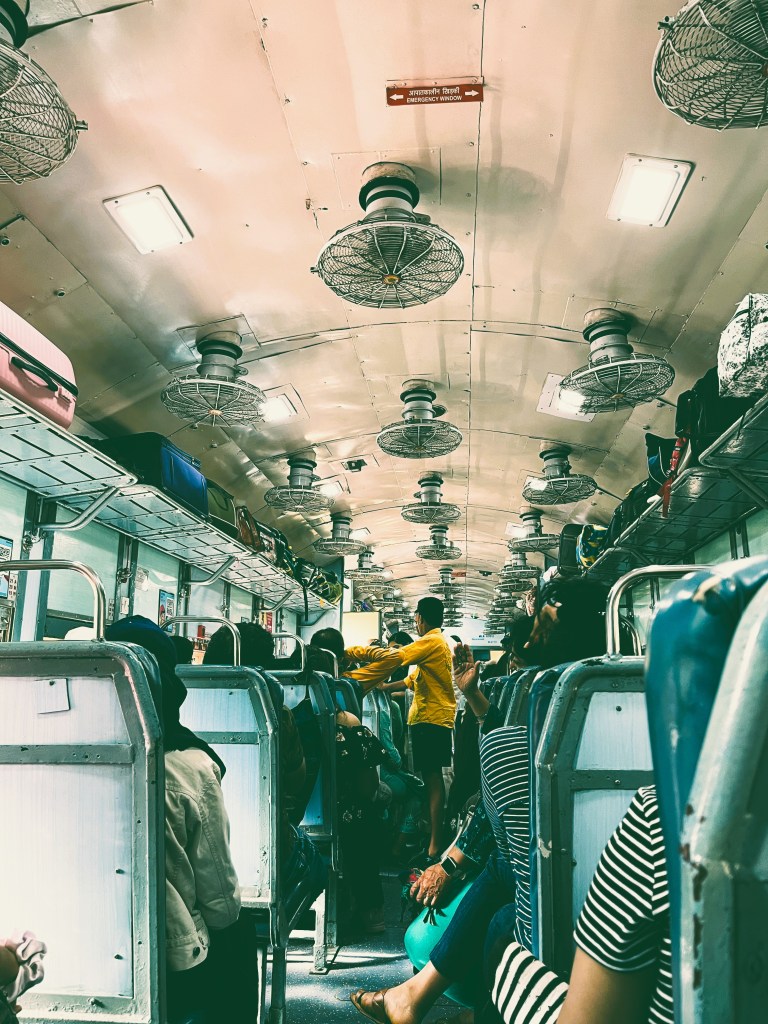
So why do we romanticise struggle? Perhaps because the truth is heavy. Acknowledging how harsh and unfair life can be is painful. Perhaps hope makes that pain easier to endure. But when left unchecked, it can invalidate real suffering.
Maybe the answer lies in balance: believing that change is possible while refusing to sugar-coat present reality for convenience. Recognising that the current moment is difficult and unjust, without dressing it up as something beautiful or a blessing in disguise. To see struggle clearly—without glorification or despair—is to respect and validate the very real experiences of the people living it every day.
 DoubleSpeak