

Editor’s Note: This article is first of its kind on DoubleSpeak. It’s in the form an interview with the artist which Saranya did and she wanted to publish that in that format only with the images she took from the site.
P. Valsan is the Managing Director of Kunhimangalam Bell Metal Heritage (KBMHPL), a company dedicated to promoting and developing the traditional bell metal craft of the Kunhimangalam region in Kannur, Kerala. The village of Kunhimangalam is renowned for its skilled artisans who produce traditional bronze and bell metal artefacts, including lamps, idols, and sculptures. Supported by government grants and initiatives, KBMHPL works to secure a Geographical Indication (GI) tag for Kunhimangalam products and provides artisans with assistance in accessing raw materials and markets.
1. Could you tell us about yourself and the centuries-old tradition your family and community have followed to keep this art alive?
P. Valsan:
I am P. Valsan, a bronze sculptor from Kunhimangalam, a village at the foot of the Ezhimala hills in Kannur, Kerala. Our community, the Moosari, traces its lineage to Vishwakarma, the divine architect. For over seven centuries, we have been creating idols, lamps, bells, ritual vessels, and ornaments that grace temples, churches, mosques, and homes.
I learnt the craft from my father, Chandu, who was my first guru. Earlier, more than a hundred families in Kunhimangalam practised this art; today, only about thirty remain. Despite many moving away to other professions, we have kept the tradition alive through dedication, forming the Bronze Heritage Trust and lobbying for government recognition so that this indigenous art continues to survive.
2. How has the life of this craft changed in your lifetime—materials, process, buyers, and overall practice?
P. Valsan:
When I was young, every step—from preparing the wax to polishing the idol—was done entirely by hand. Raw materials such as copper, tin, zinc, and resin were easier to source and relatively affordable.
Today, the cost of these materials has risen sharply, and we often depend on local traders or scrap dealers, making production costs unpredictable. Many traditional household items, including the kindi and uruli, have fallen out of daily use, with buyers often opting for cheaper, machine-made substitutes.
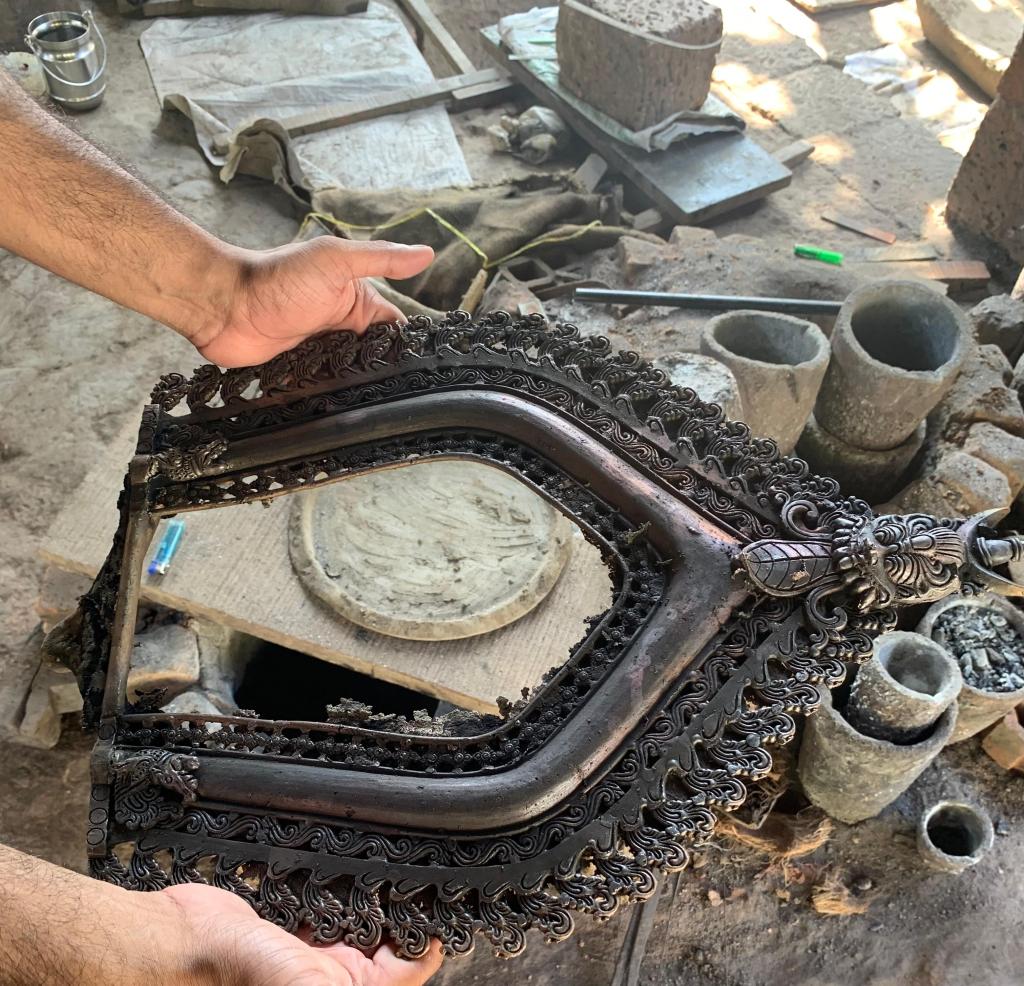
On a positive note, technology has brought significant benefits. Training in computer-aided design and the establishment of a Common Facility Centre (CFC) in our heritage village have improved both quality and safety. Media attention has also led to increased visits from tourists, researchers, and international buyers—something that was rare in the past.


3. How did you and your fellow artisans survive during the COVID-19 pandemic, and what changed afterwards?
P. Valsan:
The pandemic was a severe blow. Demand for idols, lamps, and ritual vessels dropped sharply as temples, traders, and the public curtailed purchases. The price of raw materials rose, yet we could not raise our own prices.
Many artisans had to take up temporary jobs or rely on savings to get by. Even after the lockdowns were lifted, it took time for work to resume. The experience highlighted how fragile our livelihoods are and underscored the need for more consistent support and wider market access.
4. What are your appeals to the government?
P. Valsan:
We need financial incentives, subsidies for raw materials, and better health and safety measures. Many artisans work long hours near furnaces, facing heat, fumes, and heavy labour, so access to healthcare and protective equipment is essential.
We are also seeking a Geographical Indication (GI) tag for Kunhimangalam bell metal craft. Such recognition would not only preserve the heritage but also encourage younger generations to take up the profession.

5. What expectations do you have for your art in the future?
P. Valsan:
I hope to see our craft flourish as a living heritage rather than a fading tradition. It must remain relevant by adapting to contemporary needs while retaining its ritual and cultural essence.
If younger generations can be inspired to pursue it as a viable profession—with fair income and due recognition—the future of this art will be secure.
6. What kind of support would most benefit artisans like you?
P. Valsan:
Direct access to both physical and digital markets would make a significant difference. Middlemen often buy our products cheaply and sell them at far higher prices.
Training in digital marketing, access to e-commerce platforms, and more organised exhibitions would help us reach buyers globally. Improved infrastructure for transport and tourism in our village would also bring more visitors and customers.

7. On average, how long does it take to complete one piece of work, and how do you manage multiple tasks?
P. Valsan:
It depends on the size and complexity of the piece. A small idol may take two to three weeks; a 12-inch idol often takes about a month, while larger pieces can take much longer.
I usually work on different stages of several projects simultaneously—preparing the wax model for one, pouring the metal for another, and polishing a third. The craft demands patience and careful timing.
8. Could you show us one of your favourite works?
P. Valsan:
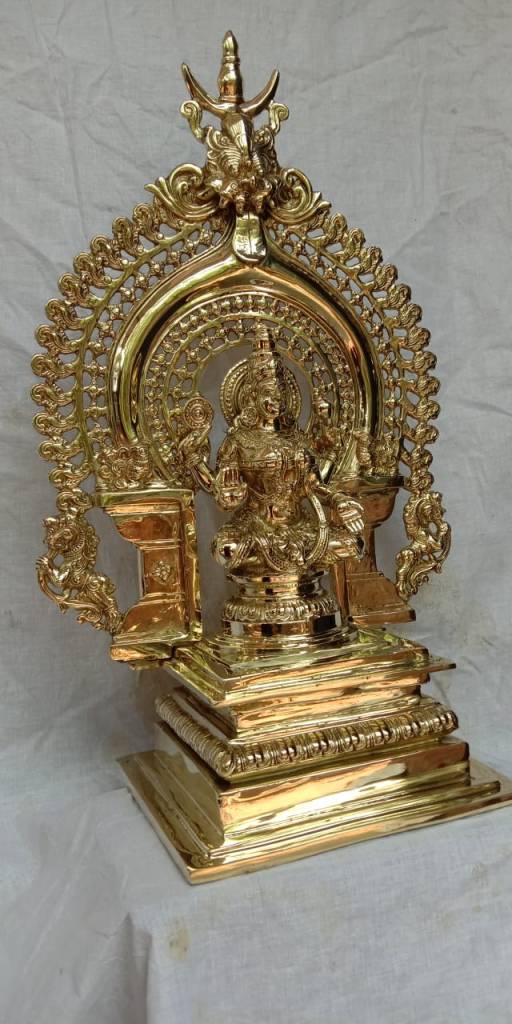
One of my most memorable creations is a 12-kilogram bronze lamp featuring a figure of Lord Rama, which was offered to the Ram Temple in Ayodhya.
We also create idols for temples as Moolavigraham (central deity) or Balibimbam (for processions), as well as ornaments for Theyyam rituals and bells for churches and mosques.
9. Bell metal craft has centuries of history. In your view, what makes your work contemporary while remaining rooted in tradition?
P. Valsan:
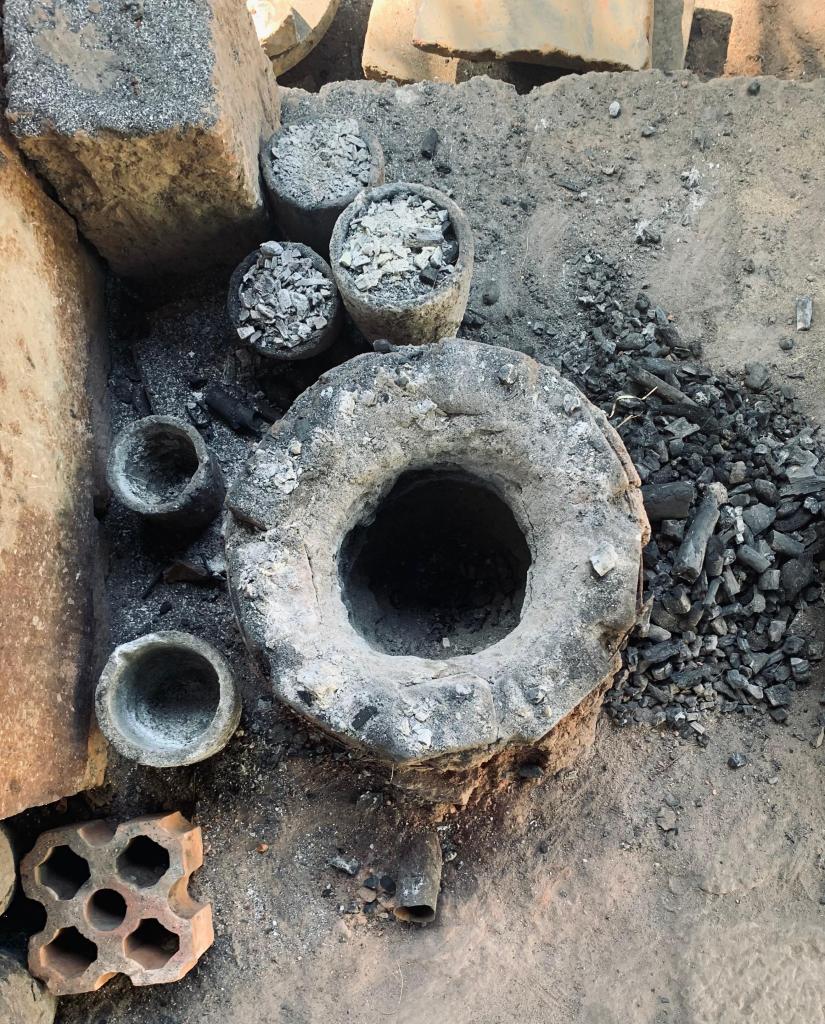
The core process—the lost-wax technique—remains unchanged, safeguarding the sanctity of the tradition.
What makes it contemporary is how we respond to modern aesthetics, international interest, and new functions. For example, while we continue to create ritual vessels and idols, we also design pieces for collectors and tourists. We use digital tools for precision but never compromise the ritual significance of the craft.


10. Are there forms or motifs you dream of creating that go beyond tradition?
P. Valsan:
Yes. While temple idols and ritual objects will always be at the heart of our work, I dream of creating large-scale public sculptures—figures that tell stories of our heritage yet resonate with modern audiences.
I would also like to experiment with contemporary motifs that carry the spirit of our craft into new cultural spaces.
11. How does working in a cluster model (CFC) affect your craft compared to working alone?
P. Valsan:
The Common Facility Centre has been transformative. It provides better tools, safer furnaces, and shared resources. We can take on larger projects collectively and uphold higher quality standards.
Working as a cluster also allows us to share knowledge, support each other, and train younger artisans more effectively.
12. What part of this craft do younger artisans resist learning, and what excites them most?
P. Valsan:
Youngsters often resist the laborious manual processes—long hours working with wax, clay, and furnaces. They are more drawn to design and finishing stages, particularly those involving computer-aided techniques.
However, when they witness the final piece emerging from the mould, glowing with life, they often feel inspired. That moment connects them to the deeper essence of the tradition.


13. Are there rituals or local beliefs involving bell metal that outsiders might miss?
P. Valsan:
Absolutely. Every step of idol-making is regarded as sacred. We begin work on an auspicious day known as Muhurtam, and the proportions of deities follow ancient Dhyana shlokas.
Bell metal objects also hold ritual significance—lamps lit during festivals, vessels used in temple offerings, ornaments for Theyyam dancers, and even church bells and mosque crescents. Each object carries symbolic meaning.
14. Have modern tools or technology changed your relationship with the material?
P. Valsan:
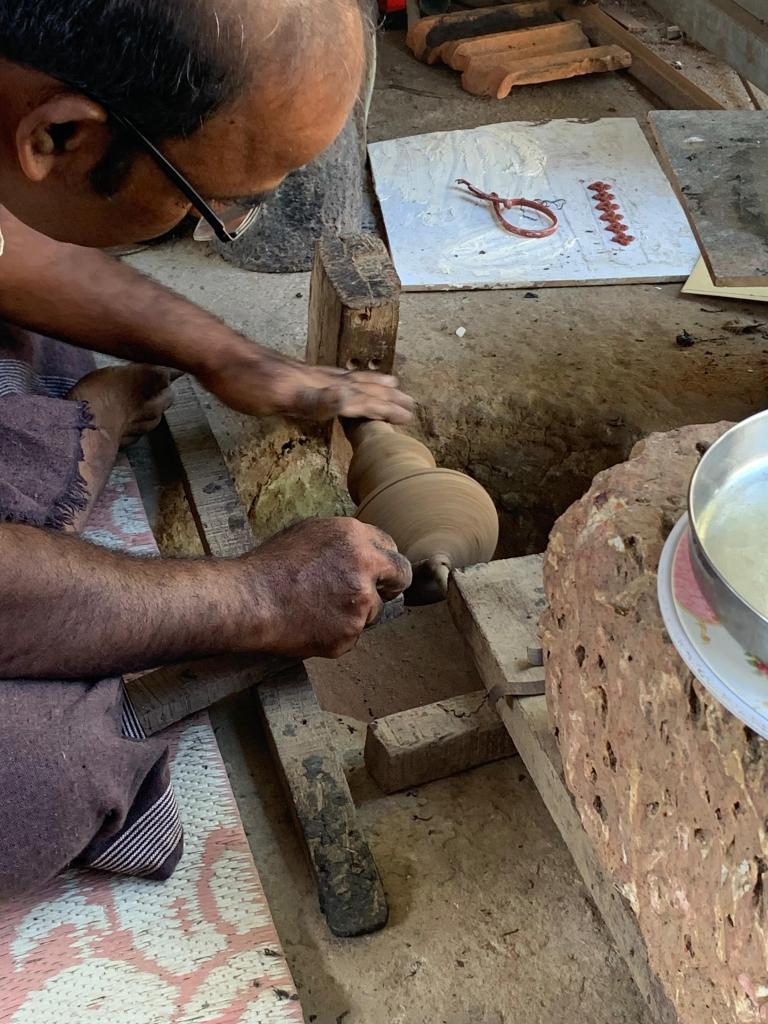
Modern tools—such as precision lathes, polishing machines, and CAD software—help us save time and improve consistency while making heavy work safer.
Yet the connection with the metal remains deeply personal. The lost-wax method, the pouring of molten metal, and the final polishing still demand the touch and judgement of the artisan’s hand.
15. If you could gift one creation to the next generation as a symbol of your life’s work, what would it be, and why?
P. Valsan:
I would gift a bronze lamp. A lamp symbolises light, knowledge, and continuity. It reflects the spirit of our craft—melding fire, earth, and metal to create something that illuminates lives.
Such a gift would remind future generations that this heritage is not merely about objects but about keeping a flame alive.

 DoubleSpeak