

For nearly a decade, I wore my hair long. It became more than just part of how I looked—it was part of how I felt, how I moved through the world. It was something to hide behind, something to hold onto. A quiet constant. I never questioned how much of myself I had tied to it—until I let it go.
Cutting my hair was a choice I made willingly, and I embraced the newness it brought. But in the silence that followed, I began to feel the presence of what I had left behind—the version of myself tied to every strand I had grown over the years. There was a weight missing—not just in length, but in identity. That’s when I began to understand: hair is never just hair.
It carries memory. It reflects emotion. It shapes how we see ourselves—and, often, how others see us too. Hair marks transitions in our lives—some subtle, some transformative. It is both personal and public, a thread between our inner world and our outer expression. It holds softness and strength, continuity and change. It becomes a kind of language, one we carry without always knowing it, and one that speaks long after we’ve changed.
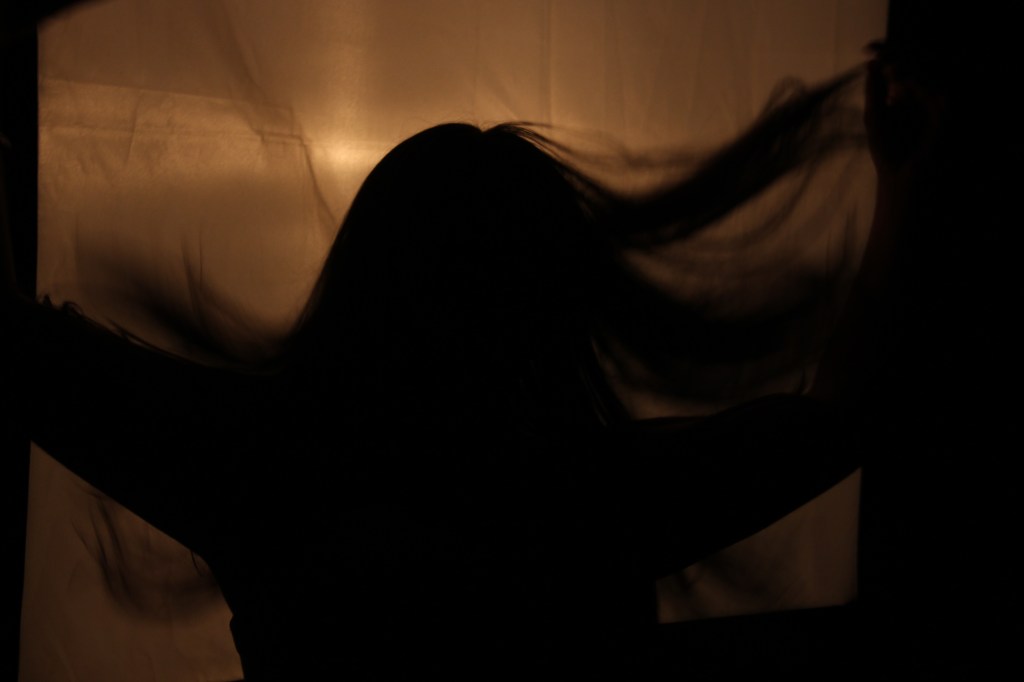
This photo feature was born from that realization. It is a meditation on the quiet but profound power our hair holds—the way it bears witness to who we are, who we’ve been, and who we’re still becoming. In its texture, its absence, its growth, or its transformation, hair becomes a mirror of identity. And in seeing it clearly, we begin to see ourselves more deeply, too.
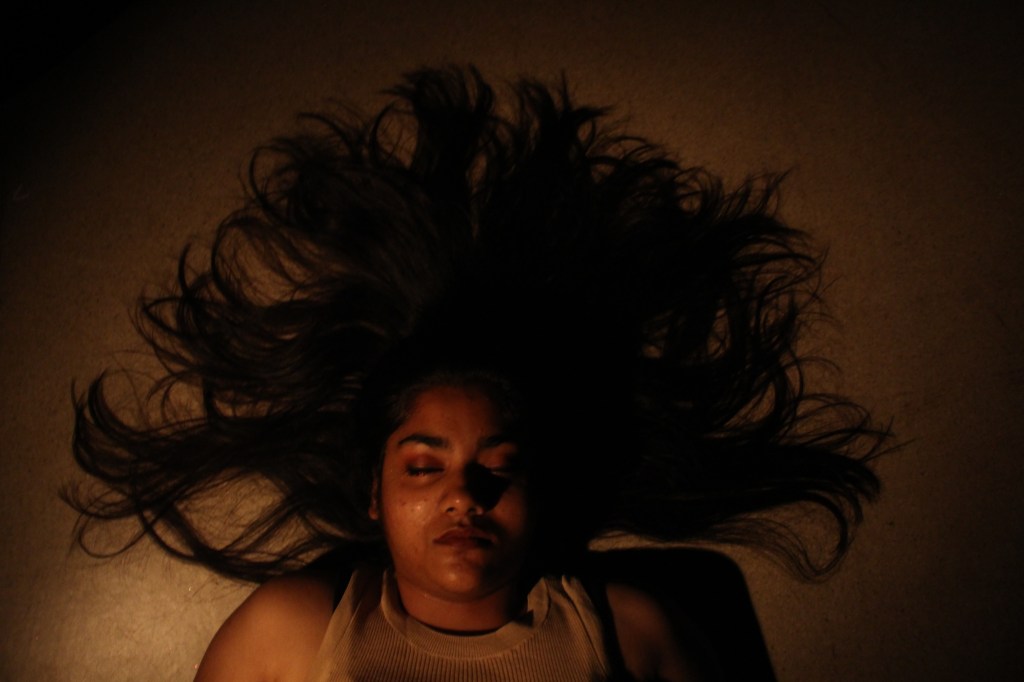
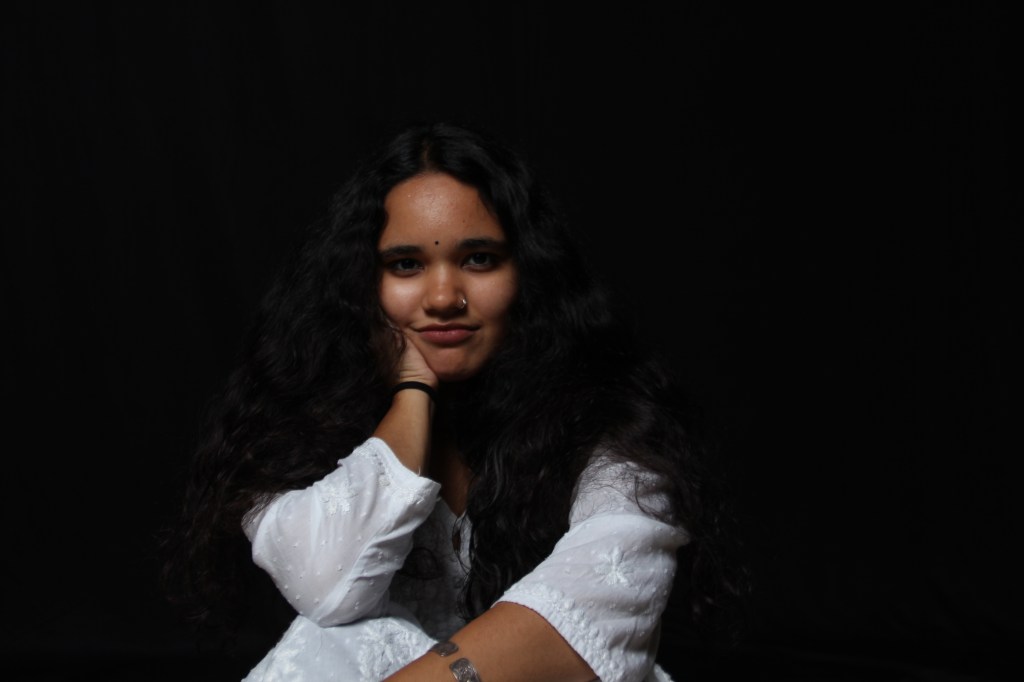
Our curls often grow up in silence—flattened by straighteners, overlooked by beauty standards, misunderstood even by us. Not because they aren’t beautiful, but because no one ever told us they could be. For a long time, the world made our curls something to fix, to hide, to change. But hair is personal. And curls, with all their texture and movement, carry personality in every coil. Learning to care for them isn’t just about technique— it’s about seeing our identity reflected in something we once tried to erase. Wearing curls naturally becomes more than a choice. It’s a quiet reclaiming of self. It’s saying: this is who I am, and this is how I grow.
Image description: “I used to fight my curls every day. Now I just let them breathe—this is how I was meant to grow.”
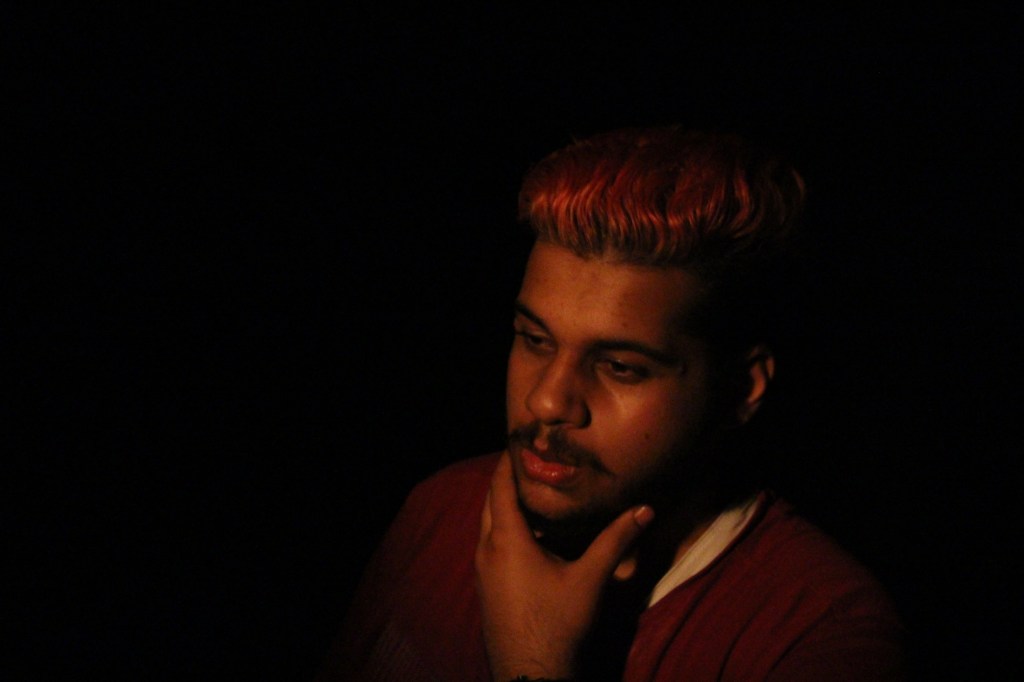
Choosing to color our hair in bold, vibrant shades is rarely just about style—it’s about being seen for who we are, or who we want to be. But that visibility often comes with hesitation, especially when others don’t understand it. For many, it means going against the expectations of family, culture, or community, inviting judgment and resistance. Yet, there’s something deeply personal with each colour—like saying, “This is who I am, ” even if it changes tomorrow. It’s about looking in the mirror and finally feeling aligned with the person staring back. Years and many colors later, what was once an uncertain step evolves into clarity. Through the trial and transition of bold shades, our identity begins to show through—not forced, not filtered— just real.
Image description: “What started as hesitation became the boldest way I found myself.”
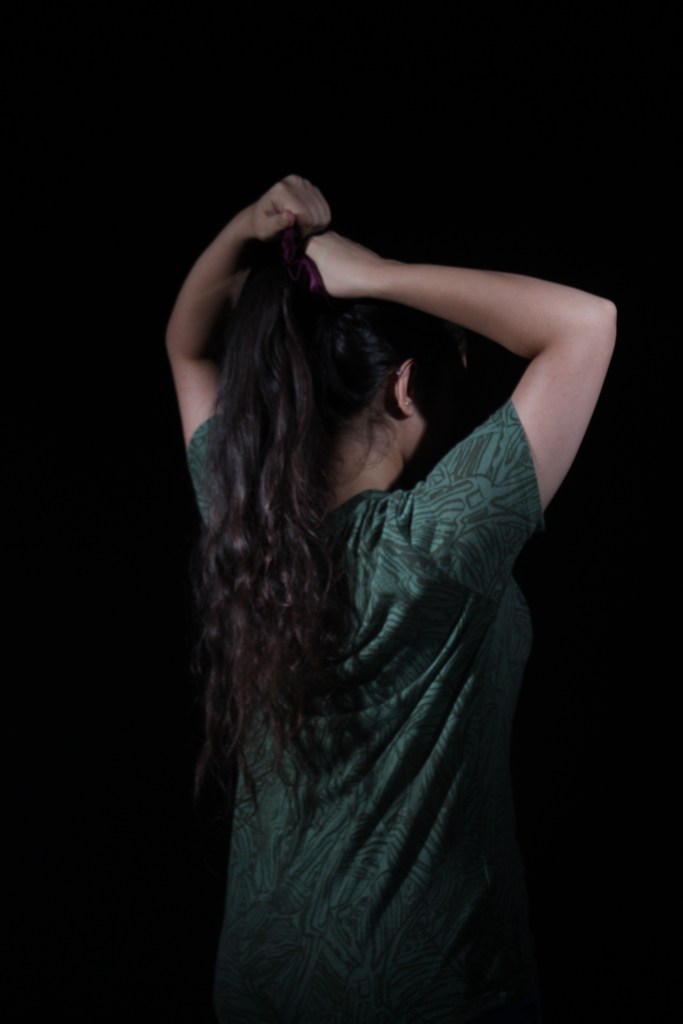
Long hair is more than just a physical trait; it’s an expression of identity. While it may seem like an inconvenience to some, for others, it’s a way of recognizing themselves. Maintaining long hair can be a meditative practice. Brushing, washing, and styling it becomes a comforting routine, grounding us in our identity and personal history. It grows alongside our experiences, becoming a visual record of life’s changes. Culturally, long hair carries different meanings: strength, femininity, resilience. It can symbolize endurance and change, evolving with each new phase of life. Ultimately, long hair isn’t just about length; it’s a living part of who we are—an expression of individuality and growth, and a reminder to honor our true selves.
Image description: “It took years to grow. Every inch carries a memory, a moment, a version of me.”
We’ve been told that short hair means giving something up—softness, beauty, even femininity. But what if it means gaining something instead? A sense of freedom. A clearer voice. Space to move, breathe, exist without expectation. A boy cut isn’t about rebellion—it’s about release. Letting go of what doesn’t serve us. Letting go of what others think we should be. There’s power in not needing approval, in walking through the world unfiltered, unbothered, unafraid. The feeling of wind on the back of our necks. The ease. The clarity. The quiet kind of confidence that doesn’t need to shout.
Image description: “They said it looked too different. I’ve never felt more like myself.”
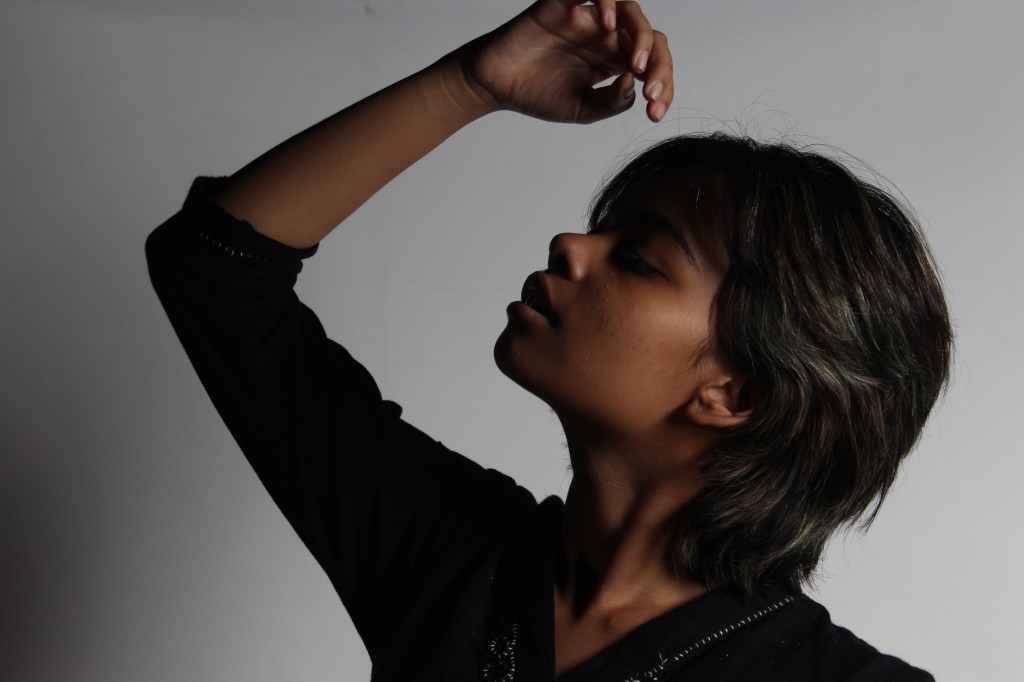
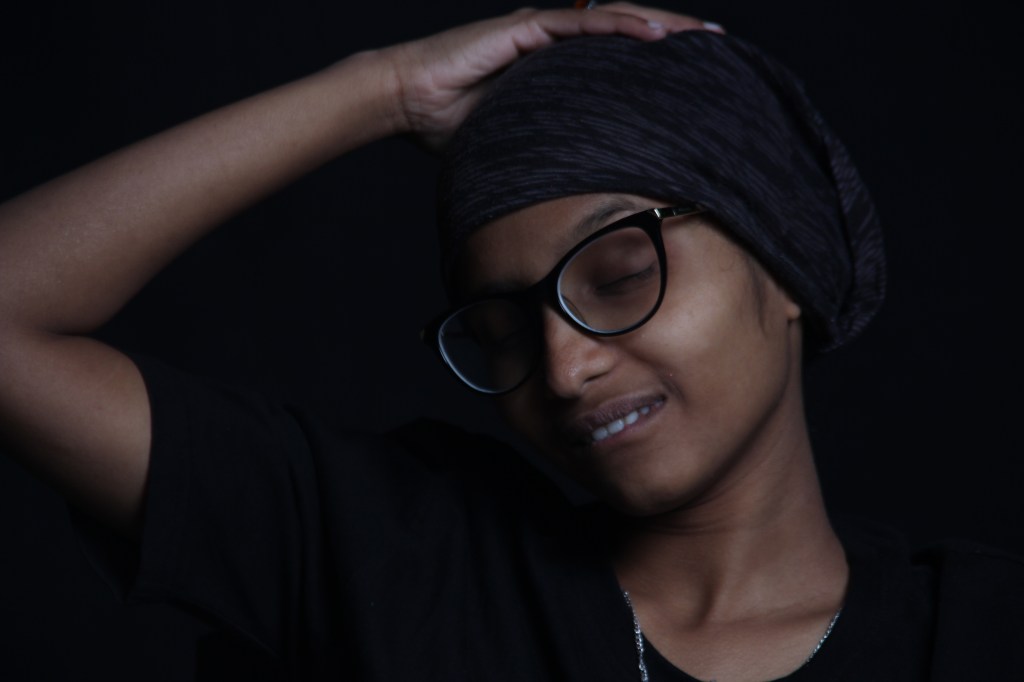
For some of us, covering our hair isn’t about tradition, pressure, or rules—it’s a choice. A quiet, intentional act of holding something back for ourselves. Our hair isn’t hidden out of fear or shame, but preserved for the people we trust, the ones we let in. Even when it’s covered, our hair is still a part of who we are. It lives in the way we carry ourselves, in what we protect, and in the meaning we give to our own boundaries. Because identity isn’t always what’s shown. Sometimes, it’s what we choose to keep for ourselves
Image description: “Covering my hair isn’t about hiding—it’s about choosing what to reveal.”
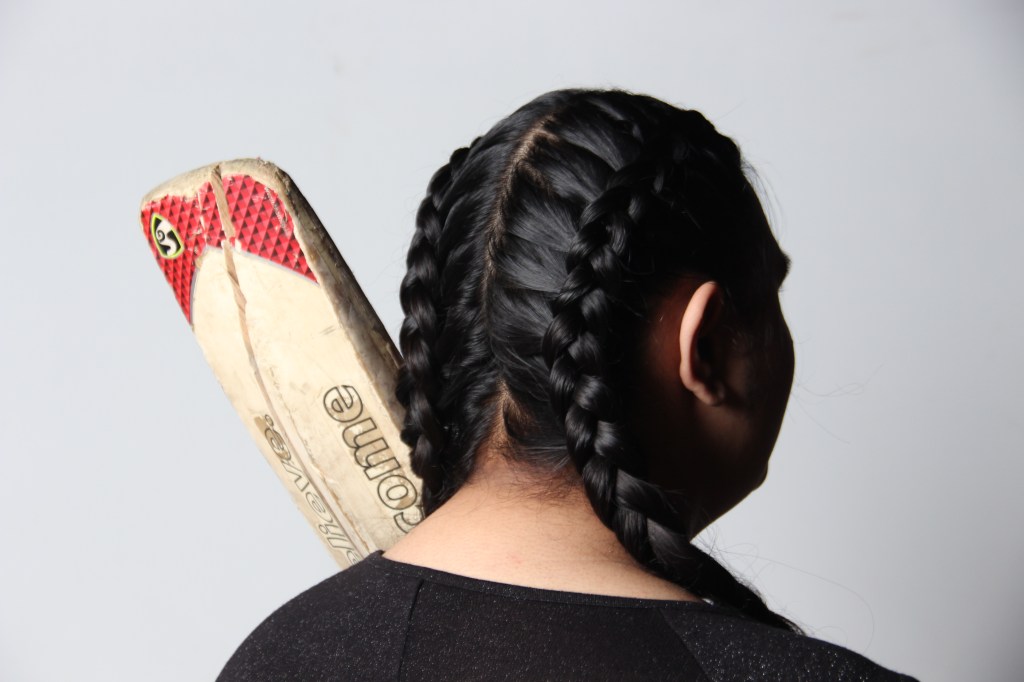
For those of us who move, who run, who play— boxer braids are more than a hairstyle. They’re part of our uniform. Braided tight and close, they keep our hair out of the way and our minds in the game. Whether we’re stepping up to the crease with a bat in hand or sprinting across a field, they let us move without hesitation. There’s strength in the way these braids are worn. Braids have long been symbols of strength and identity across cultures—from ancient warriors to modern athletes, to girls who’ve been told the field isn’t theirs and showed up anyway. We don’t just wear them to play. We wear them to feel grounded, focused, ready. In every knot and braid, there’s intention. There’s power. And there’s the quiet reminder: we belong here.
Image description: “Braids mean game time. It’s not just a style—it’s how I get into the zone.”
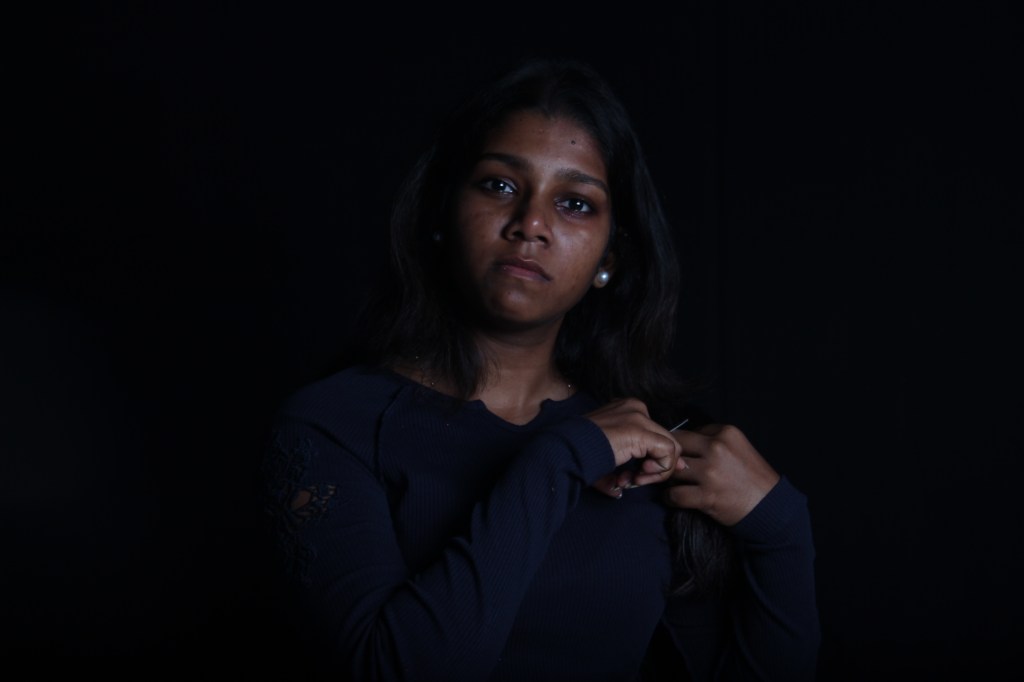
Sometimes, the scissors come out not in a salon, but in the quiet of our own rooms. We keep our hair long for many reasons. Sometimes it’s for ourselves. Sometimes it’s for someone else. And for a while, we convince ourselves that’s okay. But over time, it begins to feel heavier—not just in length, but in meaning. Long hair can carry memories, whispers of moments we’d rather forget. By cutting it ourselves, we take control, transforming pain into empowerment. One day, something shifts. The weight of it—the memory of why we kept it—is no longer ours to carry. So we cut it. Not for the perfect shape, but because we’re done holding on. Every fallen strand is a quiet refusal. A soft rebellion. A way of saying: I am mine again.
image description: “He loved it long. So I cut it short—every inch a memory I no longer needed.”
Hair changes—but the emotions tied to it linger. Through these images and conversations, I realized that we all carry versions of ourselves in our hair. For some, it’s a shield. For others, it’s a declaration. And for many, it’s a reminder of who they used to be—or who they want to become.
 DoubleSpeak
This is a very moving and insightful essay.
I love every section and image that goes with each of them.
There is such a range of insight, identity, depth and compassion in all chapters.
Many women beloved to me have lost their hair due to the life saving demands of cancer treatment. Each one has had a volume to speak as to what this meant to her.
Hair is never simple, all our lives long. What you have written needed to be said.
Thank you so much for this essay, it touches me deeply.
LikeLike