

Introduction: Where the Past Still Echoes
If you grew up in Jammu, you’d remember the slow pace of life — the sound of temple bells in the morning, the chatter of sabziwalas in the lanes, and the simple joy of a kulfi after school. People didn’t rush much. There was time for evening walks by the Tawi, time for unplanned conversations, and time to just be.
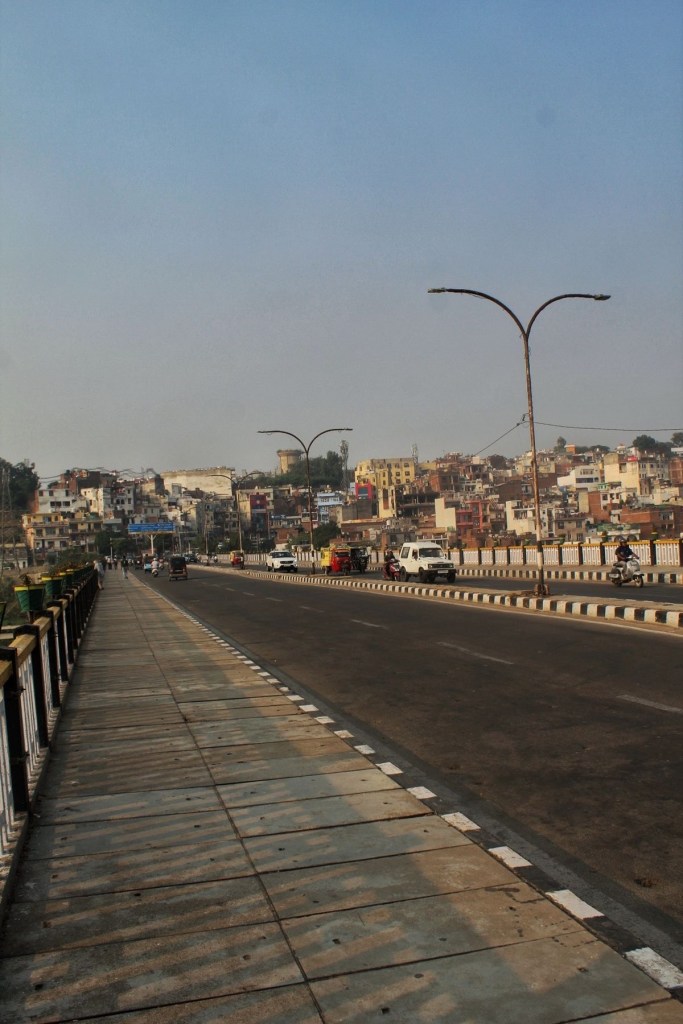
Today, things feel different. The city has changed — visibly, audibly, even emotionally. We have smart roads, AC buses, IITs and AIIMS on the horizon, and one of the world’s tallest railway bridges. There’s pride in this growth, no doubt. But somewhere between new flyovers and faded folk songs, many of us can’t help but ask: what are we gaining — and what might we be quietly losing?
A Culture Once Woven into Everyday Life
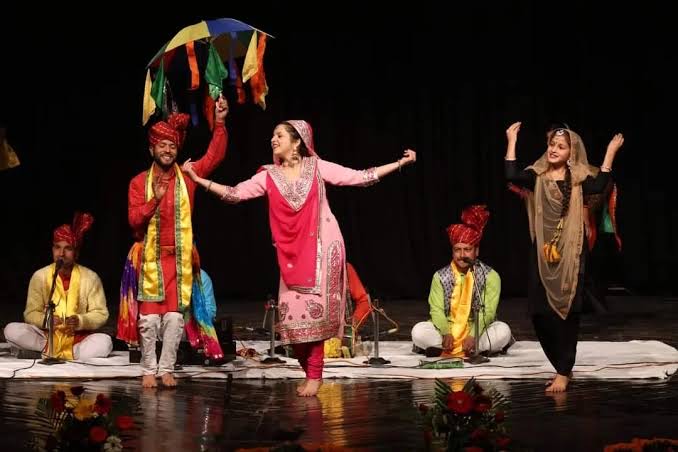
Jammu was never just a city; it was a feeling stitched together by the stories, customs, and dialects of its people. The Dogra identity was strong and lived out in everyday life — in the Dogri language spoken with love, in Kud dances at village gatherings, in Geetru and Jagran echoing through wedding nights.
Families celebrated Lohri and Baisakhi together, not just as rituals but as shared heritage. Melas like Jhiri and Bahu weren’t tourist events — they were community moments. Language, food, music, and religion weren’t separate compartments; they all flowed into one another to create the soul of the region.
But today, many of these sounds and sights feel distant. In households across Jammu, Dogri is often replaced by English or Hindi. Children know more Bollywood lyrics than Dogra folk songs. Cultural performances are still around, yes — but more often on stages than in courtyards.
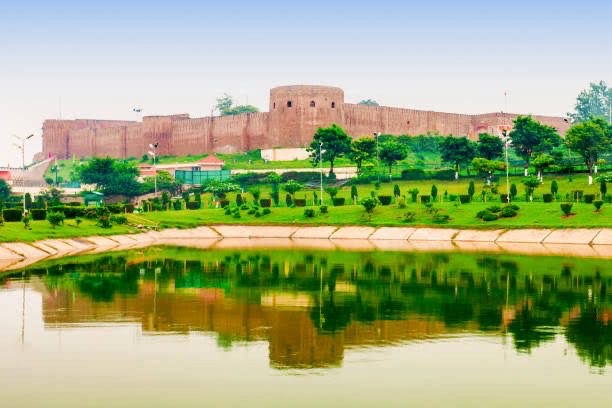
Neighbourhoods, Now and Then
There was a time when neighbours were like extended family. You didn’t need a reason to visit someone’s home. Everyone knew everyone’s grandmother, and children played Gilli Danda and pitthu till the street lights came on.
Now, gated societies and apartment buildings have become more common. With them comes a certain distance — polite, organised, but undeniably distant. Interaction happens over WhatsApp groups. Even festivals, once deeply communal, sometimes feel like scheduled events rather than spontaneous joy.
People still care — the warmth is still there — but the rhythm of life has changed. Fast-paced jobs, online classes, deadlines, and digital lives have left less room for the kind of closeness that once defined Jammu’s neighbourhoods.
What We Wear, What We Speak, What We Dream
Walking through Gandhi Nagar or Channi, it’s easy to notice how fashion, language, and aspiration have shifted. Traditional Dogri clothes — suthan, phirans, odhnis — have been replaced by jeans, sneakers, and branded T-shirts. It’s not unusual to hear kids switch between English and Hindi effortlessly, with Dogri quietly fading into the background.
This isn’t necessarily a loss — it’s change. Today’s generation is global. They’re preparing for JEE, NEET, and study-abroad programs. They’re building startups and following global influencers. There’s ambition in the air — something that deserves celebration.
But at the same time, something essential often gets left behind. Language is more than words. It’s memory, emotion, belonging. And the further we drift from Dogri, the more fragile that cultural thread becomes.
Faith, Still Rooted Deep
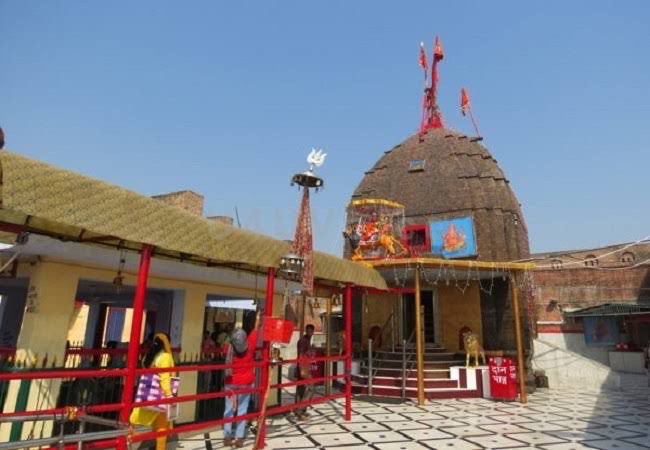
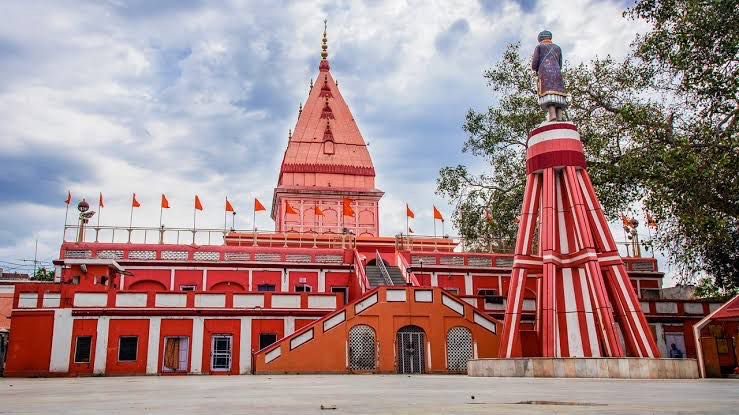
Despite all these changes, one thing remains constant — Jammu’s spiritual core. The city still breathes around its temples, gurudwaras, and mosques. You’ll still find people lining up at Ranbireshwar Temple at sunrise, still see diyas floating on the Tawi, still hear Gurbani at dawn and Azaan at dusk.
The festivals are still celebrated — Navratri, Shivaratri, Urs — though often with a new flair. Pandals are bigger, promotions louder, and social media more involved. But beneath the surface noise, the essence survives. There’s still faith. Still devotion. Still shared traditions that anchor people to something deeper.\
Between Hills and Highways
Nature was once Jammu’s quiet background — not just the hills, but the clean riverbanks, the shady peepal trees, the cool mountain air. Families would escape to Patnitop, Surinsar, or Mansar for peaceful weekends.
Now, with rapid urbanization, the story is more complicated. Traffic has grown, temperatures have risen, and natural spaces have shrunk. The Tawi, once the lifeline of the city, is under pressure from pollution and encroachment. And yet, efforts are being made. There are clean-up drives, tree-planting initiatives, and a growing conversation about sustainability — especially among the youth.
The hills haven’t stopped whispering. We just need to quiet down a little to hear them again.
A City at the Crossroads
Jammu isn’t what it used to be — but maybe that’s okay. Change is natural. Progress is necessary. The flyovers, smart buses, and educational institutions are signs of a city moving forward.
But moving forward doesn’t have to mean forgetting. We can build modern bridges without burning cultural ones. We can let our children dream big — of IITs, global careers, and smart cities — and still teach them a Geetru song, tell them stories of General Zorawar Singh, or take them to a local mela.
Jammu has always been a place of balance — between faiths, between regions, between mountains and markets. And maybe that’s its true identity: a city that adapts without erasing itself.
 DoubleSpeak