

My initial plan was to compile images that captured the “pace of life” in a city and compare it to village life. It is commonly believed that city life is very fast paced and that villages have a more relaxed and laid-back atmosphere and I wanted to explore the premise of this stereotype. When I visited the village site to capture images, I came to the realisation that this is not a misconception; it is reality. To prove my initial contention, I would have had to curate the images very carefully, and they would not have been an accurate representation of reality.
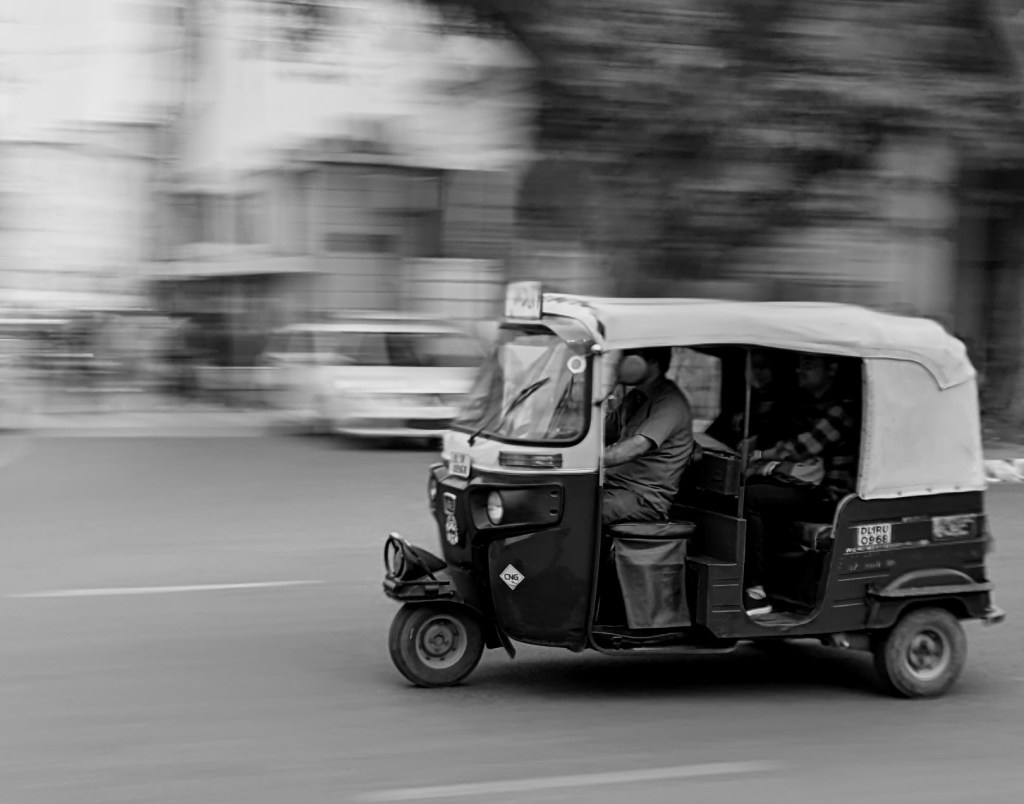
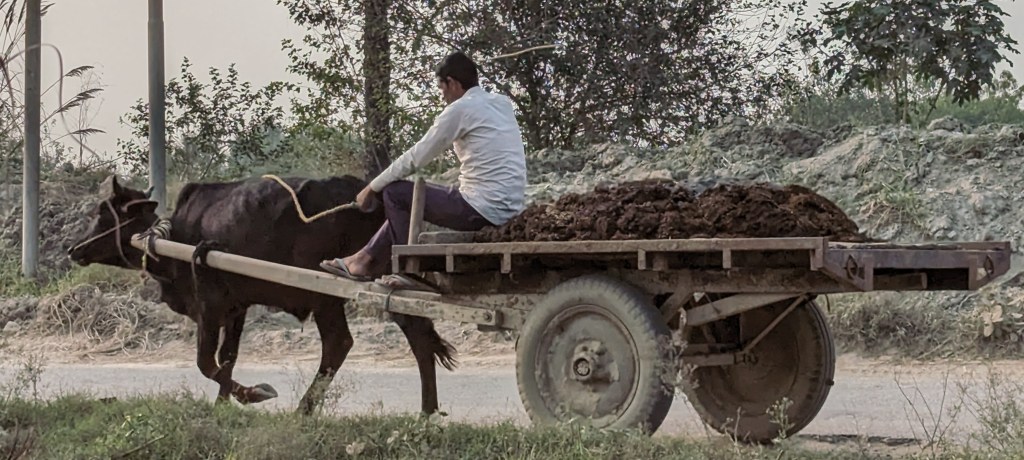
What I noticed was the perpetual activity in the city. The village, however, had a comparatively relaxed atmosphere and a lifestyle that was centered around the community. A laid-back atmosphere could be easily confused with a lack of diligence and hard work, but the villagers were extremely hard working. However, their work took place over an extended period of time, which made it less apparent. Not surprisingly, the village had a lot more open space and was less crowded unlike the city which had a higher density of everything – people, vehicles, and buildings. A noticeable class distinction was evident in the city, the disdainful looks and harsh comments were a clear indication of discrimination against the lower class.
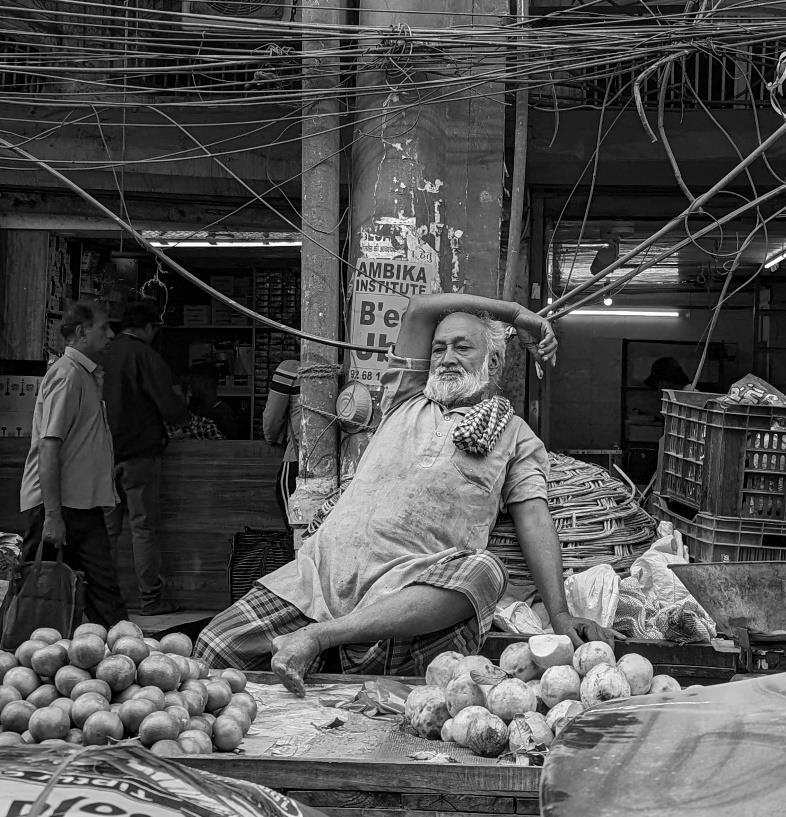

Now that, my initial narrative was no longer valid. I had no idea of what strung the images together because of the stark contrast in what I had captured. Despite the differences, I noticed that individuals that I captured in both the city and village often shared similar career aspirations, aiming for comfort and financial stability. EVERYONE was a part of the rat race.
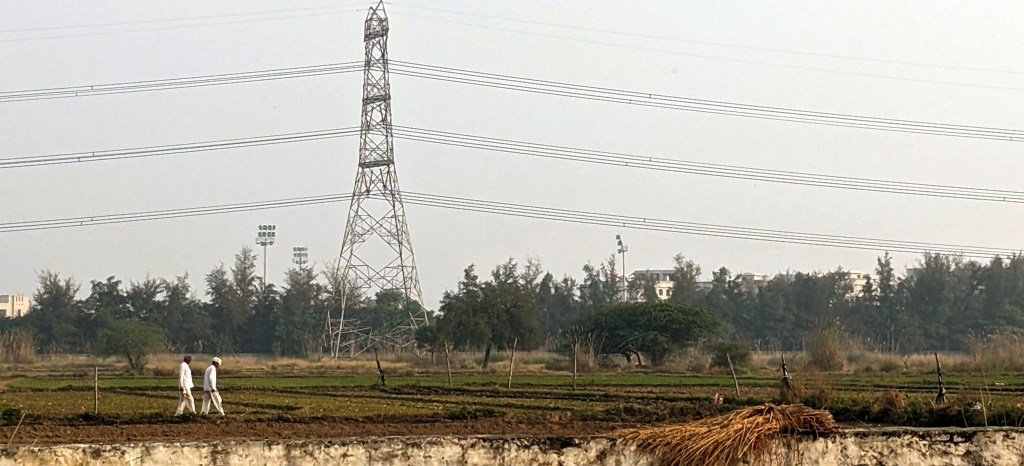
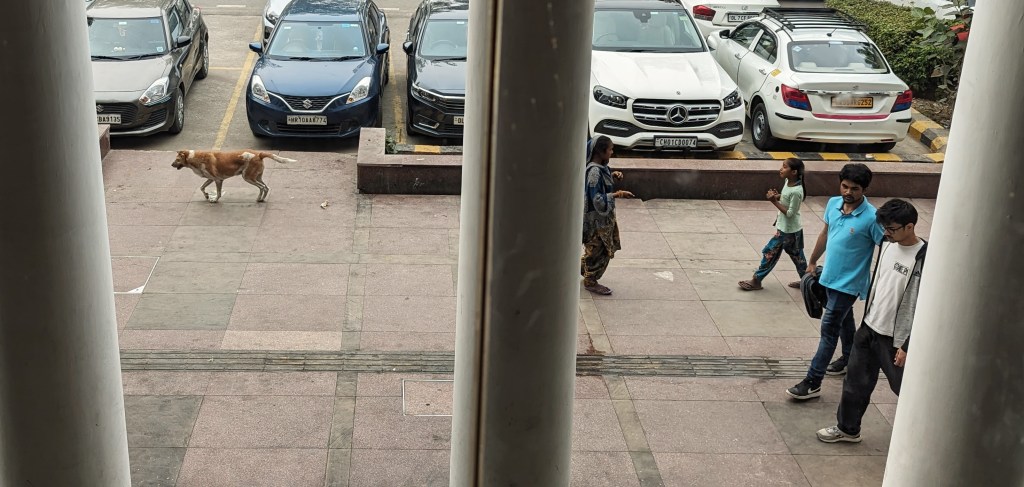
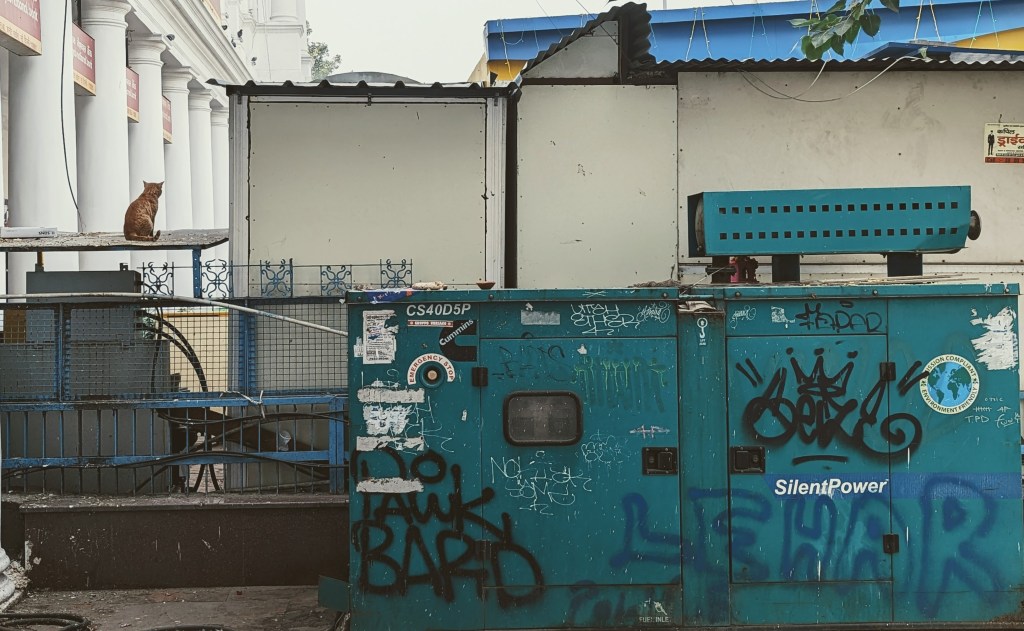
Most of the images that I have captured have a subject who is working or performing actions that would allow them to “be productive” and “make efficient use of their time”. The urban environment distinctly reflects the rat race, where everything is a competition. In this setting, success hinges on actively engaging in the struggle. In contrast, the rural setting may not overtly showcase it, but it still quietly persists. A lot of what I have captured and discussed depict these ideas.
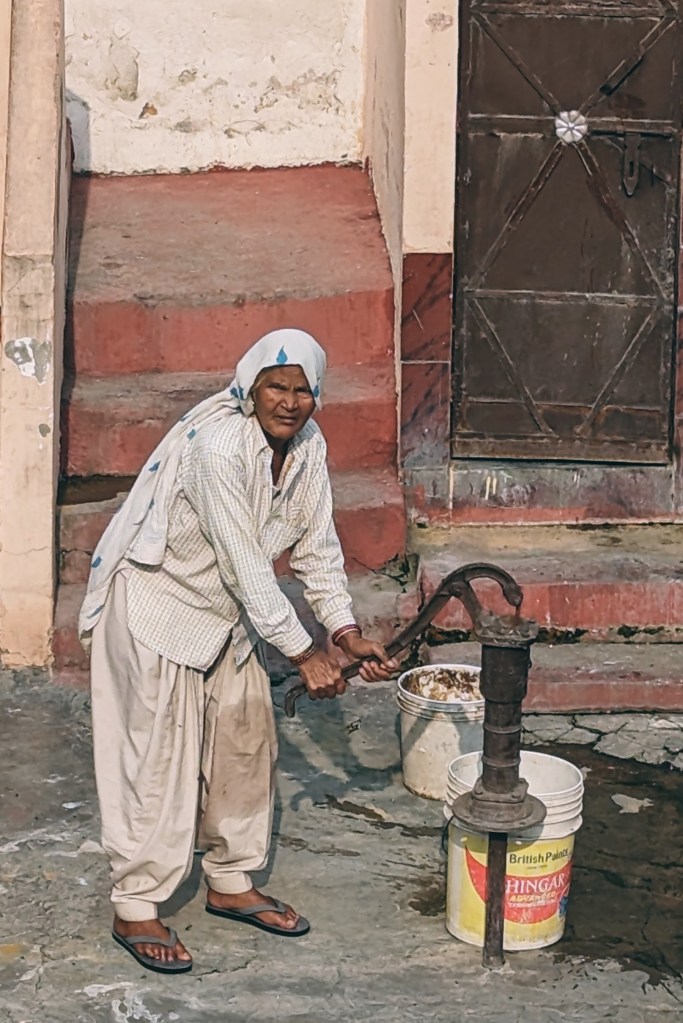
The woman in the image above is drawing water from a hand pump. My conversation with her revealed that she fetches water for her family every day. I found it baffling that nobody in her family was willing to do this task in her stead, given her age. When I asked her why she was putting herself through this, she said that her family would think of her as a burden and would no longer support her if she was of no use to them.
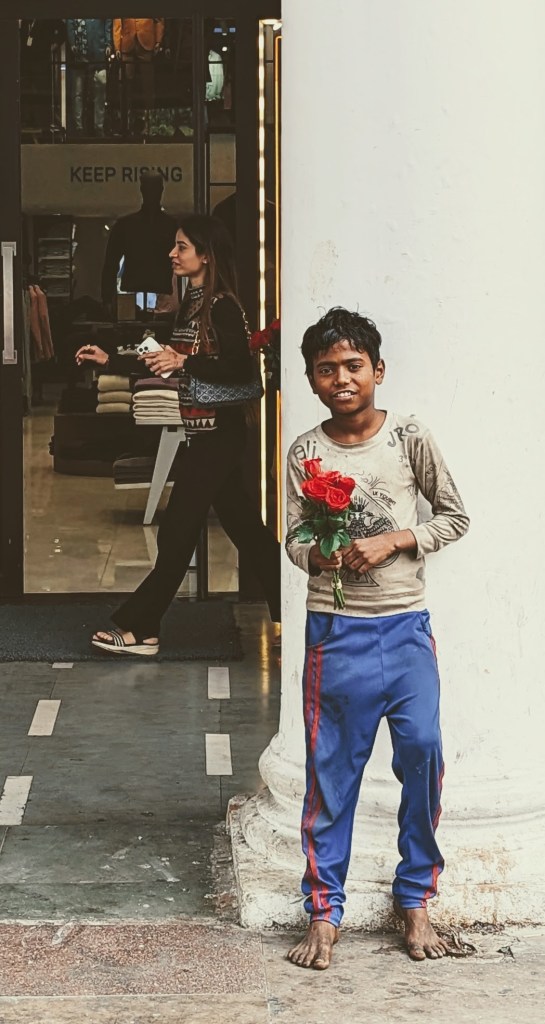
The child in the image above was roaming the streets of the city, barefoot, selling roses. I watched as he approached a lady walking out of an extremely fancy store after having purchased something worth a few thousand rupees. The kid asked her if she wanted a couple of roses, and she asked him how much they cost. He said he would give her two roses at a meagre price of sixty rupees, but the lady said it was too expensive. She haggled with him for ten minutes and made him bring down the price to fifty rupees. I found it odd that she was not willing to spare ten rupees to keep the kid from going hungry. I walked up to him after their interaction and asked him a little about himself. I asked him where he was from and why he hadn’t gone to school. He responded, saying he was from a small village in Rajasthan. His mother had moved to Delhi when he was very young. He explained that if he went to school and didn’t earn his daily three hundred rupees, his mother and baby brother would go hungry.
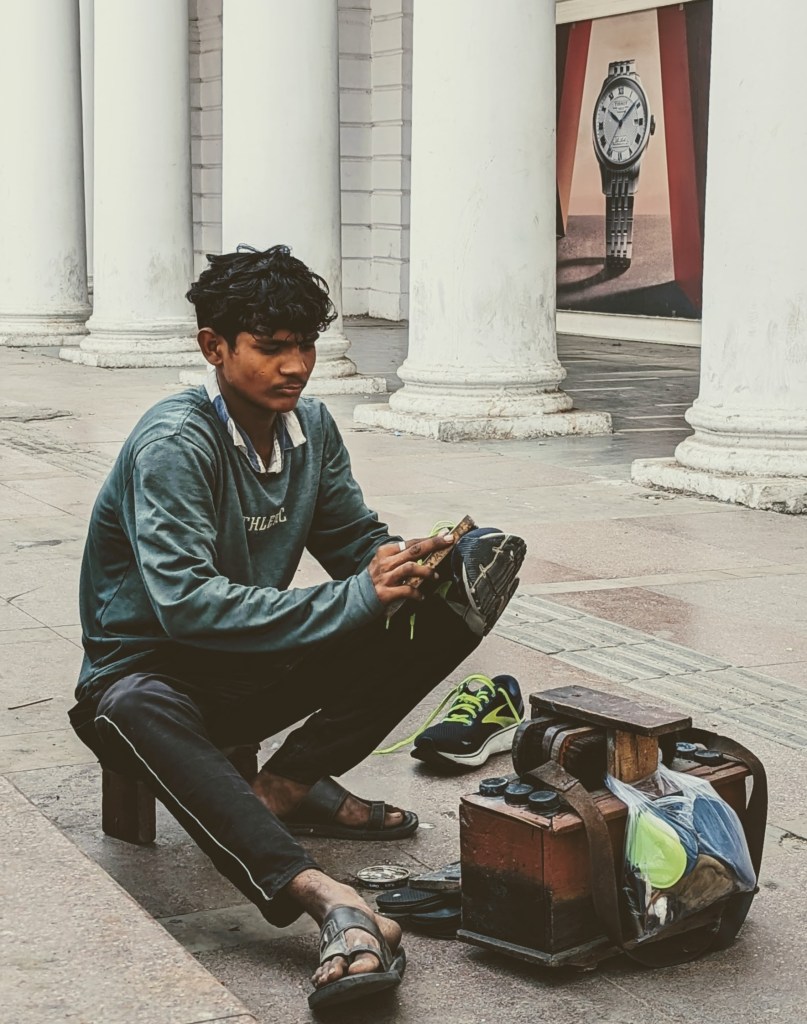
In another image, the class divide becomes strikingly apparent. The man in the photo was offering a shoe polishing service outside a high-end watch showroom. The showroom staff wanted him to stop working outside their shop because they believed he would negatively impact business and "scare" away customers. Upon noticing me observing from a distance, he walked up and asked if I want to have my shoes polished. I replied in the affirmative and struck up a conversation with him. He shared that he is a night scholar in a nearby school and takes up shoe polishing in the morning and that his brother had recently started a new business, and that they had no money to make ends meet until his brother's business took off.
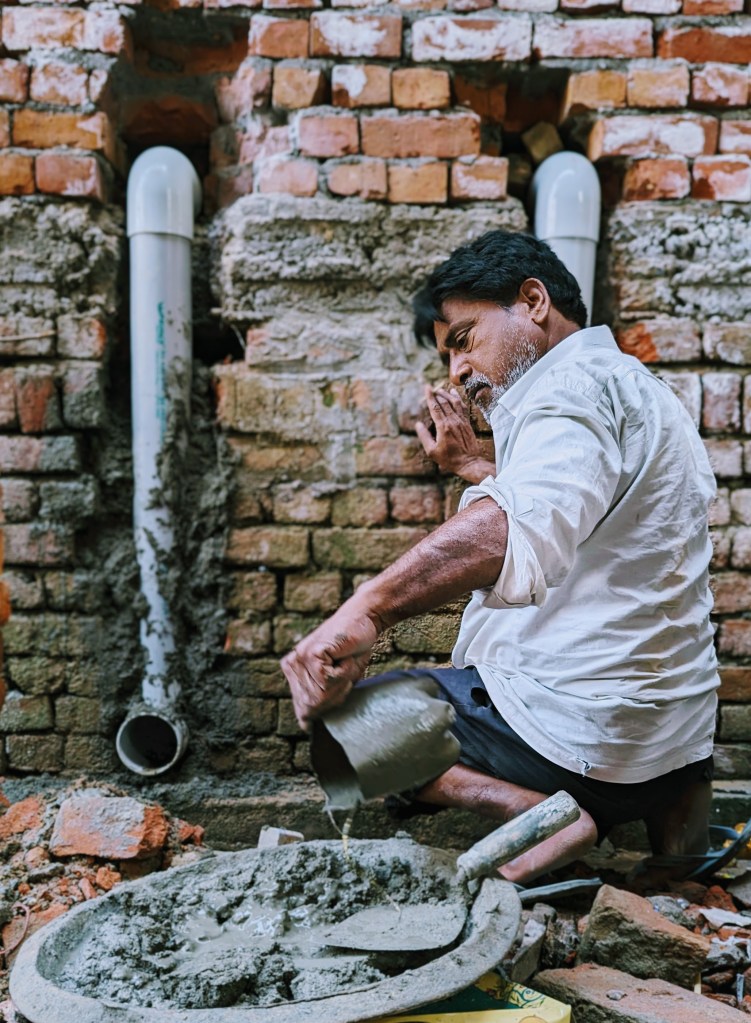
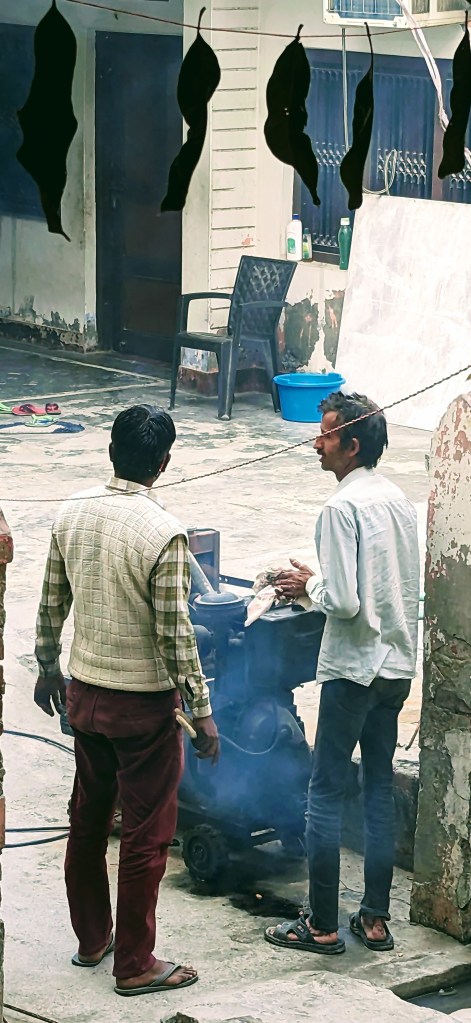
The images above are of construction workers in the village. I spoke to them and enquired about why they weren't pursuing similar work in the city for higher pay. One of them responded, saying, "I might get paid well in money, but not in respect." Despite initially intending to return to the village and resume farming, they faced challenges as other farmers had invested in new tractors and equipment. Consequently, they had to revert to construction work. The house they were building reflected a departure from traditional village structures, resembling something more commonly seen in the city. The homeowner aimed for a "modern" look to show off to his neighbours.
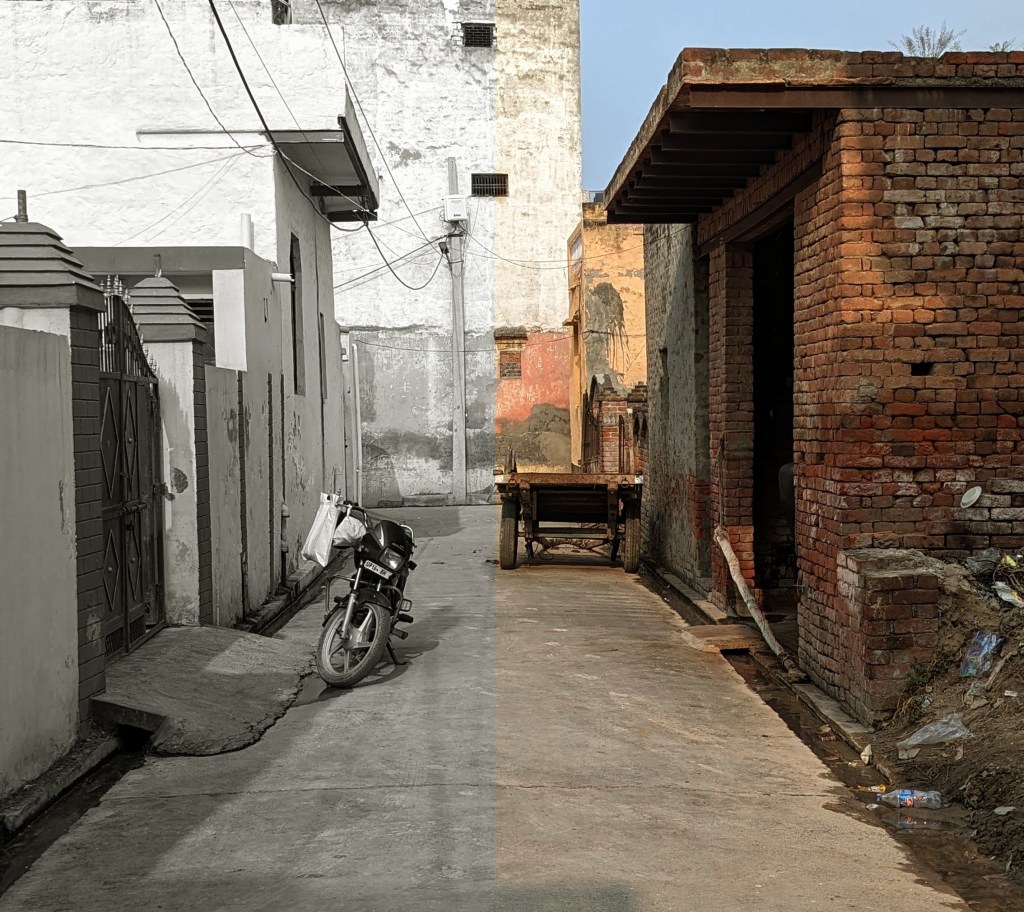
The image above is the perfect contrast between modern and old. A conversation with a friend of mine from the village provided me with insights into the competition within villages. What once was a communal effort of harvesting crops and selling them to the local Mandi has evolved into a race to meet demand more efficiently. The primary means to achieve this is through technological advancement, leading to a significant boom in such developments in villages over the past few years. He said, "Life can be laid back and relaxed here, but if I don’t harvest my crops earlier than my neighbour, the only food I will have to eat is what I have grown."
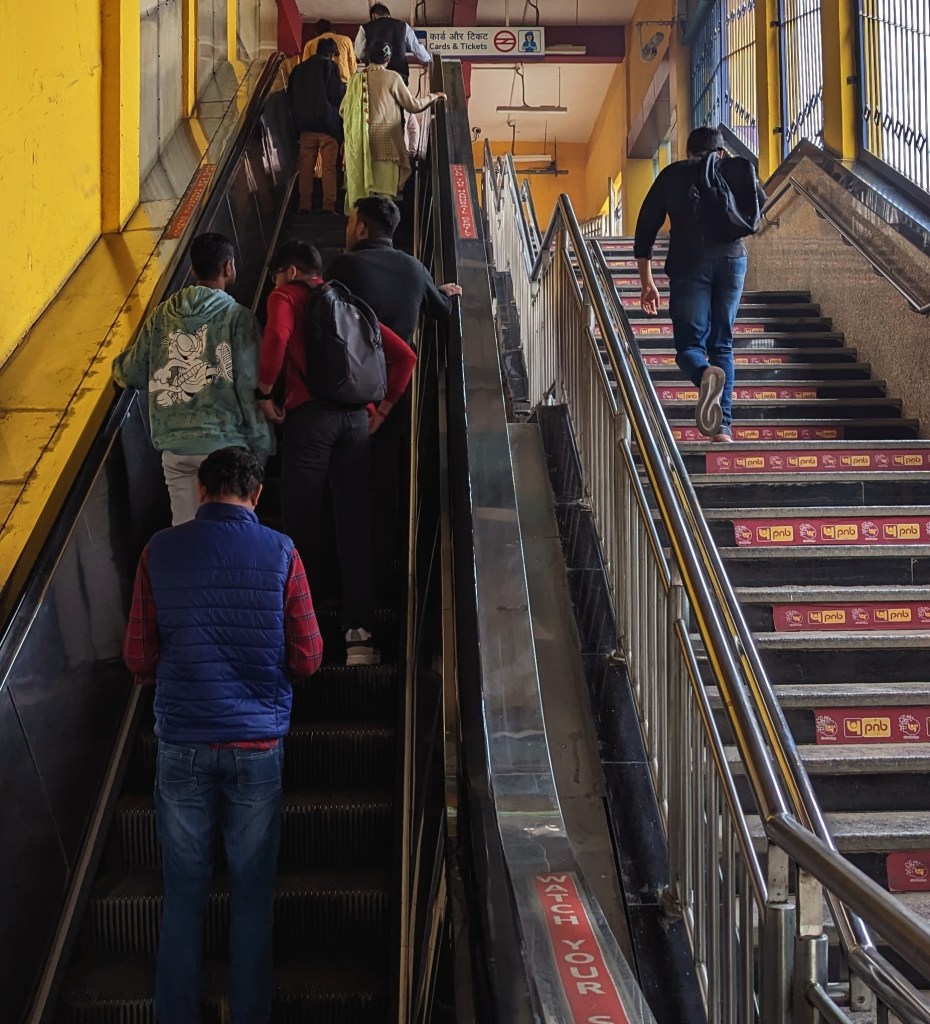
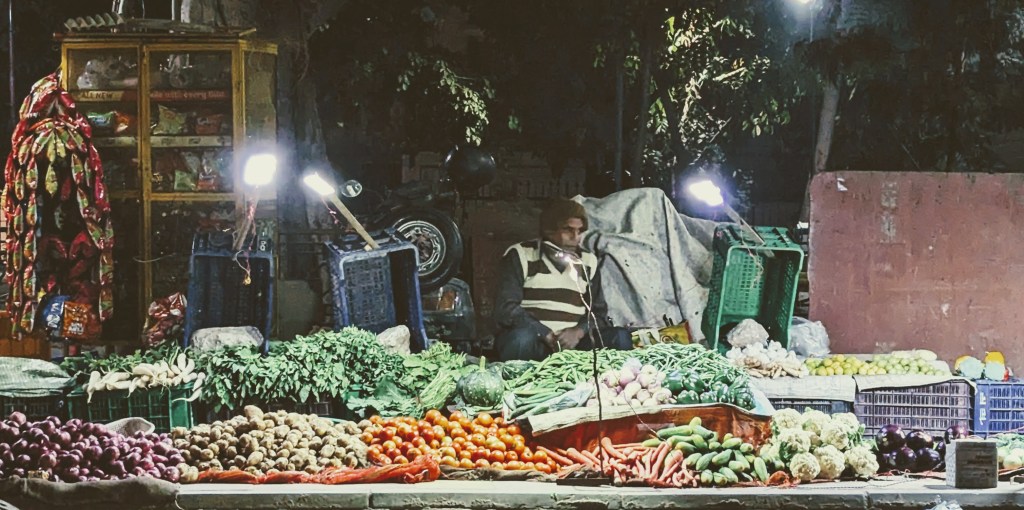
The two images above embody the essence of competition. In one image, a man is seen racing up the stairs, aiming to reach the train faster to increase his chances of securing a seat. The other image features a vegetable seller working late into the night, selling his produce. His stall is positioned at the end of the market, compelling him to stay up late to sell his produce. This is the only time when he can avoid direct competition with the other vendors who set up shop before him.
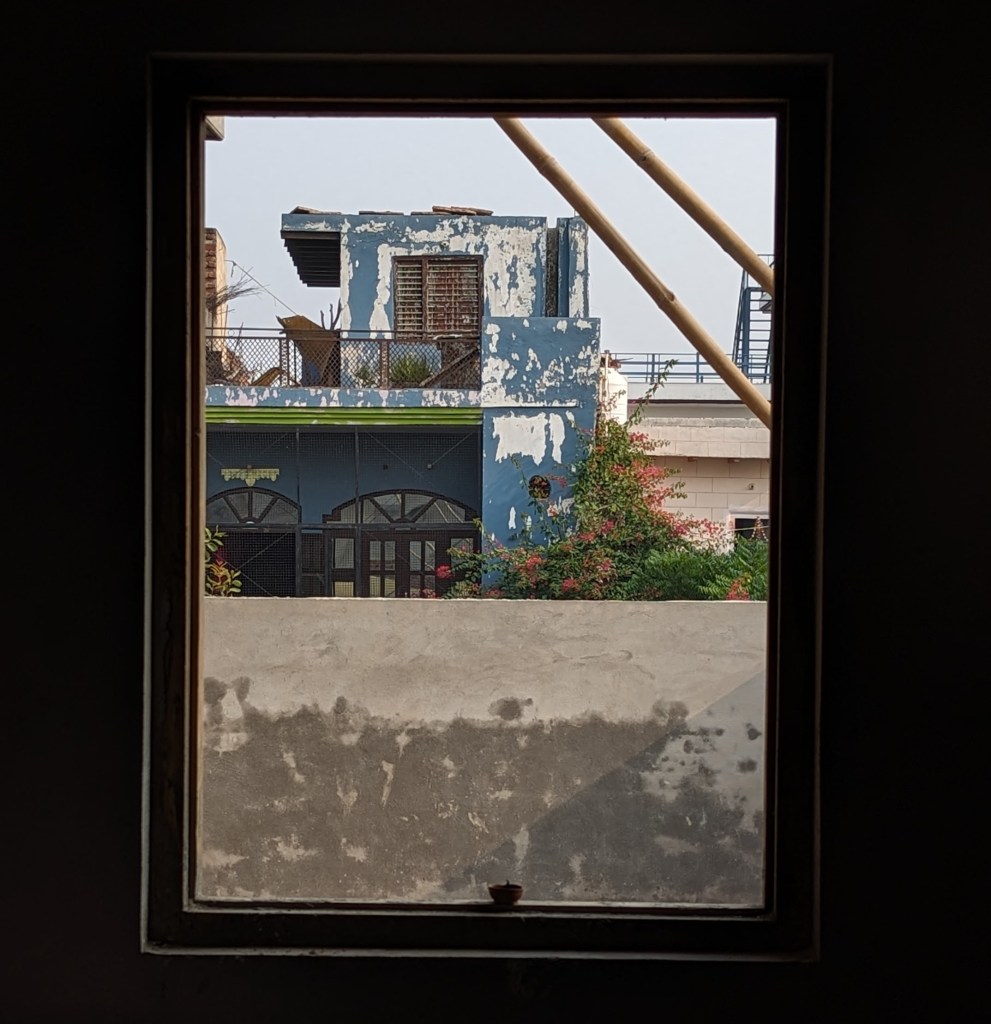
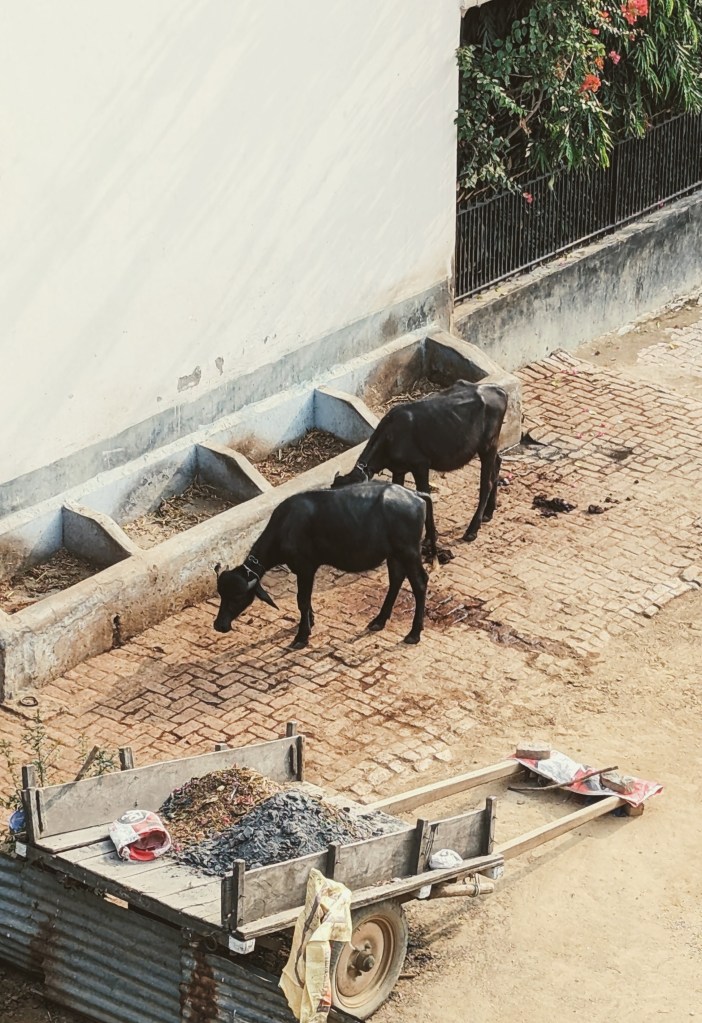
This was an interesting experience for me as a photographer. I ended up forming deep connections with many of the subjects I shot, and felt attached to some of the locations I shot in. This feature was an attempt to highlight the vicious cycle of productivity and competition that all of us are stuck in, and the unsettling reality of its inescapability.
 DoubleSpeak